Bangalore
08048890627
+919880566644
IBK Engineers Pvt Ltd

IBK Engineers Pvt Ltd

about-cover-bg image
About IBK Engineers Pvt Ltd

The Best GENERAL in bangalore

Products
Featured Products

What We Do

68179d65be22ee500d53ff54 Card 2

product image
Pisco Pneumatic

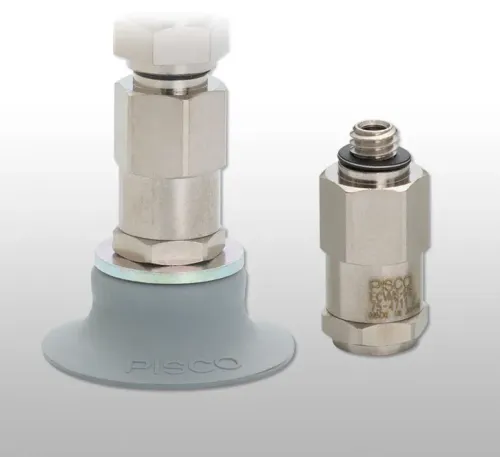
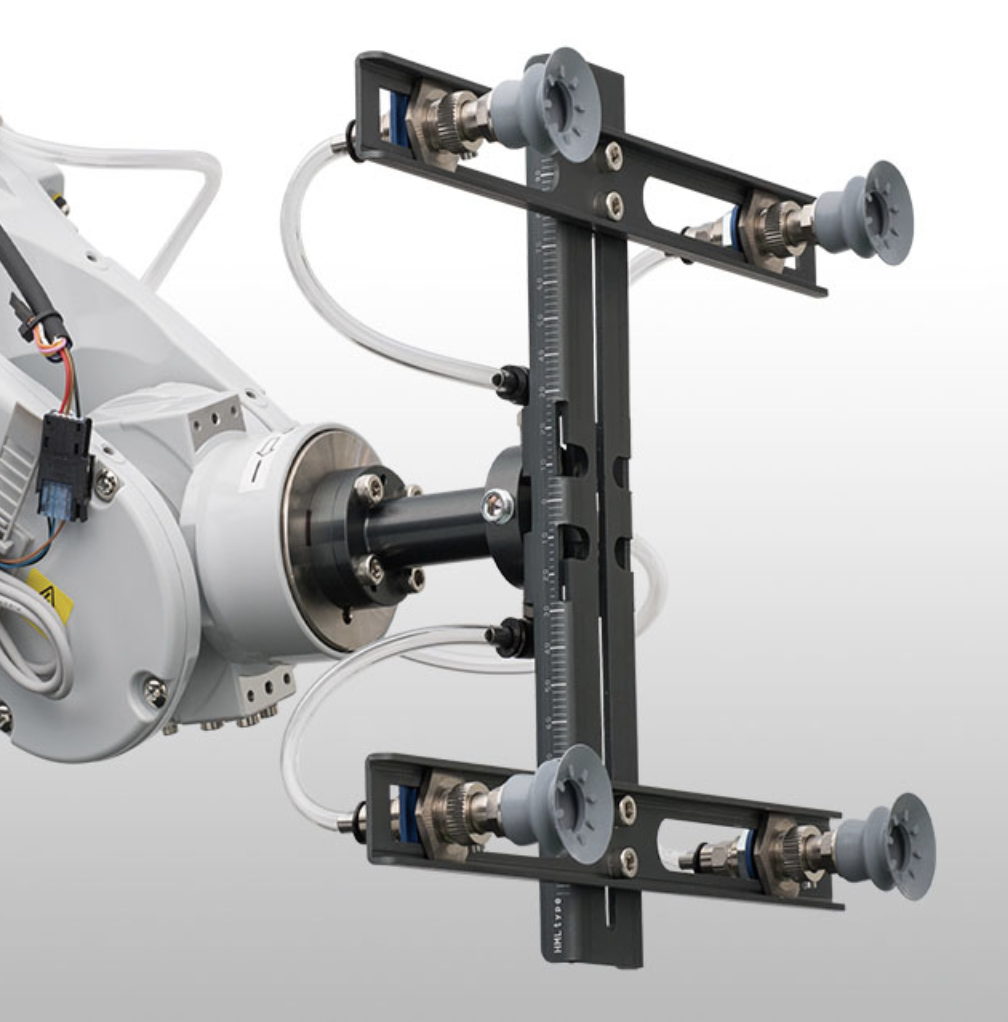
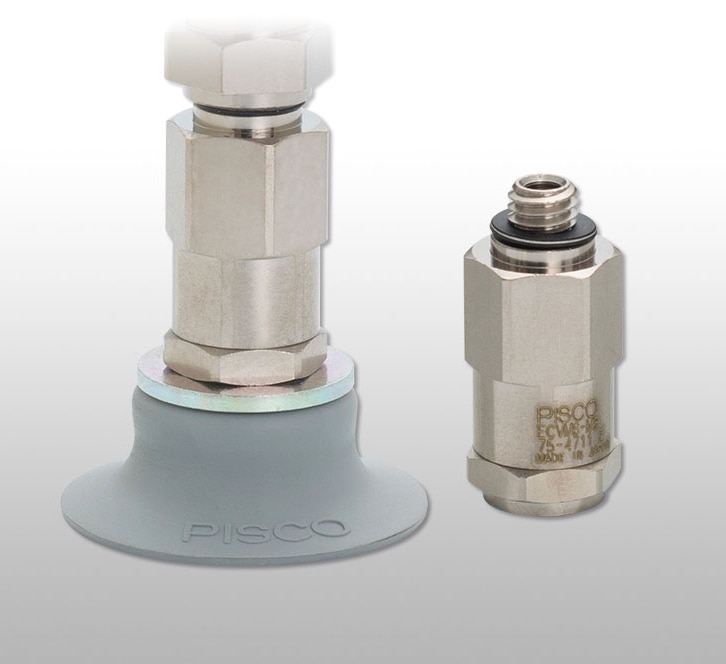
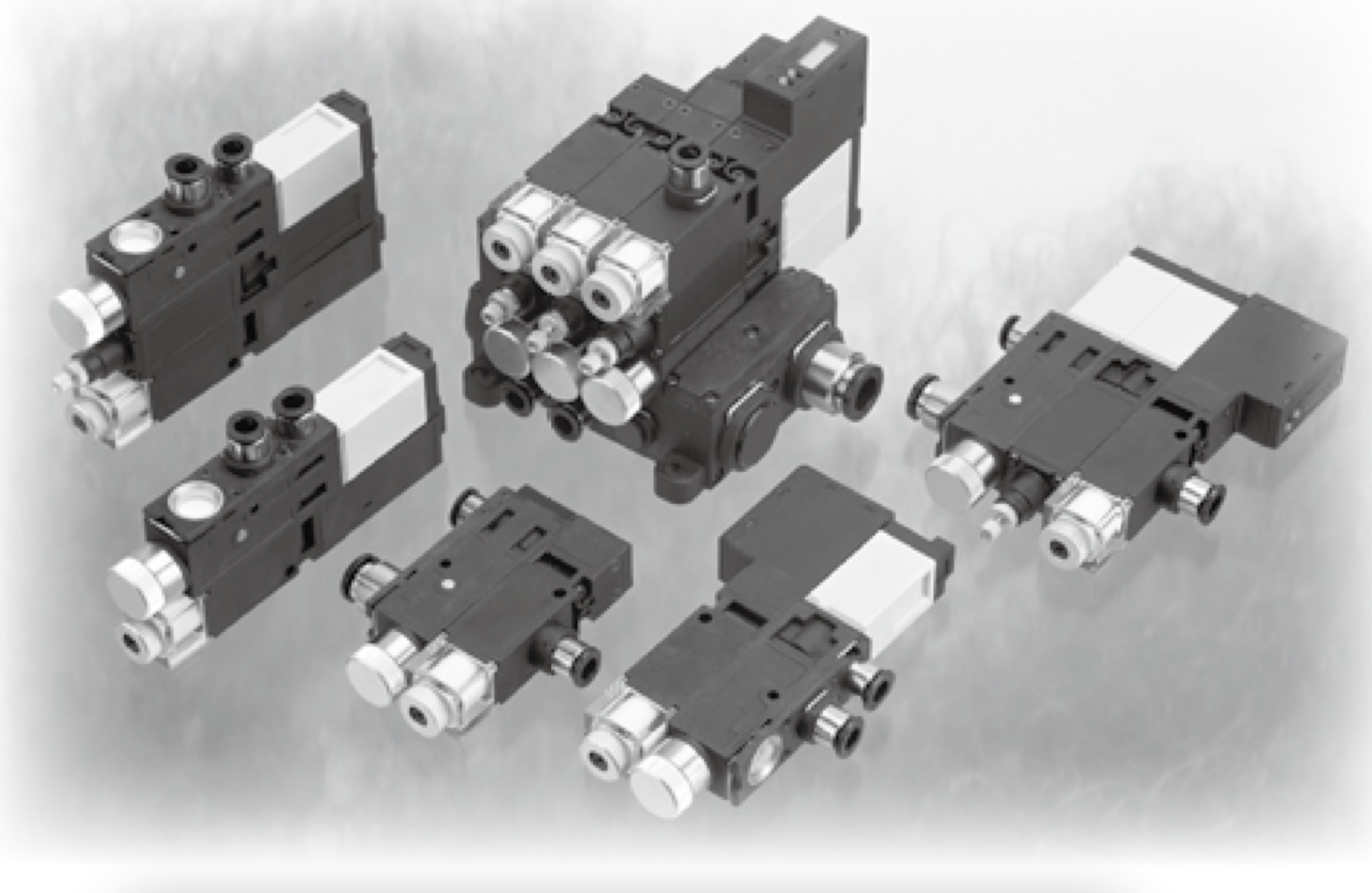
Vacuum Suction Cups Supplier: Complete Guide for Industrial Purchase, Design, and Maintenance Introduction In modern manufacturing and automation, vacuum suction cups play a crucial role in material handling, robotics, packaging, and assembly lines. Industrial buyers, design engineers, and maintenance professionals increasingly depend on reliable vacuum suction cups suppliers to ensure productivity, safety, and consistent performance in automated processes. Vacuum suction cups are essential components used with vacuum generators or pumps to grip, lift, and move objects without mechanical clamps. They are widely applied in industries such as electronics, automotive manufacturing, logistics, packaging, food processing, and pharmaceuticals. Selecting the right vacuum suction cups supplier is critical for companies seeking durability, performance, and cost efficiency in their automation systems. This comprehensive guide explains how vacuum suction cups work, how to select the right supplier, key design considerations, purchasing strategies, and maintenance best practices for industrial applications. What Are Vacuum Suction Cups? Vacuum suction cups are end-of-arm tooling (EOAT) components used in vacuum handling systems. They operate using negative pressure created by vacuum pumps or ejectors. When air is removed between the suction cup and the object surface, atmospheric pressure pushes the cup firmly against the object, creating a strong gripping force. The vacuum difference between internal pressure and surrounding atmospheric pressure generates the holding force that allows machines or robots to lift and move objects safely. Key Components of a Vacuum Handling System A typical industrial vacuum handling system consists of: Vacuum suction cup Vacuum generator or vacuum pump Tubing and fittings Vacuum sensors or gauges Mounting brackets and connectors These components work together to create a reliable material-handling solution widely used in factory automation. Why Industrial Companies Need Reliable Vacuum Suction Cups Suppliers For industrial buyers and automation integrators, choosing the right supplier ensures: 1. Consistent Quality Industrial suction cups must maintain reliable grip strength during continuous operation. Poor-quality products may lead to product drops, machine downtime, and production losses. 2. Wide Product Range A good supplier provides multiple types of suction cups for different surfaces and materials, including: Flat suction cups Bellows suction cups Foam suction cups Oval suction cups Deep suction cups 3. Technical Support Engineering teams require guidance on selecting the correct cup size, material, and vacuum system configuration. 4. Custom Automation Solutions OEMs and automation integrators often need customized vacuum grippers or complete vacuum handling systems. Industrial Applications of Vacuum Suction Cups Vacuum suction cups are widely used across multiple industries because they allow non-damaging handling of delicate products. 1. Robotics and Automation Industrial robots frequently use suction cups for pick-and-place operations. The system enables robots to grab, transfer, orient, and place components accurately during production. Applications include: Electronics assembly PCB handling Smartphone manufacturing Semiconductor handling 2. Packaging Industry In packaging automation, suction cups are used for: Carton handling Bottle loading Case packing Label placement Vacuum systems help increase speed and accuracy in packaging operations. 3. Automotive Manufacturing Automotive factories use vacuum suction cups for handling: Car body panels Glass windshields Interior components Metal sheets The technology ensures smooth and scratch-free handling. 4. Logistics and Warehouse Automation Automated warehouses use suction cups to move: Cartons Packages Plastic containers Paper rolls This improves warehouse efficiency and reduces manual labor. 5. CNC Machine Automation Vacuum suction cups automate loading and unloading of parts in CNC machining centers, improving operator safety and productivity. Types of Vacuum Suction Cups Used in Industry Selecting the correct type of suction cup depends on workpiece material, shape, and surface conditions. 1. Flat Vacuum Cups Best suited for: Smooth surfaces Glass Metal sheets Plastic panels These cups provide strong holding force for flat objects. 2. Bellows Vacuum Cups Bellows cups offer flexibility and shock absorption, making them ideal for: Irregular surfaces Height variations Automated packaging 3. Foam Vacuum Cups Foam cups are used for: Rough surfaces Wood panels Cardboard boxes They can handle porous materials with better sealing. 4. Oval Vacuum Cups Oval cups are designed for narrow surfaces such as: Long cartons Profiled components Small parts handling

68179d65be22ee500d53ff54 Card 2

product image
Pisco Pneumatic

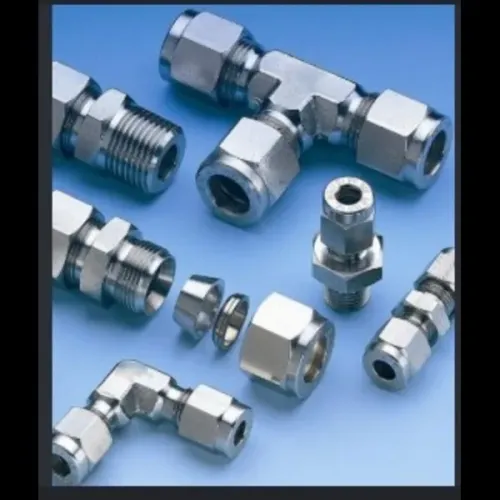
Stainless Steel 316 Fittings: Complete Industrial Guide for Purchase, Design, and Maintenance In modern industrial engineering, selecting the right piping components is essential for safety, efficiency, and long-term reliability. Among the most widely used materials in industrial piping systems are Stainless Steel 316 fittings, known for their excellent corrosion resistance, durability, and hygienic properties. These fittings play a critical role in industries such as chemical processing, pharmaceuticals, food manufacturing, oil & gas, and water treatment. For industrial buyers, plant designers, and maintenance engineers, understanding the properties, applications, design considerations, and maintenance requirements of Stainless Steel 316 fittings is crucial for building reliable piping systems. This detailed guide explains everything about SS 316 fittings—from material properties and types to procurement strategies and maintenance practices—while following SEO and EEAT (Experience, Expertise, Authoritativeness, Trustworthiness) principles. What Are Stainless Steel 316 Fittings? Stainless Steel 316 fittings are piping components manufactured from grade 316 stainless steel, an austenitic alloy containing chromium, nickel, and molybdenum. These elements improve corrosion resistance, especially in chloride or saline environments. The addition of 2–3% molybdenum significantly enhances resistance to pitting and crevice corrosion compared with standard stainless steel grades like 304. These fittings are widely used in process piping to connect pipes, change direction, control flow, or connect different equipment within an industrial system. Typical fittings include: Elbows (45°, 90°, 180°) Tees Reducers Couplings Caps Nipples Stub ends Cross fittings Instrumentation tube fittings These components are manufactured according to international standards

68179d65be22ee500d53ff54 Card 2

product image
Pisco Pneumatic

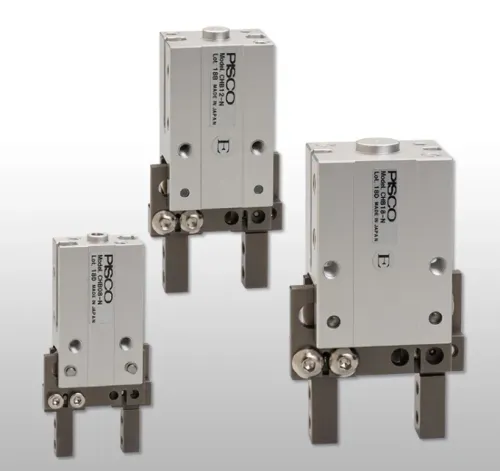
Pneumatic Fittings: The Backbone of Reliable Automation in OEM, Robotics, and Industrial Systems In modern industrial automation, even the smallest component can determine the reliability of an entire system. Pneumatic fittings are one such critical component. These connectors ensure leak-free, efficient air flow between pneumatic tubes, valves, cylinders, vacuum generators, and other automation devices. For OEM manufacturers, design engineers, maintenance teams, and industrial owners, choosing the right pneumatic fitting directly impacts machine performance, safety, and long-term operational cost. What Are Pneumatic Fittings? Pneumatic fittings are connectors used to join compressed air lines in pneumatic systems. They connect tubes, hoses, valves, actuators, regulators, and vacuum equipment. These fittings are designed to provide secure connections that prevent air leakage while allowing easy installation and maintenance. Common materials include brass, nickel-plated brass, stainless steel, and engineering plastic, depending on the application environment. In automation industries, push-in fittings are widely used because they enable quick installation without special tools. Why Pneumatic Fittings Are Critical in Automation In industries such as robotics, electronics manufacturing, packaging, automotive assembly, and machine building, compressed air systems operate continuously. A poor-quality pneumatic fitting can lead to air leakage, pressure loss, and production downtime. High-quality pneumatic fittings provide: Leak-free connections for stable air pressure Fast installation during machine assembly Easy maintenance during servicing Compact design for modern automation equipment Long service life in harsh industrial environments For OEM machine builders, selecting the right fittings ensures machines meet global quality and reliability standards. Types of Pneumatic Fittings Used in Industry Industrial pneumatic systems use several types of fittings depending on machine design and tubing layout. 1. Push-in Fittings The most common fittings used in automation. They allow quick tube insertion and secure locking. 2. Elbow Fittings Used when air tubes must change direction, especially in compact machines or robot arms. 3. Tee Fittings These fittings split airflow into two directions and are often used in multi-cylinder automation systems. 4. Straight Connectors Used to extend pneumatic tubing lines or connect two tubes together. 5. Bulkhead Fittings Designed to pass air lines through panels or machine frames.

Case Studies

Checkout Our Projects

3

SKILLED STAFF

OUR EXPERT STAFF

Our expert team members

Our Staff
team-image

Varshitha

sales executive

team-image

Kavya

sales executive

team-image

Varshitha

sales executive

Image Gallery

Pictures That Speak

Have any custom requirements?

Testimonials
testimonial image

The product is good and get in the cheapest price compare to other company. Lowest price is there for Bosch power tools ...

Read More