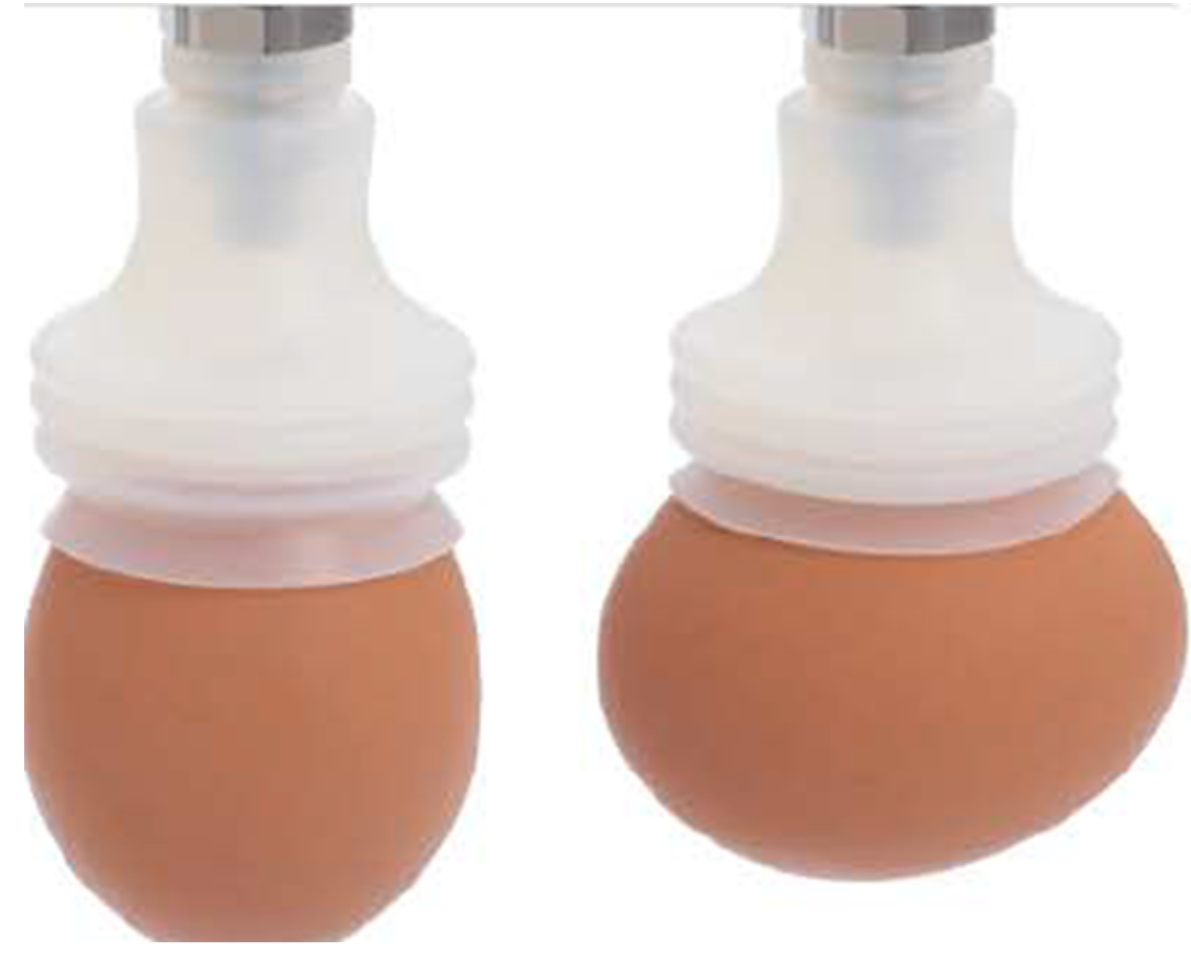
In the high-speed world of modern manufacturing, the “hand“ at the end of a robotic arm is often the most critical component. Vacuum suction cups have become the industry standard for material handling, offering a blend of speed, precision, and gentleness that mechanical grippers often lack Bangalore.
Whether you are automating a secondary packaging line or deploying a collaborative robot (cobot), understanding the nuances of suction technology is vital for maintaining in your operational standards.
1. How Vacuum Suction Cups Work
At its core, vacuum handling relies on the pressure difference between the atmospheric pressure outside the cup and the low-pressure zone inside it. When a vacuum generator (like an ejector or pump) evacuates air from the cup, the ambient air pressure pushes the workpiece against the seal.
The lifting force (F) can be calculated using:
F=A×ΔP×η
Where:
A is the effective area of the suction cup.
ΔP is the difference between atmospheric and system pressure.
η is the safety factor (typically 2 for horizontal and 4 for vertical lifts).
2. Specialized Cups for Packaging Automation
Packaging presents unique challenges: porous cardboard, thin plastic films, and varying weights. Choosing the right cup prevents “drops“ and ensures the longevity of the equipment.
Flat vs. Bellows Cups
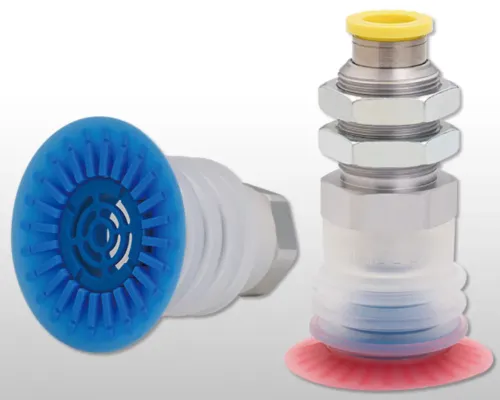
Flat Suction Cups: Ideal for flat, smooth surfaces like glass or sheet metal. They offer high stability and can handle high acceleration.
Bellows Suction Cups: Featuring 1.5 to 3.5 “folds, “ these act like a spring. They are essential for uneven surfaces, fragile items (like eggs or electronics), or when you need to compensate for height differences in a stack of boxes.
Material Matters
NBR (Nitrile): Best for oily environments.
Silicone: FDA-approved for direct food contact and high-temperature resistance.
Polyurethane: Highly wear-resistant for abrasive surfaces like raw cardboard.
3. Vacuum Suction Cups for Robotics
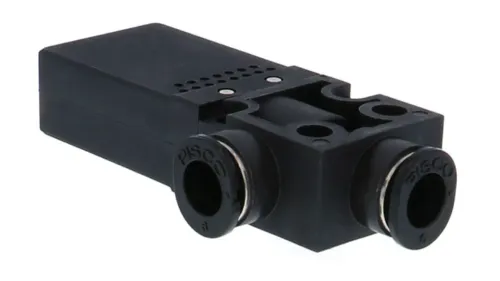
Robotic integration requires lightweight and modular vacuum systems. With the rise of End-of-Arm Tooling (EoAT), suction cups are now paired with smart sensors that detect “Part Present“ or “Vacuum Leak, “ allowing the robot to adjust its path in real-time.
Pick-and-Place: High-speed cycles require cups with “cleats“ (internal ribs) to prevent the workpiece from slipping during rapid lateral movements.
Cobot Compatibility: For robots working alongside humans, vacuum systems are often preferred over pneumatic clamps because they lack “pinch points, “ increasing workplace safety.
4. Critical Factors for Success
To ensure your vacuum system is authoritative and reliable, consider these three pillars of performance:
5. Maintenance: Extending the Life of Your Tooling
Suction cups are “wear parts.“ Over time, the lips can fray or the material can lose its elasticity.
Daily Inspection: Check for cracks or debris buildup.
Filter Checks: Ensure vacuum filters are clean to prevent dust from reaching the vacuum generator.
Proper Sizing: Using a cup that is too small for the load leads to “material fatigue, “ causing the cup to fail prematurely.
Conclusion
Vacuum suction cups are the unsung heroes of the packaging and robotics sectors. By matching the cup geometry and material to your specific application, you reduce downtime and protect your product integrity.
Would you like me to generate a technical specification table comparing different suction cup materials (like Silicone vs. Viton) for your specific industry?