Thank you for writing to us. One of our executive will reach back to you through your submitted medium. In case there’s an urgency, feel free to connect over WhatsApp for faster response.
Prefer calling? Dial +9108048073496 (International callers) or 08048073496 (Indian callers).
Gemini said
High-Performance Vacuum Suction Cups: The Heart of Robotic Automation
In the world of high-speed packaging, the smallest component often carries the heaviest load. Vacuum suction cups are the critical interface between a robotic arm and the product, determining the speed, safety, and reliability of an entire production line.
Precision Engineering for Packaging
Whether you are handling porous cardboard, flexible pouches, or delicate glass, selecting the right material is paramount.
Silicone: Ideal for extreme temperatures and food-grade applications.
Nitrile (NBR): The workhorse for oily environments or heavy-duty wear.
Polyurethane: Offers maximum tear resistance for high-friction movements.
Optimizing Robotic Efficiency
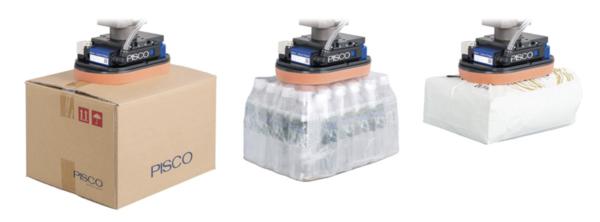
Modern vacuum suction cups for robots are designed to minimize “cycle time.“ Using bellows-style cups provides a “lifting“ effect that compensates for height differences and uneven surfaces, while flat cups offer the stability needed for high-acceleration “pick and place“ tasks.
+1
Why EEAT Matters in Vacuum Technology
When sourcing industrial components, Experience and Expertise are non-negotiable. Using sub-standard cups leads to “drop incidents,“ increasing downtime and cost. Leading manufacturers now integrate sensing technology directly into the vacuum manifold to provide real-time feedback on seal integrity.
Vacuum Suction Cups Supplier: Complete Guide for Industrial Purchase, Design, and Maintenance
Introduction
In modern manufacturing and automation, vacuum suction cups play a crucial role in material handling, robotics, packaging, and assembly lines. Industrial buyers, design engineers, and maintenance professionals increasingly depend on reliable vacuum suction cups suppliers to ensure productivity, safety, and consistent performance in automated processes.
Vacuum suction cups are essential components used with vacuum generators or pumps to grip, lift, and move objects without mechanical clamps. They are widely applied in industries such as electronics, automotive manufacturing, logistics, packaging, food processing, and pharmaceuticals.
Selecting the right vacuum suction cups supplier is critical for companies seeking durability, performance, and cost efficiency in their automation systems. This comprehensive guide explains how vacuum suction cups work, how to select the right supplier, key design considerations, purchasing strategies, and maintenance best practices for industrial applications.
What Are Vacuum Suction Cups?
Vacuum suction cups are end-of-arm tooling (EOAT) components used in vacuum handling systems. They operate using negative pressure created by vacuum pumps or ejectors. When air is removed between the suction cup and the object surface, atmospheric pressure pushes the cup firmly against the object, creating a strong gripping force.
The vacuum difference between internal pressure and surrounding atmospheric pressure generates the holding force that allows machines or robots to lift and move objects safely.
Key Components of a Vacuum Handling System
A typical industrial vacuum handling system consists of:
Vacuum suction cup
Vacuum generator or vacuum pump
Tubing and fittings
Vacuum sensors or gauges
Mounting brackets and connectors
These components work together to create a reliable material-handling solution widely used in factory automation.
Why Industrial Companies Need Reliable Vacuum Suction Cups Suppliers
For industrial buyers and automation integrators, choosing the right supplier ensures:
1. Consistent Quality
Industrial suction cups must maintain reliable grip strength during continuous operation. Poor-quality products may lead to product drops, machine downtime, and production losses.
2. Wide Product Range
A good supplier provides multiple types of suction cups for different surfaces and materials, including:
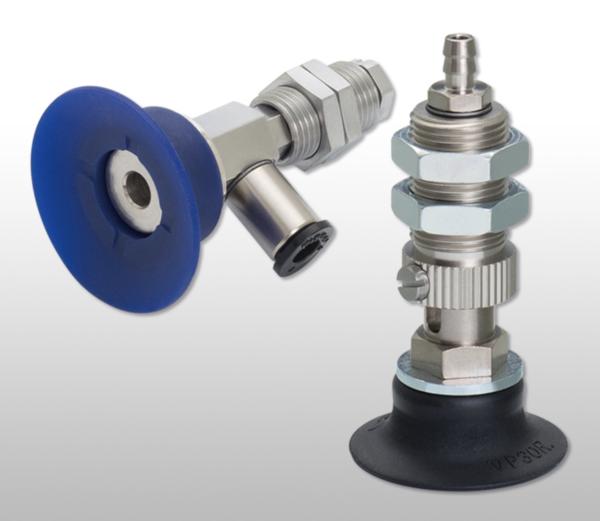
Flat suction cups
Bellows suction cups
Foam suction cups
Oval suction cups
Deep suction cups
3. Technical Support
Engineering teams require guidance on selecting the correct cup size, material, and vacuum system configuration.
4. Custom Automation Solutions
OEMs and automation integrators often need customized vacuum grippers or complete vacuum handling systems.
Industrial Applications of Vacuum Suction Cups
Vacuum suction cups are widely used across multiple industries because they allow non-damaging handling of delicate products.
1. Robotics and Automation
Industrial robots frequently use suction cups for pick-and-place operations. The system enables robots to grab, transfer, orient, and place components accurately during production.
Applications include:
Electronics assembly
PCB handling
Smartphone manufacturing
Semiconductor handling
2. Packaging Industry
In packaging automation, suction cups are used for:
Carton handling
Bottle loading
Case packing
Label placement
Vacuum systems help increase speed and accuracy in packaging operations.
3. Automotive Manufacturing
Automotive factories use vacuum suction cups for handling:
Car body panels
Glass windshields
Interior components
Metal sheets
The technology ensures smooth and scratch-free handling.
4. Logistics and Warehouse Automation
Automated warehouses use suction cups to move:
Cartons
Packages
Plastic containers
Paper rolls
This improves warehouse efficiency and reduces manual labor.
5. CNC Machine Automation
Vacuum suction cups automate loading and unloading of parts in CNC machining centers, improving operator safety and productivity.
Types of Vacuum Suction Cups Used in Industry
Selecting the correct type of suction cup depends on workpiece material, shape, and surface conditions.
1. Flat Vacuum Cups
Best suited for:
Smooth surfaces
Glass
Metal sheets
Plastic panels
These cups provide strong holding force for flat objects.
2. Bellows Vacuum Cups
Bellows cups offer flexibility and shock absorption, making them ideal for:
Irregular surfaces
Height variations
Automated packaging
3. Foam Vacuum Cups
Foam cups are used for:
Rough surfaces
Wood panels
Cardboard boxes
They can handle porous materials with better sealing.
4. Oval Vacuum Cups
Oval cups are designed for narrow surfaces such as:
Long cartons
Profiled components
Small parts handling
Vacuum Suction Cups for Automation: A Practical Guide for Engineers and Maintenance Teams
In modern automated manufacturing, vacuum suction cups are essential end-of-arm tooling components used in material handling, robotics, and pick-and-place systems. Selecting the right suction cup and maintaining it properly can significantly improve system reliability, throughput, and product quality.
What Are Vacuum Suction Cups?
Vacuum suction cups are flexible sealing elements that use negative pressure to grip and lift objects. They are typically mounted on robotic arms, gantry systems, or vacuum lifters and connected to a vacuum generator (pump or venturi). When air is evacuated from beneath the cup, the resulting pressure differential creates a grip on the workpiece surface.
Key Design Considerations
1. Material Compatibility
Suction cups are made from elastomers such as NBR (nitrile), silicone, EPDM, and PU.
NBR: Good general-purpose choice—oil and abrasion resistant.
Silicone: Excellent for high-temperature applications and delicate surfaces.
EPDM: Weather and ozone resistant—ideal for outdoor or humid environments.
PU: Long life in abrasive applications.
Design engineers should match material properties to surface type, temperature range, and chemical exposure.
2. Shape and Geometry
The shape affects seal performance and adaptability:
Flat cups: Best for smooth, flat surfaces.
Bellows cups: Provide flexibility for uneven or angled surfaces.
Oval/rectangular cups: Useful for long or odd-shaped parts.
Correct geometry ensures maximal contact area and stable grip force.
3. Size and Surface Contact
Suction cup diameter influences holding force:
Larger cups increase force but require more vacuum volume.
Small cups are faster to actuate and ideal for rapid cycles.
Engineers must balance force needs against system vacuum capacity.
Integration with Automation Systems
Vacuum cups must be integrated with:
Vacuum generators (electric or pneumatic)
Vacuum sensors and switches (for presence detection)
Flow control valves (for precise control in multi-cup arrays)
Proper control and feedback ensure repeatable pick-and-place performance and reduce cycle times.
Maintenance Best Practices
Routine maintenance extends suction cup life and prevents downtime:
Inspect for wear and tear: Replace cups showing cuts, tears, or deformation.
Clean surfaces regularly: Dust and debris reduce seal quality and holding force.
Check vacuum levels: Use sensors to verify adequate vacuum and detect leaks.
Monitor cycle counts: Replace cups proactively based on usage cycles.
Common Failure Modes
Air leaks around the seal due to dirt or wear
Material degradation from heat, chemicals, or UV exposure
Loss of grip force due to improper sizing or vacuum supply limitations
Conclusion
Vacuum suction cups are simple in concept but critical in automation. Right selection, correct integration, and consistent maintenance ensure high productivity and reduced unplanned downtime. For engineers and maintenance teams alike, understanding suction cup behaviour and limitations is key to robust automated handling systems.
Vacuum Generators for Automation: A Practical Guide for Design & Maintenance Engineers
Vacuum generators play a critical role in modern industrial automation, especially in pick-and-place systems, robotic handling, packaging, CNC loading, and material transfer. By converting compressed air into vacuum, these compact devices enable fast, reliable, and energy-efficient gripping without complex mechanical systems.
What Is a Vacuum Generator?
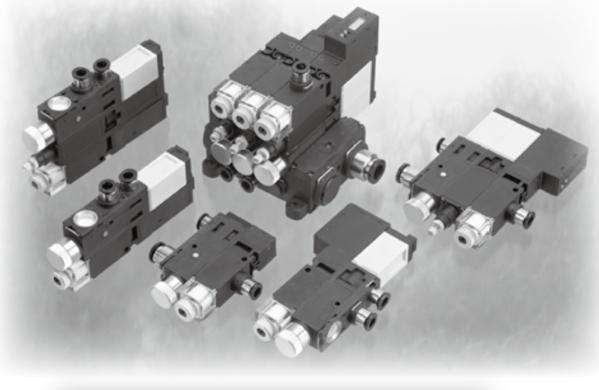
A vacuum generator (also called an ejector) uses the Venturi principle to create vacuum. When compressed air passes through a specially designed nozzle, it accelerates and creates a low-pressure zone, which generates suction. This vacuum is then used with suction cups or vacuum pads to lift, hold, or move objects.
Compared to vacuum pumps, vacuum generators are lighter, faster, and maintenance-friendly, making them ideal for decentralized automation setups.
Key Advantages in Automation Systems
For design engineers, vacuum generators offer several important benefits:
Compact design: Easily integrated close to the point of use, reducing vacuum loss.
Fast response time: Ideal for high-cycle robotic and packaging applications.
Scalability: One generator per suction cup or zone for better control.
No moving parts: Higher reliability and longer service life.
For maintenance engineers, these features translate into fewer breakdowns, simple troubleshooting, and minimal downtime.
Selection Criteria for Design Engineers
Choosing the right vacuum generator is essential for system efficiency:
Air consumption vs. vacuum flow: Optimize to reduce compressed air costs.
Vacuum level: Higher vacuum is needed for smooth or airtight materials like glass or metal sheets.
Integrated functions: Models with built-in vacuum switches, blow-off, or silencers simplify system design.
Material compatibility: Aluminum, resin, or stainless steel options for food, pharma, or corrosive environments.
Proper sizing at the design stage prevents energy wastage and ensures consistent performance.
Maintenance & Reliability Considerations
From a maintenance perspective, vacuum generators are easy to manage:
Minimal wear parts: No motors or rotating elements.
Clog-resistant designs: Built-in filters protect against dust and debris.
Quick replacement: Plug-and-play fittings reduce service time.
Predictive maintenance: Vacuum sensors help detect leaks or suction loss early.
Regular inspection of air quality, filters, and suction cups significantly improves system uptime.
Typical Industrial Applications
Vacuum generators are widely used across industries:
Packaging and carton handling
Automotive body and component handling
Electronics and PCB assembly
Sheet metal and glass handling
Plastic injection molding part removal
Their flexibility makes them suitable for both light and heavy automation tasks.
Conclusion
Vacuum generators are a smart choice for automation engineers looking for efficient, compact, and reliable vacuum solutions. With correct selection and basic maintenance practices, they deliver long service life, energy savings, and high system productivity. For both design and maintenance teams, vacuum generators simplify automation while ensuring consistent and precise material handling.
Vacuum Ejectors for Automation: A Complete Guide for Engineers in India
In industrial automation, vacuum technology plays a critical role in material handling, packaging, robotics, and pick-and-place systems. Among various components, the vacuum ejector is one of the most reliable, compact, and energy-efficient solutions for generating vacuum pressure without requiring bulky pumps.
For engineers and purchasing professionals in India, understanding the types, working principles, design considerations, and applications of vacuum ejectors can help in choosing the right product for high-performance automation systems.
1. What is a Vacuum Ejector?
A vacuum ejector, also known as a venturi ejector, uses compressed air to generate vacuum. It works on the Venturi principle, where air flow through a narrowing nozzle causes a pressure drop, creating suction. This vacuum can then be used to grip, lift, or transport workpieces via suction cups or vacuum grippers.
Advantages of vacuum ejectors:
Compact and lightweight design.
No moving parts → low maintenance and long service life.
Fast response time, ideal for robotic and automated processes.
Easy integration with suction cups, filters, and sensors.
Cost-effective compared to large vacuum pumps.
2. Types of Vacuum Ejectors
Engineers should consider different designs of ejectors to match their application needs:
Single-Stage Ejectors
Working: One nozzle generates vacuum.
Advantages: Compact, lightweight, inexpensive.
Applications: Small pick-and-place units, lightweight material handling.
Multi-Stage Ejectors
Working: Multiple nozzles arranged in series to increase vacuum efficiency.
Advantages: Higher flow rate, better performance at lower air consumption.
Applications: Handling porous materials (wood, textiles, foam), packaging, automotive assembly.
Inline Ejectors
Design: Integrated directly into the vacuum line.
Advantages: Saves space, reduces tubing length, minimizes leakage.
Applications: Robotics, end-of-arm tooling, compact automation systems.
Cartridge Ejectors
Design: Modular, can be embedded in custom manifolds or tooling.
Advantages: Flexible design, multiple ejectors in one block, efficient for large systems.
Applications: Electronics assembly, packaging lines, multi-cup systems.
3. Key Design Features Engineers Should Consider
When selecting a vacuum ejector, engineers must evaluate:
Air Consumption: Efficiency depends on compressed air usage. Low consumption = lower operating costs.
Vacuum Level: Deeper vacuum levels are needed for non-porous or heavy objects.
Evacuation Speed: Determines how quickly the ejector reaches required vacuum levels.
Noise Levels: Consider silencers or low-noise models for worker safety.
Control Options: Models with built-in solenoid valves and sensors allow smarter control in automated systems.
Mounting Flexibility: Inline, manifold, or modular options depending on space availability.
4. System Components with Vacuum Ejectors
A reliable automation setup requires more than just an ejector. A complete vacuum system typically includes:
Vacuum Suction Cups: For gripping surfaces of various shapes and textures.
Filters: Prevent dust and debris from entering ejectors.
Vacuum Switches & Sensors: For monitoring vacuum levels in real-time.
Tubing & Connectors: Ensure minimal leakage and stable suction.
5. Applications of Vacuum Ejectors in Indian Industries
Vacuum ejectors are widely used across industries in India, especially in automation-driven manufacturing units:
Automotive: Handling sheet metal, glass, dashboards, and bumpers.
Electronics: Pick-and-place for circuit boards and delicate parts.
Food & Beverage: Hygienic handling of packaged goods, bottles, and cartons.
Pharmaceuticals: Blister packaging, sterile material handling.
Logistics & E-commerce: Carton packing, labeling, robotic sorting.
6. Why Vacuum Ejectors are Preferred in Automation
Low maintenance: No moving parts reduce breakdown risks.
Energy efficiency: Modern multi-stage ejectors optimize compressed air usage.
Flexibility: Suitable for both centralized and decentralized vacuum systems.
Compact integration: Perfect for robotic arms and end-of-arm tooling in cobots and industrial robots.
7. Vacuum Ejector Suppliers and Dealers in India
Engineers and buyers in India can source high-quality vacuum ejectors from trusted dealers, distributors, and exporters specializing in pneumatic automation products. Brands like Pisco, SMC, Schmalz, Piab, Festo, and Bosch Rexroth are widely available through authorized suppliers.
When sourcing, always check for:
After-sales support and spare availability.
Compatibility with suction cups and fittings.
Technical consultation for system design.
Conclusion
Vacuum ejectors are a vital component in automation systems, offering engineers in India a cost-effective, compact, and efficient solution for creating a vacuum. By understanding the material handling requirements,
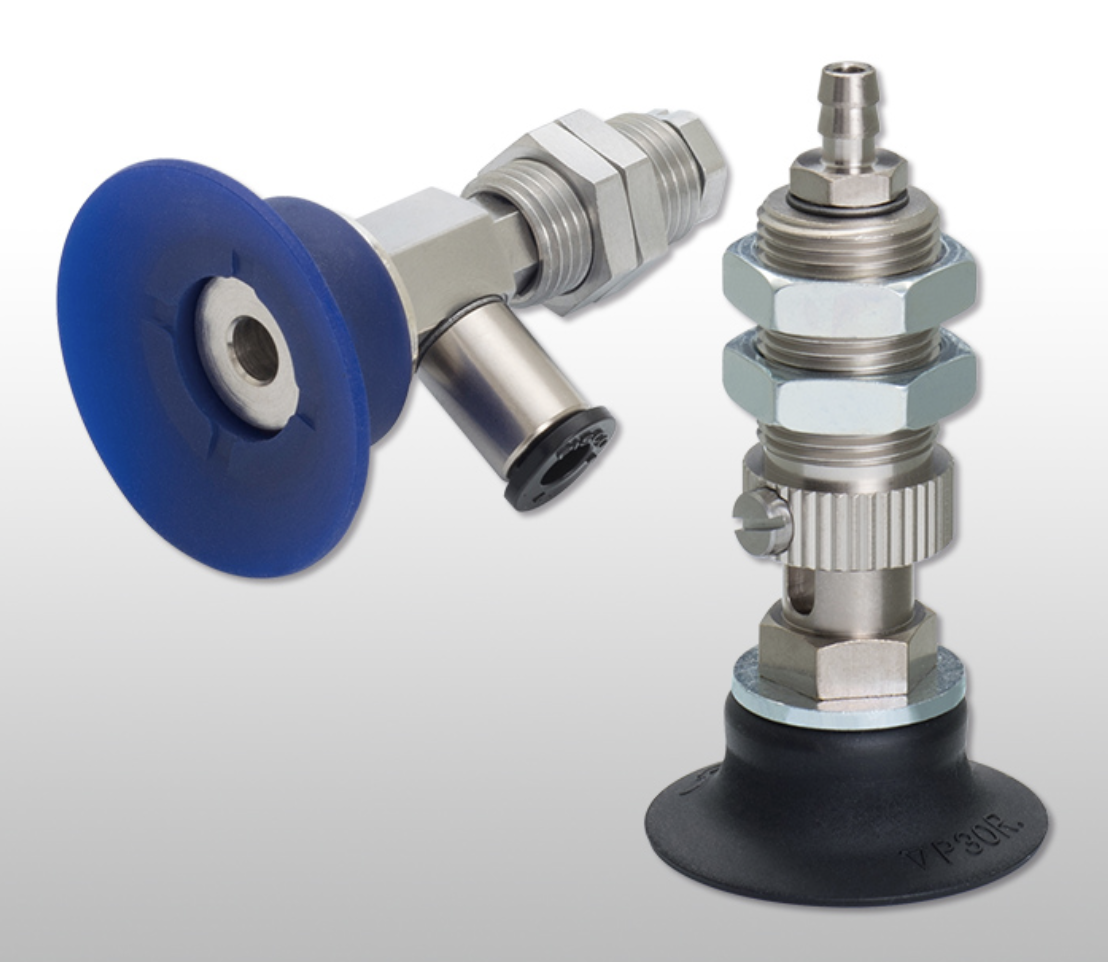
Robot Suction Cups and Soft Grippers – Pisco Brand
In modern automation and robotics, precision, speed, and adaptability are crucial. As industries in India advance towards Industry 4.0, the need for reliable robotic end-of-arm tooling (EOAT) has become more critical than ever. One of the most trusted names in this field is Pisco, a global leader in pneumatic components. Through IBK Engineers Pvt Ltd, an authorized distributor of Pisco in India, machine builders and end-users now have easy access to high-quality suction cups and soft grippers tailored for diverse industrial applications.
What Are Robot Suction Cups and Soft Grippers?
Suction cups are vacuum-based devices commonly used in pick-and-place automation systems. They adhere to flat or slightly curved surfaces using vacuum pressure, allowing robots to lift, move, and position items efficiently. Pisco suction cups are available in various materials like silicone, urethane, and NBR, depending on the application and type of surface.
Soft grippers, on the other hand, are flexible, adaptive gripping tools that mimic the human hand's ability to conform to irregular shapes. They are ideal for handling delicate or variable-shaped objects, such as food items, medical components, or electronics. Pisco’s soft grippers offer gentle handling with reliable grip force, reducing product damage and increasing yield.
Conclusion
Whether you're automating your production line or building a new robotic cell, Pisco suction cups and soft grippers distributed by IBK Engineers in India offer a reliable, efficient, and safe handling solution. Contact IBK Engineers to experience world-class Japanese quality, backed by local service and expertise.
Suction Cups for Packaging Automation
Packaging lines are notorious for high cycle speeds and dusty environments. When selecting cups for this sector, consider:
Porosity Handling: Cardboard is naturally porous. To maintain a grip, you need high-flow vacuum generators or cups with specialized foam seals.
Food Safety: If the cup touches raw or packaged food, it must be FDA-compliant and often “detectable“ (impregnated with metal fragments) so it can be caught by X-ray scanners if a piece breaks off.
High-Speed Stability: In “delta“ style picking robots, the cup must resist lateral forces to prevent the product from swinging or dropping during rapid directional changes.
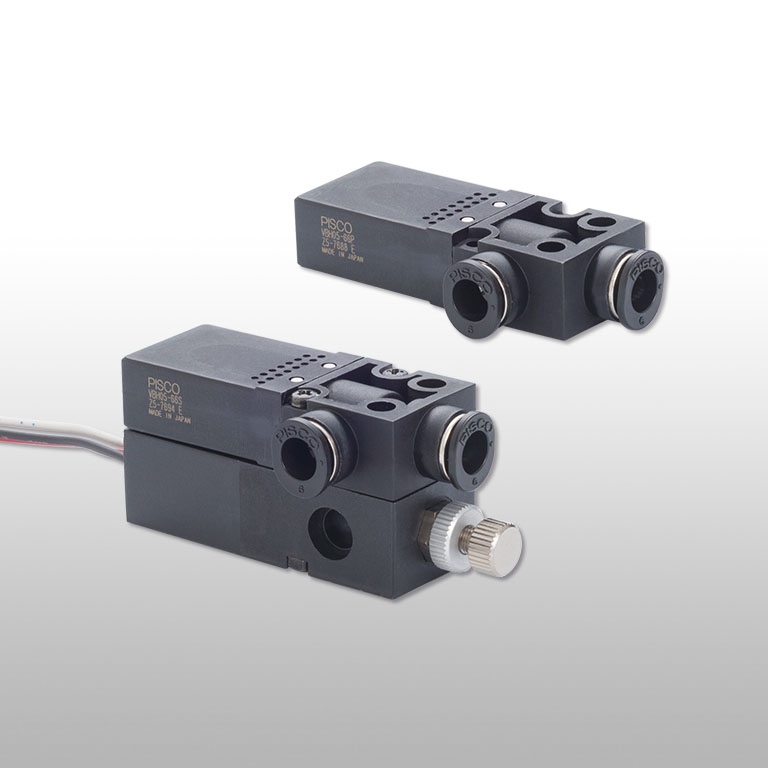
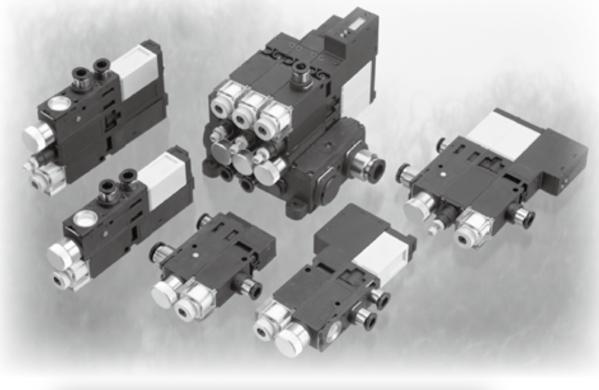
The PISCO Japan VBH12-66P Vacuum Generator VB is a high-performance pneumatic vacuum generator engineered for industrial automation and material handling applications. Designed for reliability and compact installation, this model converts compressed air into a powerful vacuum source, enabling efficient gripping, conveying, and positioning in pick-and-place systems.
With a suction flow of approximately 38 L/min (ANR) and a maximum vacuum of around -93 kPa, the VBH12-66P delivers strong vacuum performance at moderate supply pressures (0.15–0.7 MPa). It features 6 mm ports for both vacuum and air supply, making it compatible with standard pneumatic tubing in automation lines.
This unit’s compact, lightweight design (~18 g) supports installation directly between solenoid valves and vacuum pads without bulky hardware. Its construction using PBT resin and brass with nickel plating ensures durability under continuous use, while RoHS2 compliance reinforces its suitability for modern automated systems.
Engineers will appreciate the availability of CAD data from the manufacturer for seamless integration into system designs, aiding rapid prototyping and accurate layout planning.
Ideal for packaging, assembly, and semiconductor handling, the VBH12-66P is a dependable vacuum generator that balances performance with ease of installation and long-term reliability. You can call IBK Engineers Pvt Ltd in India
End of Arm Tooling (EOAT) for Robotic Arms
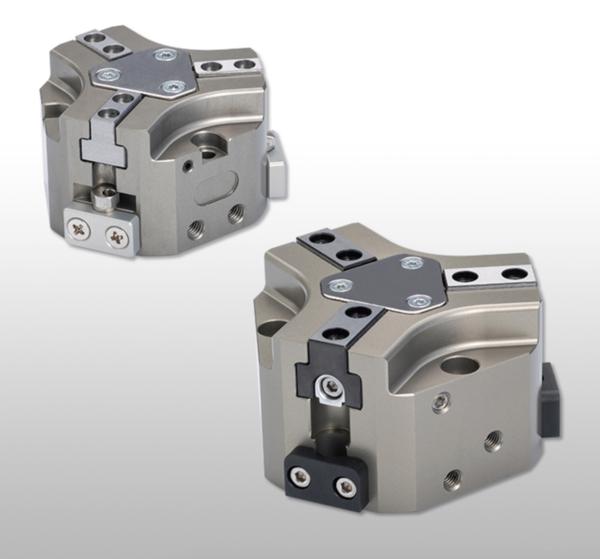
End of Arm Tooling (EOAT) refers to the devices mounted at the wrist of a robotic arm that enable the robot to interact with a workpiece. EOAT is a critical element in robotic automation, as overall system performance, accuracy, and reliability depend heavily on correct EOAT design and selection.
For design engineers, EOAT must be selected based on payload, part geometry, cycle time, and process requirements. Common EOAT types include mechanical grippers, vacuum suction cups, magnetic grippers, welding guns, dispensing nozzles, and tool changers. Lightweight yet rigid construction is essential to minimize inertia and improve robot speed and positioning accuracy. Materials such as aluminum alloys, stainless steel, and engineering plastics are widely used to balance strength and weight. Modular EOAT designs are preferred, as they allow quick changes and future process flexibility.
In applications like pick-and-place, assembly, packaging, and machine tending, vacuum EOAT offers gentle handling of delicate parts, while mechanical grippers provide higher gripping force and repeatability. Tool changers allow a single robot to perform multiple operations, increasing overall equipment effectiveness (OEE).
From a maintenance perspective, EOAT should be designed for easy access and quick replacement of wear parts such as seals, suction cups, fingers, and sensors. Standardized fittings, push-in pneumatic connections, and quick-release mechanisms reduce downtime during servicing. Regular inspection of hoses, vacuum lines, fasteners, and sensors ensures consistent performance and prevents unexpected failures.
Proper EOAT selection and maintenance directly impact robot uptime, product quality, and safety. By integrating robust EOAT design with preventive maintenance practices, manufacturers can maximize the efficiency, flexibility, and long-term reliability of robotic automation systems.
Pisco Pneumatic
Still searching for material vacuum cups?
Bus Terminal Rd, Saina Purwa, Cooperganj, Kanpur, Uttar Pradesh 208004, India

 Chat with us
 Chat with us