Vijayawada
08048128418
+919880566644

Items tagged with 'festo air preparation units india'

68179d65be22ee500d53ff54 Card 2

product image
Pisco Pneumatic

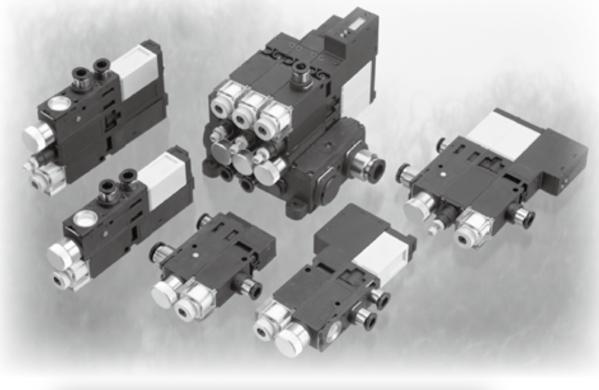
Vacuum Ejectors for Automation: A Complete Guide for Engineers in India In industrial automation, vacuum technology plays a critical role in material handling, packaging, robotics, and pick-and-place systems. Among various components, the vacuum ejector is one of the most reliable, compact, and energy-efficient solutions for generating vacuum pressure without requiring bulky pumps. For engineers and purchasing professionals in India, understanding the types, working principles, design considerations, and applications of vacuum ejectors can help in choosing the right product for high-performance automation systems. 1. What is a Vacuum Ejector? A vacuum ejector, also known as a venturi ejector, uses compressed air to generate vacuum. It works on the Venturi principle, where air flow through a narrowing nozzle causes a pressure drop, creating suction. This vacuum can then be used to grip, lift, or transport workpieces via suction cups or vacuum grippers. Advantages of vacuum ejectors: Compact and lightweight design. No moving parts → low maintenance and long service life. Fast response time, ideal for robotic and automated processes. Easy integration with suction cups, filters, and sensors. Cost-effective compared to large vacuum pumps. 2. Types of Vacuum Ejectors Engineers should consider different designs of ejectors to match their application needs: Single-Stage Ejectors Working: One nozzle generates vacuum. Advantages: Compact, lightweight, inexpensive. Applications: Small pick-and-place units, lightweight material handling. Multi-Stage Ejectors Working: Multiple nozzles arranged in series to increase vacuum efficiency. Advantages: Higher flow rate, better performance at lower air consumption. Applications: Handling porous materials (wood, textiles, foam), packaging, automotive assembly. Inline Ejectors Design: Integrated directly into the vacuum line. Advantages: Saves space, reduces tubing length, minimizes leakage. Applications: Robotics, end-of-arm tooling, compact automation systems. Cartridge Ejectors Design: Modular, can be embedded in custom manifolds or tooling. Advantages: Flexible design, multiple ejectors in one block, efficient for large systems. Applications: Electronics assembly, packaging lines, multi-cup systems. 3. Key Design Features Engineers Should Consider When selecting a vacuum ejector, engineers must evaluate: Air Consumption: Efficiency depends on compressed air usage. Low consumption = lower operating costs. Vacuum Level: Deeper vacuum levels are needed for non-porous or heavy objects. Evacuation Speed: Determines how quickly the ejector reaches required vacuum levels. Noise Levels: Consider silencers or low-noise models for worker safety. Control Options: Models with built-in solenoid valves and sensors allow smarter control in automated systems. Mounting Flexibility: Inline, manifold, or modular options depending on space availability. 4. System Components with Vacuum Ejectors A reliable automation setup requires more than just an ejector. A complete vacuum system typically includes: Vacuum Suction Cups: For gripping surfaces of various shapes and textures. Filters: Prevent dust and debris from entering ejectors. Vacuum Switches & Sensors: For monitoring vacuum levels in real-time. Tubing & Connectors: Ensure minimal leakage and stable suction. 5. Applications of Vacuum Ejectors in Indian Industries Vacuum ejectors are widely used across industries in India, especially in automation-driven manufacturing units: Automotive: Handling sheet metal, glass, dashboards, and bumpers. Electronics: Pick-and-place for circuit boards and delicate parts. Food & Beverage: Hygienic handling of packaged goods, bottles, and cartons. Pharmaceuticals: Blister packaging, sterile material handling. Logistics & E-commerce: Carton packing, labeling, robotic sorting. 6. Why Vacuum Ejectors are Preferred in Automation Low maintenance: No moving parts reduce breakdown risks. Energy efficiency: Modern multi-stage ejectors optimize compressed air usage. Flexibility: Suitable for both centralized and decentralized vacuum systems. Compact integration: Perfect for robotic arms and end-of-arm tooling in cobots and industrial robots. 7. Vacuum Ejector Suppliers and Dealers in India Engineers and buyers in India can source high-quality vacuum ejectors from trusted dealers, distributors, and exporters specializing in pneumatic automation products. Brands like Pisco, SMC, Schmalz, Piab, Festo, and Bosch Rexroth are widely available through authorized suppliers. When sourcing, always check for: After-sales support and spare availability. Compatibility with suction cups and fittings. Technical consultation for system design. Conclusion Vacuum ejectors are a vital component in automation systems, offering engineers in India a cost-effective, compact, and efficient solution for creating a vacuum. By understanding the material handling requirements,

68179d65be22ee500d53ff54 Card 2

product image

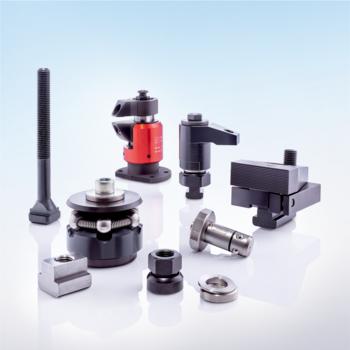
Here are some potential products related to Halder India as a brand that is frequently used. "Halder tools and equipment" "Halder clamping solutions" "Halder soft-faced hammers" "Halder torque wrenches" "Halder machine handles and knobs" "Halder industrial magnets and magnetic clamps" "Halder spring plungers and ball plungers" "Halder clamping elements and devices" "Halder lifting clamps and vacuum lifters" "Halder modular clamping systems" "Halder workpiece positioning and fixing equipment" "Halder toolholding systems and devices" "Halder toggle clamps and accessories" "Halder pneumatic clamps and devices" "Halder locating pins and bushings" "Halder adjustable clamping units" "Halder grip pliers and clamps" "Halder magnetic measuring instruments and gauges" "Halder hydraulic clamps and accessories" "Halder modular fixturing systems" Please note that these are only suggestions, and Halder's strategy may differ based on its target audience, competition, and other factors.

68179d65be22ee500d53ff54 Card 2

product image

Festo pneumatic is top brand in India. Festo Supples wide verity of Festo cylinders and Festo valves. We stock Festo tubes and Festo fittings. Festo supples ISO cylinders can be replace with any brand during maintenance. Festo customer satisfaction and supporting automation through the most advanced pneumatic technologies.

68179d65be22ee500d53ff54 Card 2

product image

We supply all Festo pneumatics product in India and Festo export. The Festo product range from Festo cylinders, Festo Valves to Festo automation for maximum productivity.

68179d65be22ee500d53ff54 Card 2

product image
Pisco Pneumatic

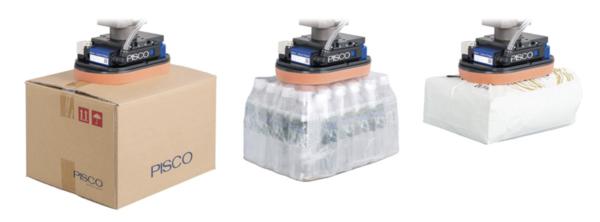
Vacuum Suction Cups Supplier: Complete Guide for Industrial Purchase, Design, and Maintenance Introduction In modern manufacturing and automation, vacuum suction cups play a crucial role in material handling, robotics, packaging, and assembly lines. Industrial buyers, design engineers, and maintenance professionals increasingly depend on reliable vacuum suction cups suppliers to ensure productivity, safety, and consistent performance in automated processes. Vacuum suction cups are essential components used with vacuum generators or pumps to grip, lift, and move objects without mechanical clamps. They are widely applied in industries such as electronics, automotive manufacturing, logistics, packaging, food processing, and pharmaceuticals. Selecting the right vacuum suction cups supplier is critical for companies seeking durability, performance, and cost efficiency in their automation systems. This comprehensive guide explains how vacuum suction cups work, how to select the right supplier, key design considerations, purchasing strategies, and maintenance best practices for industrial applications. What Are Vacuum Suction Cups? Vacuum suction cups are end-of-arm tooling (EOAT) components used in vacuum handling systems. They operate using negative pressure created by vacuum pumps or ejectors. When air is removed between the suction cup and the object surface, atmospheric pressure pushes the cup firmly against the object, creating a strong gripping force. The vacuum difference between internal pressure and surrounding atmospheric pressure generates the holding force that allows machines or robots to lift and move objects safely. Key Components of a Vacuum Handling System A typical industrial vacuum handling system consists of: Vacuum suction cup Vacuum generator or vacuum pump Tubing and fittings Vacuum sensors or gauges Mounting brackets and connectors These components work together to create a reliable material-handling solution widely used in factory automation. Why Industrial Companies Need Reliable Vacuum Suction Cups Suppliers For industrial buyers and automation integrators, choosing the right supplier ensures: 1. Consistent Quality Industrial suction cups must maintain reliable grip strength during continuous operation. Poor-quality products may lead to product drops, machine downtime, and production losses. 2. Wide Product Range A good supplier provides multiple types of suction cups for different surfaces and materials, including: Flat suction cups Bellows suction cups Foam suction cups Oval suction cups Deep suction cups 3. Technical Support Engineering teams require guidance on selecting the correct cup size, material, and vacuum system configuration. 4. Custom Automation Solutions OEMs and automation integrators often need customized vacuum grippers or complete vacuum handling systems. Industrial Applications of Vacuum Suction Cups Vacuum suction cups are widely used across multiple industries because they allow non-damaging handling of delicate products. 1. Robotics and Automation Industrial robots frequently use suction cups for pick-and-place operations. The system enables robots to grab, transfer, orient, and place components accurately during production. Applications include: Electronics assembly PCB handling Smartphone manufacturing Semiconductor handling 2. Packaging Industry In packaging automation, suction cups are used for: Carton handling Bottle loading Case packing Label placement Vacuum systems help increase speed and accuracy in packaging operations. 3. Automotive Manufacturing Automotive factories use vacuum suction cups for handling: Car body panels Glass windshields Interior components Metal sheets The technology ensures smooth and scratch-free handling. 4. Logistics and Warehouse Automation Automated warehouses use suction cups to move: Cartons Packages Plastic containers Paper rolls This improves warehouse efficiency and reduces manual labor. 5. CNC Machine Automation Vacuum suction cups automate loading and unloading of parts in CNC machining centers, improving operator safety and productivity. Types of Vacuum Suction Cups Used in Industry Selecting the correct type of suction cup depends on workpiece material, shape, and surface conditions. 1. Flat Vacuum Cups Best suited for: Smooth surfaces Glass Metal sheets Plastic panels These cups provide strong holding force for flat objects. 2. Bellows Vacuum Cups Bellows cups offer flexibility and shock absorption, making them ideal for: Irregular surfaces Height variations Automated packaging 3. Foam Vacuum Cups Foam cups are used for: Rough surfaces Wood panels Cardboard boxes They can handle porous materials with better sealing. 4. Oval Vacuum Cups Oval cups are designed for narrow surfaces such as: Long cartons Profiled components Small parts handling

68179d65be22ee500d53ff54 Card 2

product image
1000

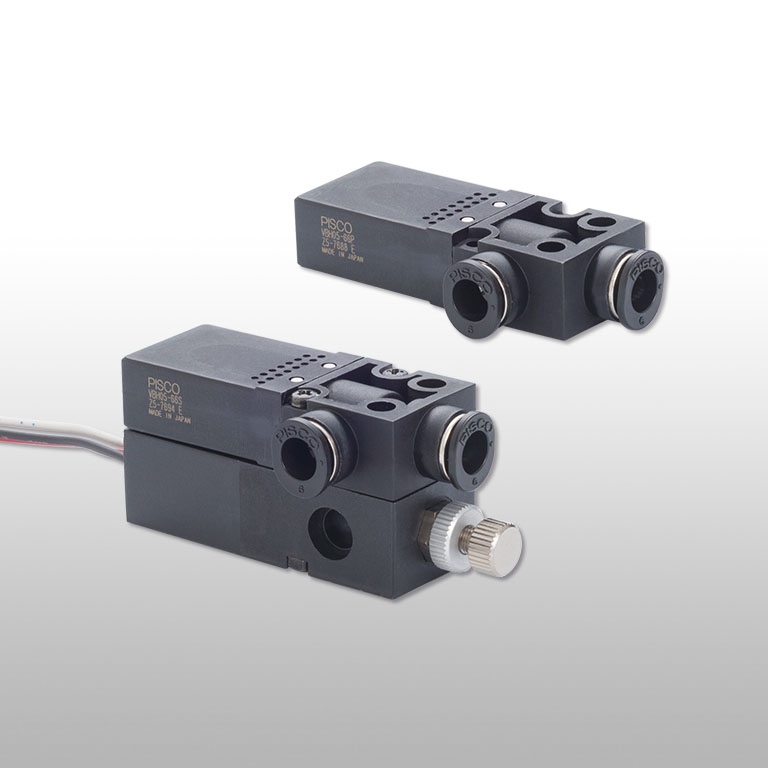
The PISCO Japan VBH12-66P Vacuum Generator VB is a high-performance pneumatic vacuum generator engineered for industrial automation and material handling applications. Designed for reliability and compact installation, this model converts compressed air into a powerful vacuum source, enabling efficient gripping, conveying, and positioning in pick-and-place systems. With a suction flow of approximately 38 L/min (ANR) and a maximum vacuum of around -93 kPa, the VBH12-66P delivers strong vacuum performance at moderate supply pressures (0.15–0.7 MPa). It features 6 mm ports for both vacuum and air supply, making it compatible with standard pneumatic tubing in automation lines. This unit’s compact, lightweight design (~18 g) supports installation directly between solenoid valves and vacuum pads without bulky hardware. Its construction using PBT resin and brass with nickel plating ensures durability under continuous use, while RoHS2 compliance reinforces its suitability for modern automated systems. Engineers will appreciate the availability of CAD data from the manufacturer for seamless integration into system designs, aiding rapid prototyping and accurate layout planning. Ideal for packaging, assembly, and semiconductor handling, the VBH12-66P is a dependable vacuum generator that balances performance with ease of installation and long-term reliability. You can call IBK Engineers Pvt Ltd in India

68179d65be22ee500d53ff54 Card 2

product image
Pisco Pneumatic

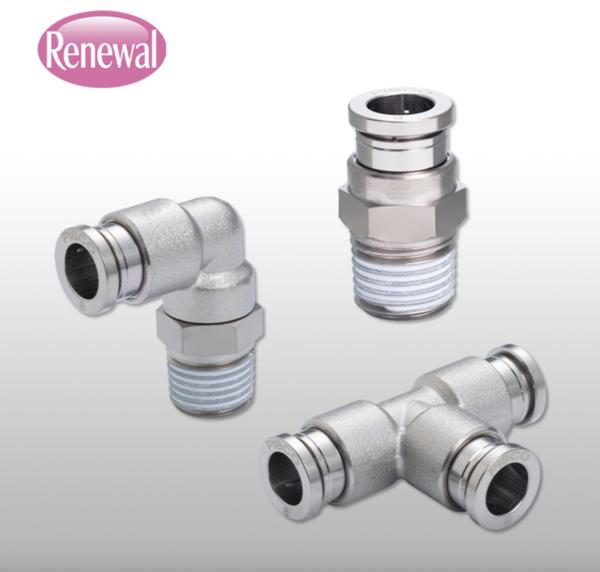
Brass Push-In Fittings – Pisco: Smart, Reliable, Low-Cost Connections for Industrial Systems In pneumatic and fluid handling systems, connection reliability and ease of service are vital. Pisco Pneumatic Straight Fitting, 8 mm x R1/8, PISCO Pneumatic Push‑to‑Connect Elbow Fitting, 6 mm x R1/8, PISCO Pneumatic Push‑to‑Connect Elbow Fitting, 6 mm x R1/4, and similar Pisco push-in fittings deliver durable, leak-proof brass construction with quick, tool-free installation — ideal for both designers and maintenance engineers. These fittings use a push-to-connect (push-in) mechanism that permanently grips pneumatic or fluid tubing (e.g., PU, nylon), creating a secure seal without threaded tools or sealants. Brass bodies, often nickel-plated, offer excellent corrosion resistance and mechanical strength compared to plastic alternatives, making them suited to heavy industrial environments such as automation lines, packaging machinery, machine tools, and pneumatic actuators. Brass fittings also tolerate higher pressures and temperature ranges, enhancing long-term reliability. For design engineers, push-in fittings simplify layout planning with compact shapes, consistent sealing, and compatibility across a broad spectrum of tube sizes and thread standards. They reduce assembly time dramatically, enabling faster prototyping and system builds. For maintenance teams, the one-touch release mechanism shortens service calls, cuts downtime, and minimizes air leakage — a common source of inefficiency in compressed air systems. Quick disconnection and re-use also reduce inventory needs and overall lifecycle cost. Pisco push-in fittings are now widely available in India through authorized distributors like IBK Engineers Pvt Ltd, with stock and support across major industrial centres including Karnataka’s Bangalore region, Pune, Hyderabad, Chennai, and beyond.

Still searching for
festo air preparation units india?