Thank you for writing to us. One of our executive will reach back to you through your submitted medium. In case there’s an urgency, feel free to connect over WhatsApp for faster response.
Prefer calling? Dial +9108048128167 (International callers) or 08048128167 (Indian callers).
What is a VU Vacuum Generator?
A Vacuum Generator VU is a compact pneumatic device (also called a vacuum ejector) designed to generate a vacuum using compressed air. It typically operates on the Venturi effect, in which high-speed air creates a pressure drop, enabling suction.
The VU series is widely used in automation for fast, reliable, and maintenance-free vacuum generation, especially in robotic handling and pick-and-place systems.
Key Features of VU Vacuum Generators
1. Compact & Lightweight Design
Ideal for robot arms and EOAT (End of Arm Tooling)
Saves installation space in automation systems
2. High Vacuum Efficiency
Optimized nozzle design ensures:
Faster vacuum response
Energy-efficient air consumption
3. Integrated Functions
Many VU units include:
Vacuum sensor (digital/analog)
Vacuum filter
Blow-off valve for quick release
4. Modular Configuration
Easy to combine multiple units for multi-point suction systems
Suitable for large surface handling
Working Principle
Compressed air enters the generator
Air passes through a narrow nozzle (Venturi section)
Velocity increases → pressure decreases
Vacuum is created at the suction port
Air exits through exhaust
Applications in Industry
Automation & Robotics
Pick-and-place robots
Packaging machines
CNC loading/unloading
Material Handling
Glass sheets
Metal plates
Plastic components
Electronics & Semiconductor
PCB handling
IC tray transfer
Food & Pharma
Bottle and can handling
Hygienic packaging operations
Advantages of VU Vacuum Generators
No moving parts → low maintenance
Fast response time → high-speed cycles
Compact size → easy integration
Energy saving designs (with vacuum switches)
Reliable for continuous industrial operation
Why VU Series is Popular in India
For automation companies and OEMs in India (especially Bangalore, Chennai, Pune), the VU series is preferred because:
Compatible with robot automation systems
Easy integration with vacuum suction cups
Reliable performance in high-speed manufacturing lines
Suitable for SMEs and large industries
Typical Use Case (Example)
Application: Aerosol can handling
Diameter: 50–52 mm
Multi-pick: 20+ cans
Requirement: Fast cycle
👉 VU generators with multi-stage ejector design + blow-off function ensure:
Strong grip
Quick release
High productivity
Conclusion
The Vacuum Generator VU is a high-performance, compact vacuum solution for modern automation. Whether used in robotics, packaging, or semiconductor handling, it delivers speed, efficiency, and reliability—making it an essential component in Industry 4.0 manufacturing setups.
Hard Chrome Plated Rod: Complete Guide for Industrial Applications in India
Introduction
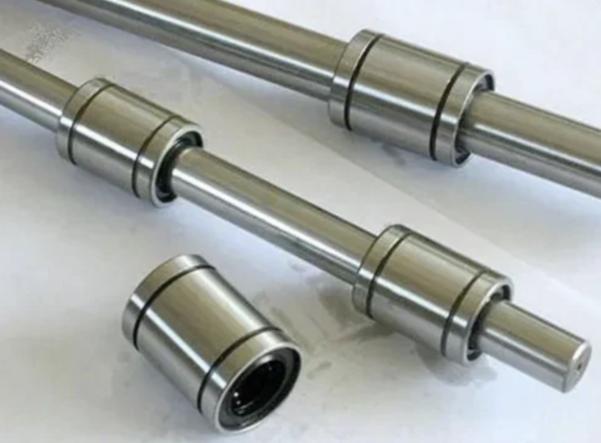
A hard chrome plated rod is a precision-engineered metal shaft coated with a layer of chromium to enhance wear resistance, corrosion protection, and surface hardness. These rods are widely used in hydraulic cylinders, pneumatic systems, automation machinery, and industrial equipment across India.
With growing demand from OEMs, automation companies, and heavy industries, hard chrome rods have become a critical component in ensuring long-lasting performance and reduced maintenance costs.
What is a Hard Chrome Plated Rod?
A hard chrome plated rod is typically manufactured from high-grade carbon steel or alloy steel, which is then coated with electroplated chromium. This process results in:
High surface hardness (typically 850–1100 HV)
Excellent resistance to abrasion and wear
Superior corrosion resistance
Smooth surface finish for precision movement
Key Features & Benefits
1. High Wear Resistance
Hard chrome plating significantly reduces friction, making the rod ideal for continuous motion applications like hydraulic cylinders.
2. Corrosion Protection
The chromium layer protects against rust, moisture, and chemicals, especially in Indian environments with varying humidity.
3. Precision Surface Finish
Mirror-like finishing ensures low friction and smooth operation, improving equipment efficiency.
4. Long Service Life
Reduced wear and corrosion lead to extended lifespan and lower replacement costs.
5. Dimensional Accuracy
Manufactured with tight tolerances, suitable for OEM and automation applications.
Technical Specifications
Typical specifications for hard chrome plated rods include:
Material: C45, SAE 1045
Diameter Range: 6 mm to 200 mm
Length: Up to 6 meters or customized
Surface Roughness: Ra ≤ 0.2 µm
Hardness: 850–1100 HV
Chrome Thickness: 20–22 microns
The manufacturing process involves:
Raw Material Selection – High-quality steel rods
Machining & Grinding – Achieving precise dimensions
Polishing – Preparing surface for plating
Electroplating – Chromium coating applied
Final Grinding & Inspection – Ensuring surface finish and tolerance
This process ensures consistent quality and durability, essential for industrial use.
How to Choose the Right Hard Chrome Rod Supplier in India (EEAT Focus)
When selecting a supplier, consider:
✅ Experience & Expertise
Choose companies with proven experience in industrial automation and hydraulic components.
✅ Quality Standards
Look for ISO-certified manufacturers with strict quality control processes.
✅ Customization Capability
Ensure the supplier can provide custom sizes, tolerances, and finishes.
✅ Availability & Support
Reliable stock availability and after-sales technical support are critical.
✅ Application Knowledge
Suppliers who understand OEM and industrial applications can recommend the best solutions.
Why Hard Chrome Rods Are Essential for Indian Industries
India’s industrial sector demands components that can withstand:
High load conditions
Dust and harsh environments
Continuous operation cycles
Hard chrome plated rods meet these challenges by offering strength, durability, and cost-efficiency, making them indispensable in modern manufacturing.
Key Perodcuts
Hard chrome plated rod India
Chrome plated piston rod suppliers
Hydraulic cylinder rod manufacturers India
Industrial chrome rod price India
EN8D chrome plated rod suppliers Bangalore
Precision chrome shaft for automation
Conclusion
A hard chrome plated rod is a vital component for industries seeking high performance, durability, and precision. Whether used in hydraulic systems, automation equipment, or heavy machinery, these rods ensure smooth operation and long-term reliability.
Roller Chain for Industrial Use: Complete Guide
What is a Roller Chain?
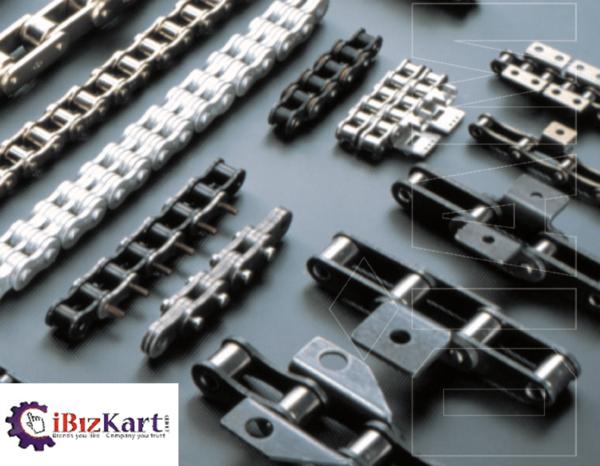
A roller chain is a type of mechanical power transmission component widely used in industrial machinery to transfer motion and load between rotating shafts. It consists of a series of interconnected links with rollers that engage with sprockets, ensuring smooth and efficient movement.
Types of Roller Chains Used in Industry
1. Standard Roller Chains
Used in general machinery and conveyors
Available in simplex, duplex, and triplex configurations
2. Heavy-Duty Roller Chains
Designed for high-load applications
Used in mining, cement, and steel industries
3. Stainless Steel Roller Chains
Corrosion-resistant
Ideal for food processing, pharmaceuticals, and chemical industries
4. Agricultural Roller Chains
Built for dusty and rugged environments
Common in tractors and harvesting equipment
Key Components of a Roller Chain
Inner Plates & Outer Plates – Provide structural strength
Pins – Hold the links together
Bushings – Reduce friction between moving parts
Rollers – Engage with sprockets for smooth motion
Advantages of Roller Chains in Industrial Applications
✔ High Efficiency
Roller chains offer up to 98% transmission efficiency, making them ideal for power transmission.
✔ Durability
Built with hardened steel, they withstand heavy loads and harsh conditions.
✔ Low Maintenance
With proper lubrication, roller chains require minimal upkeep.
✔ Cost-Effective
Compared to belts or gears, chains provide longer service life at lower cost.
Industrial Applications of Roller Chains
Conveyor Systems – Material handling in factories
Packaging Machinery – High-speed operations
Automobile Industry – Assembly line movement
Cement & Steel Plants – Heavy-duty operations
Agriculture Equipment – Harvesters and tractors
How to Select the Right Roller Chain
1. Load Capacity
Choose based on the maximum working load and shock conditions.
2. Speed Requirements
High-speed applications require precision chains with lubrication.
3. Environmental Conditions
Corrosive → Stainless steel
Dusty → Sealed or heavy-duty chains
4. Chain Pitch & Size
Ensure compatibility with sprocket size and machine design.
Maintenance Tips for Longer Life
Regular lubrication reduces wear and friction
Maintain proper chain tension and alignment
Inspect for elongation and wear
Replace worn sprockets along with chains
Frequently Asked Questions (AEO Optimized)
What is the lifespan of a roller chain?
With proper maintenance, a roller chain can last 2–5 years or more, depending on usage and environment.
Which industries use roller chains?
Roller chains are widely used in manufacturing, automotive, agriculture, food processing, and mining industries.
What is the difference between simplex and duplex chains?
Simplex: Single strand for light-duty
Duplex: Double strand for higher load capacity
How do I know when to replace a roller chain?
Replace when there is excessive elongation, noise, vibration, or visible wear.
Why Choose High-Quality Roller Chains?
At IBK Engineers and leading industrial suppliers, high-quality roller chains are sourced from trusted manufacturers and tested for:
Precision engineering standards
Material strength and heat treatment
Performance under Indian industrial conditions
This ensures reliability, safety, and long-term cost savings for OEMs and industrial buyers.
Conclusion
Roller chains are a critical component in industrial automation and machinery, offering unmatched durability, efficiency, and cost-effectiveness. Selecting the right type and maintaining it properly can significantly enhance productivity and reduce downtime.

 Chat with us
 Chat with us