Noida
08048060868
+919880566644

Items tagged with 'official dealer network pneumatic fittings'

68179d65be22ee500d53ff54 Card 2

product image
Pisco Pneumatic

Cleanroom-Ready Pneumatics Components from Pisco: A Guide for Engineers and Maintenance Teams In advanced automation systems—particularly in semiconductor, pharmaceutical, biotech, electronics, and precision assembly sectors—pneumatic components must meet stringent cleanliness, reliability, and performance standards. Pisco, a globally recognized Japanese manufacturer, offers cleanroom-ready pneumatic components engineered to support these demanding environments with excellent integration into robotic systems and automated production lines. Cleanroom-ready variants of Pisco components, including fittings, tubing, and connectors, are manufactured, pre-cleaned, and packaged under controlled conditions to minimize particulate generation and contamination. These components are ideal for ISO-classified cleanrooms or environments where even minute contamination can disrupt processes or damage products. Critical elements include ultra-clean polyurethane and nylon tubes designed for minimal abrasion and outgassing—an important factor for equipment exposed to high-precision robotic handling or vacuum systems. This controlled purity ensures smooth airflow, reduced downtime from contamination, and easier lifecycle maintenance for engineers. For fluid and air distribution, high-quality cleanroom-package fittings such as Pisco PC4‑02 Pneumatic Straight Fitting and PISCO Pneumatic Elbow Connector PL4‑M5 offer compact, leak-resistant connections that simplify machine layout and reduce service time. Advanced flow control valves like Pisco JSC6‑M5A Pneumatic Speed Controller help tune actuator motion precisely—critical for robot end-of-arm tooling and synchronized motion in assembly cells. Additional options such as Pisco Pneumatic Branch Tee and Pisco JSC4‑M5A Pneumatic Speed Controller allow flexible network designs that support modular system upgrades. For design engineers, these cleanroom-ready components mean predictable performance, easier integration with PLC-based controls, and reduced lifecycle costs. Maintenance teams benefit from quick-connect design features, leak-proof joints, and standardized modules, which significantly cut down replacement times and unscheduled downtime. Together, these characteristics make Pisco’s cleanroom pneumatic portfolio a strong choice for modern robotic and automated systems requiring ultra-clean, reliable pneumatic solutions.

68179d65be22ee500d53ff54 Card 2

product image
Pisco Pneumatic

Brass High-Pressure Push-In Fittings Now Available in India Technical Perspectives on Die Design, Die Maintenance & Injection Molding Benefits Push-in fittings have long been integral components of pneumatic, fluid handling, and automation systems. With Brass High-Pressure Push-In Fittings now becoming available in India, design engineers and production teams have a powerful new option that combines strength, reliability, and ease of assembly. This article explores the technical aspects of integrating these fittings into plastic part production—specifically in relation to die design, die maintenance, and injection molding processes—along with the core benefits of brass high-pressure push-in fittings. 1. Introduction to Brass High-Pressure Push-In Fittings Push-in fittings are connectors that allow tubes and hoses to be connected to pneumatic or fluid systems without the need for threaded or clamped joints. Traditional push-in fittings are often made from composite or lower-grade metals. Brass high-pressure variants, by contrast, bring enhanced strength and durability, especially suitable for heavy duty industrial applications requiring elevated operating pressures and frequent connect/disconnect cycles. 2. Relevance to Die Design & Injection Molding When designing dies and injection molded parts that incorporate fluid or pneumatic connections, engineers must consider multiple factors: 2.1 Compact & Precise Integration High-pressure brass push-in fittings are compact and standardized, making them easier to integrate into molded parts without redesigning entire manifolds. In applications such as: Pneumatic manifold blocks Multi-port fluid panels Automated actuator interfaces these fittings help maintain tight dimensional tolerances in molded parts. 2.2 Material Compatibility During injection molding, design engineers often encounter issues related to material shrinkage, thermal expansion, and molding stresses around insert features. Using brass fittings: Provides dimensional stability Reduces the risk of deformation around connection points Minimizes post-molding rework 2.3 Mold-In Place Inserts Brass fittings can be incorporated as mold-in place inserts. Die designers can create cavities or housings to press fit, overmold, or encapsulate these fittings with engineering polymers, ensuring: Leak-proof seals Structural strength Precise alignment with external tubing 3. Die Maintenance (Die Matinee) Considerations Proper die maintenance ensures consistent part quality, reduces downtime, and protects expensive tooling. High-pressure brass push-in fittings can influence maintenance processes in the following ways: 3.1 Reduced Wear on Tooling Precision-made brass fittings reduce vibration and stress on contacting die surfaces. Brass does not gall or corrode parts of the mold as aggressively as some metals under high loads. 3.2 Simplified Cleaning In dies where pneumatic controls or cooling circuits are integrated, brass push-in fittings enable: Easy disassembly of supply lines for cleaning Quicker replacement of compromised tubing without removing entire manifolds 3.3 Fewer Die Failures With robust high-pressure connections: Leakage inside the die cavity is minimized Cooling channel performance is stabilized The die experiences less thermal variation due to stable fluid delivery 4. Injection Molding Process Benefits In production environments where speed, repeatability, and reliability matter, brass high-pressure push-in fittings contribute the following benefits: 4.1 Higher Operating Pressure Capability Brass fittings typically handle much higher working pressures compared to plastic or composite alternatives, enabling: Higher force pneumatic actuators Denser cooling circuits Greater process control in hot runner systems 4.2 Enhanced Chemical & Temperature Resistance Brass resists: Corrosion from coolant additives Thermal cycling This translates to longer lifetime in high-temperature mold environments. 4.3 Ease of Assembly Push-in design allows operators to: Connect tubing quickly Eliminate threaded assembly tools Reduce assembly time and human error 5. Specific Benefits of Brass High-Pressure Push-In Fittings Benefit Impact on Manufacturing Strength & Durability Reduced replacement costs; withstands industrial environments High Pressure Handling Supports advanced automation and fluid control systems Corrosion Resistance Longer lifespans, especially in cooling/fluid systems Ease of Installation Faster setup, reduced labor, lower assembly error Reusability Lower total cost of ownership (TOC) over multiple cycles Reliable Sealing Minimizes leaks that can degrade part quality 6. Applications in Indian Manufacturing With these brass fittings now available locally in India, several sectors stand to benefit: Automotive & Auto Components Pneumatic controls, cooling circuits, fuel line prototypes Industrial Automation Servo valves, actuators, robotic tooling Plastic Processing & Packaging Mold cooling networks,

68179d65be22ee500d53ff54 Card 2

product image
Pneumatic

Festo pneumatic is top brand in India. Festo Supples wide verity of Festo cylinders and Festo valves. We stock Festo tubes and Festo fittings. Festo supples ISO cylinders can be replace with any brand during maintenance. Festo customer satisfaction and supporting automation through the most advanced pneumatic technologies.

68179d65be22ee500d53ff54 Card 2

product image
Pisco Pneumatic

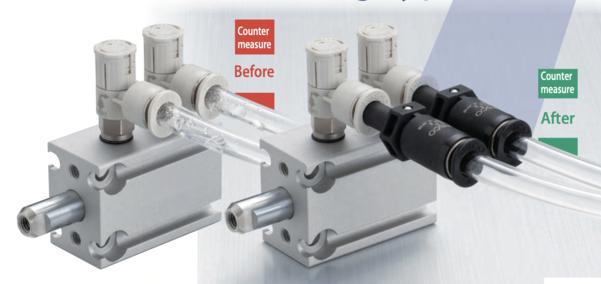
Prevent Condensation in Pneumatic Systems with PISCO EQJ Quick Exhaust Valve Even when a high-quality air dryer is installed near the compressor or before the FRL unit, condensation can still occur inside pneumatic systems. This problem is commonly seen in high-speed automation applications using air grippers, mini cylinders, and short-stroke pneumatic actuators. The main reason is adiabatic expansion. When compressed air rapidly expands, the air temperature suddenly drops. In systems where the piping between the solenoid valve and actuator is long, and the cylinder stroke is very short, all the air inside the tube cannot exhaust completely during fast operation cycles. The remaining air experiences repeated pressure and temperature changes, creating mist and eventually water inside the tubing. This issue is especially common in: Air grippers Pen cylinders Short-stroke cylinders High-speed pick-and-place systems Compact automation machines Problems Caused by Condensation Water inside pneumatic lines can lead to: Grease washout inside cylinders Unstable actuator movement Corrosion and internal damage Reduced gripping accuracy Increased machine downtime Shorter actuator life Industries such as electronics, semiconductor manufacturing, automotive automation, packaging, robotics, and CNC/SPM machines often face these challenges. PISCO EQJ Quick Exhaust Valve Solution The PISCO EQJ Quick Exhaust Valve is designed to solve condensation problems directly at the actuator side. Instead of exhausting air only through the solenoid valve, the EQJ valve exhausts air close to the air gripper or cylinder. This minimizes adiabatic expansion inside long pneumatic tubing and helps prevent condensation. Unique Socket-Type Design A major advantage of the EQJ series is its compact socket-type structure. It can be directly connected to: Pneumatic fittings Speed controllers Air grippers Mini cylinders Very few competitors offer this type of compact quick exhaust solution, making the EQJ series highly unique in the pneumatic automation market. Key Benefits Prevents condensation inside pneumatic tubes Improves actuator life and reliability Maintains smooth cylinder movement Reduces maintenance and downtime Easy retrofit installation No need to redesign the pneumatic system Cost-effective automation upgrade Customers can simply install the EQJ valve into their current pneumatic setup without replacing cylinders or changing piping layouts. Proven Industrial Performance The EQJ series has already been successfully used in many automation applications across Asia. Nearly 1,000 pieces were supplied in Thailand over the last 1–2 years specifically for solving condensation problems in high-speed pneumatic systems. Available Sizes The EQJ Series is available in: 3 mm 4 mm 6 mm These compact sizes are ideal for modern automation equipment and small pneumatic actuators. Applications The EQJ quick exhaust valve is widely used in: Robotics Pick-and-place automation Packaging machinery SMT and semiconductor equipment Industrial automation systems Compact pneumatic machinery Why Choose PISCO Pneumatic Products PISCO Official Website is globally recognized for compact, high-quality pneumatic automation products designed for advanced industrial applications. The EQJ Quick Exhaust Valve is a simple but highly effective solution for preventing moisture problems and improving pneumatic system performance. Key Products Pneumatic condensation solution Quick exhaust valve for air gripper Prevent water in pneumatic cylinder PISCO EQJ valve India Pneumatic moisture prevention Mini cylinder condensation solution Pneumatic automation products India High-speed cylinder exhaust valve Air gripper water problem Pneumatic reliability improvement For industrial automation in India, the PISCO EQJ Quick Exhaust Valve is an effective, economical way to improve the reliability of pneumatic systems and extend actuator life.

68179d65be22ee500d53ff54 Card 2

product image
CarrLane

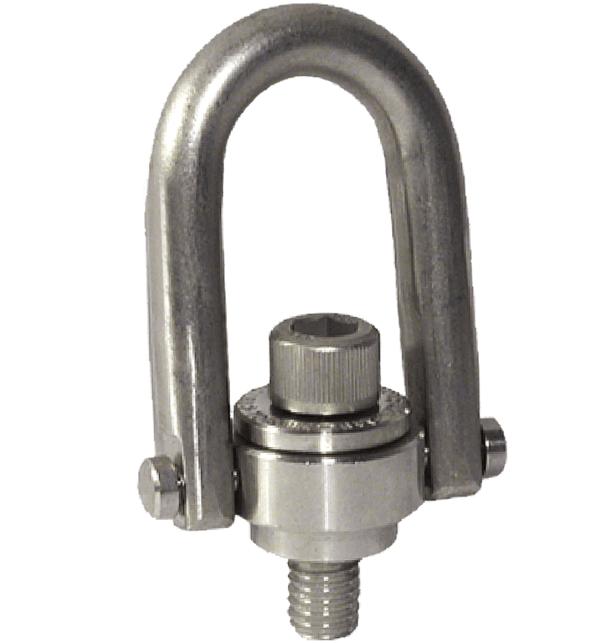
Carr Lane India – Dealer & Distributor Authorized Dealer in India IBK Engineers Pvt Ltd 📍 Bangalore (Peenya Industrial Area) Listed in Carr Lane global distributor network Supplies complete Carr Lane tooling components in India 👉 Strong fit for: Automation companies SPM builders Fixture & jig manufacturers Carr Lane Products (India Range) Jig & Fixture Components Toggle clamps Swing clamps Edge clamps Fixture locators Positioning & Locating Ball lock pins / quick release pins Alignment pins Jig bushes Spring-loaded devices Lifting & Heavy Duty Components Hoist rings Lifting points Swivel rings Machine Setup & Accessories Hand knobs Key inserts (thread repair) Quick-change fixture systems Modular tooling components Industries Using Carr Lane Automotive fixture manufacturing Aerospace tooling Machine tool builders SPM / automation companies Welding & fabrication shops

68179d65be22ee500d53ff54 Card 2

product image
Pisco Pneumatic

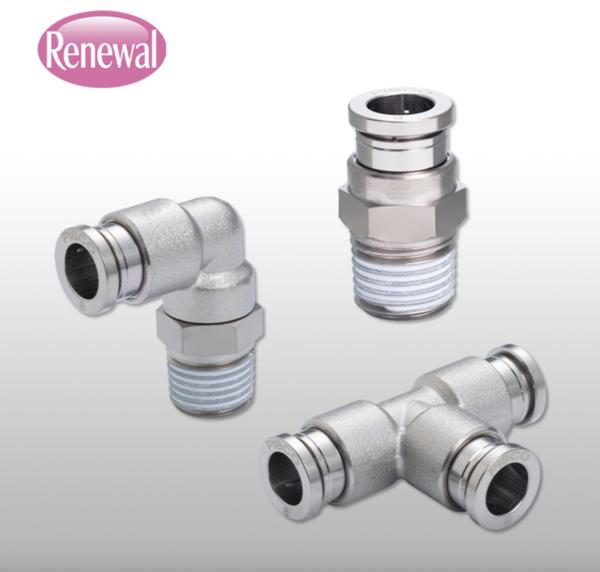
Brass Push-In Fittings – Pisco: Smart, Reliable, Low-Cost Connections for Industrial Systems In pneumatic and fluid handling systems, connection reliability and ease of service are vital. Pisco Pneumatic Straight Fitting, 8 mm x R1/8, PISCO Pneumatic Push‑to‑Connect Elbow Fitting, 6 mm x R1/8, PISCO Pneumatic Push‑to‑Connect Elbow Fitting, 6 mm x R1/4, and similar Pisco push-in fittings deliver durable, leak-proof brass construction with quick, tool-free installation — ideal for both designers and maintenance engineers. These fittings use a push-to-connect (push-in) mechanism that permanently grips pneumatic or fluid tubing (e.g., PU, nylon), creating a secure seal without threaded tools or sealants. Brass bodies, often nickel-plated, offer excellent corrosion resistance and mechanical strength compared to plastic alternatives, making them suited to heavy industrial environments such as automation lines, packaging machinery, machine tools, and pneumatic actuators. Brass fittings also tolerate higher pressures and temperature ranges, enhancing long-term reliability. For design engineers, push-in fittings simplify layout planning with compact shapes, consistent sealing, and compatibility across a broad spectrum of tube sizes and thread standards. They reduce assembly time dramatically, enabling faster prototyping and system builds. For maintenance teams, the one-touch release mechanism shortens service calls, cuts downtime, and minimizes air leakage — a common source of inefficiency in compressed air systems. Quick disconnection and re-use also reduce inventory needs and overall lifecycle cost. Pisco push-in fittings are now widely available in India through authorized distributors like IBK Engineers Pvt Ltd, with stock and support across major industrial centres including Karnataka’s Bangalore region, Pune, Hyderabad, Chennai, and beyond.

68179d65be22ee500d53ff54 Card 2

product image
Pisco Pneumatic

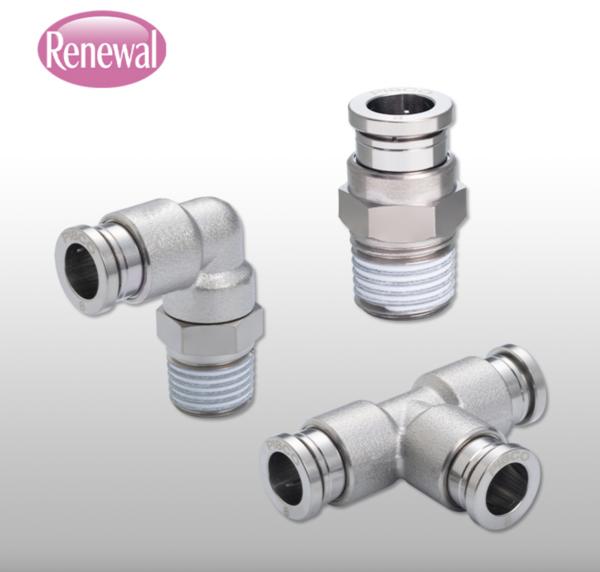
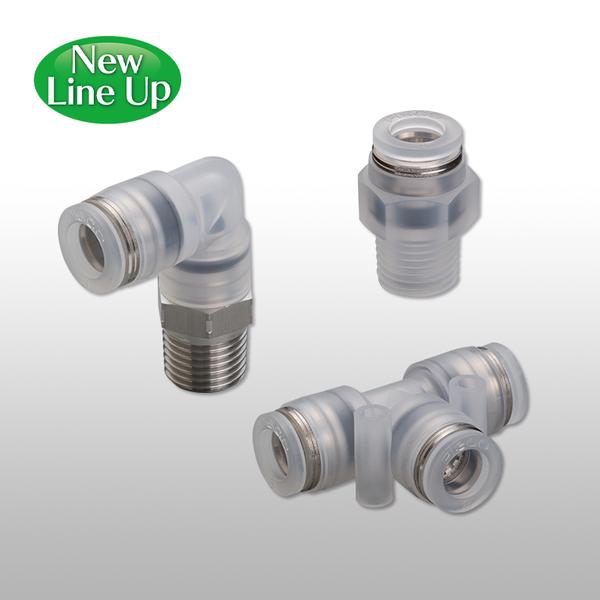
Stainless Steel 316 & PP304 PISCO Fittings: A Practical Guide for Engineers In industrial pneumatic and fluid systems, choosing the right connection components is critical for performance and longevity. PISCO SUS316 Pneumatic Push‑in Straight Fitting, PISCO 12 Φ mm Stainless Steel Fitting Straight, and PISCO 4 Φ mm Stainless Steel Fitting Straight exemplify high-quality fittings engineered for reliability and industrial robustness. 316 stainless steel fittings are ideal where superior corrosion resistance and mechanical strength are required. The addition of molybdenum improves resistance to chemicals, chlorides, and harsh environments, making SS316 excellent for chemical plants, marine, pharmaceutical, and food-grade systems. These fittings maintain structural integrity under high pressure and temperature, helping reduce lifecycle maintenance and minimizing leakage risks in critical applications. PP304 (Polypropylene + SUS304) combinations balance performance and cost. Polypropylene bodies with SUS304 threaded sections provide chemical resistance and reduced weight while allowing visual inspection of fluids in some designs. They are suitable for pneumatic and low-pressure fluid systems where 316 may be over-specified but corrosion resistance is still needed. For design engineers, these PISCO fittings offer versatility in layouts with elbows, tees, and straight connections, and maintenance teams benefit from quick tool-less installation and reduced downtime. Competitive pricing and local availability through distributors ensure cost-effective automation solutions.

68179d65be22ee500d53ff54 Card 2

product image
Pisco Pneumatic

PU Tubes: High-Performance Pneumatic Solutions for Indian Industries Polyurethane (PU) tubes are a cornerstone in modern pneumatic systems, offering unmatched flexibility, durability, and chemical resistance. Used extensively in automation, assembly lines, robotics, and industrial machinery, PU tubes deliver reliability and precision, which are critical for high-efficiency production environments. For Indian engineers and industrial users, understanding material properties, design features, and applications is key to selecting the right PU tubing for your pneumatic systems. 1. Why Polyurethane Tubes? Polyurethane tubes stand out for their combination of flexibility, abrasion resistance, and chemical stability. Unlike PVC or rubber tubes, PU tubes can handle frequent bending, vibration, and high-pressure pneumatic flows without deformation. Key Advantages: High flexibility for tight bends and compact layouts. Exceptional wear resistance for long-term operation. Low friction coefficient for smooth pneumatic flow. Good chemical and oil resistance for industrial environments. Lightweight and easy to install in automation setups. These properties make PU tubes ideal for sectors such as automotive manufacturing, packaging, electronics assembly, and food processing. 2. PU Tube Material Properties Different PU tube formulations allow engineers to match tube characteristics to specific industrial requirements: Standard PU Tubes Properties: Flexible, lightweight, and suitable for general pneumatic applications. Temperature Range: -20°C to +60°C. Applications: Pneumatic conveyors, pick-and-place machinery, and air distribution systems. Food-Grade PU Tubes Properties: Non-toxic, FDA-compliant, and resistant to oils and grease. Temperature Range: -20°C to +80°C. Applications: Food and beverage processing, pharmaceutical packaging, and medical automation. High-Performance PU Tubes Properties: Extra abrasion resistance, higher pressure tolerance, and UV resistance. Temperature Range: -30°C to +90°C. Applications: Heavy-duty industrial machines, robotics, and automotive pneumatic lines. 3. Design Features and Options PU tubes are available in various sizes, colors, and wall thicknesses, giving engineers flexibility in system design: Internal Diameter (ID) & Outer Diameter (OD): Matches fittings and ensures optimal air flow. Color Coding: Facilitates system organization and easy maintenance. Reinforced PU Tubes: Added strength for high-pressure pneumatic systems. Pre-Cleaned or Clean-Room PU Tubes: Suitable for semiconductor, pharmaceutical, and medical device manufacturing. 4. Key Applications of PU Tubes in India PU tubing is widely adopted across Indian industries for efficiency, reliability, and safety: Automation and Robotics: Smooth pneumatic flow for actuators, cylinders, and grippers. Packaging Industry: Food-grade tubes for filling, sealing, and conveying applications. Automotive Manufacturing: Durable PU tubes for assembly line automation and air-powered tools. Pharmaceuticals & Medical Devices: Cleanroom-ready tubes for contamination-free pneumatic transport. 5. Integrating PU Tubes into Pneumatic Systems A PU tube is only as effective as the system it serves. A complete pneumatic setup includes: Fittings & Connectors: Push-in fittings for fast, leak-proof connections. Vacuum Generators & Pumps: Ensure steady air or vacuum flow. Filters & Regulators: Maintain clean, pressurized airflow for optimal performance. Manifolds & Tubing Networks: Organize distribution for multiple actuators or cylinders. By selecting the right tube size, material, and accessories, engineers can maximize system efficiency, reduce maintenance, and extend equipment life. 6. Conclusion PU tubes are a versatile, durable, and reliable solution for pneumatic systems in Indian industries. By understanding the material properties, design options, and proper system integration, engineers can achieve high efficiency, longevity, and safety in their automation and pneumatic applications. Investing in quality PU tubes ensures smooth operations, reduces downtime, and delivers cost-effective performance for years.

Still searching for
official dealer network pneumatic fittings?