What is a Ball Screw? A Complete Guide to Precision Linear Motion
When it comes to precision in linear motion systems, the ball screw stands out as a highly efficient and reliable component. Whether you're involved in CNC machinery, automation, robotics, or industrial equipment, understanding ball screws can help you make smarter decisions for better performance and durability.
What is a Ball Screw?
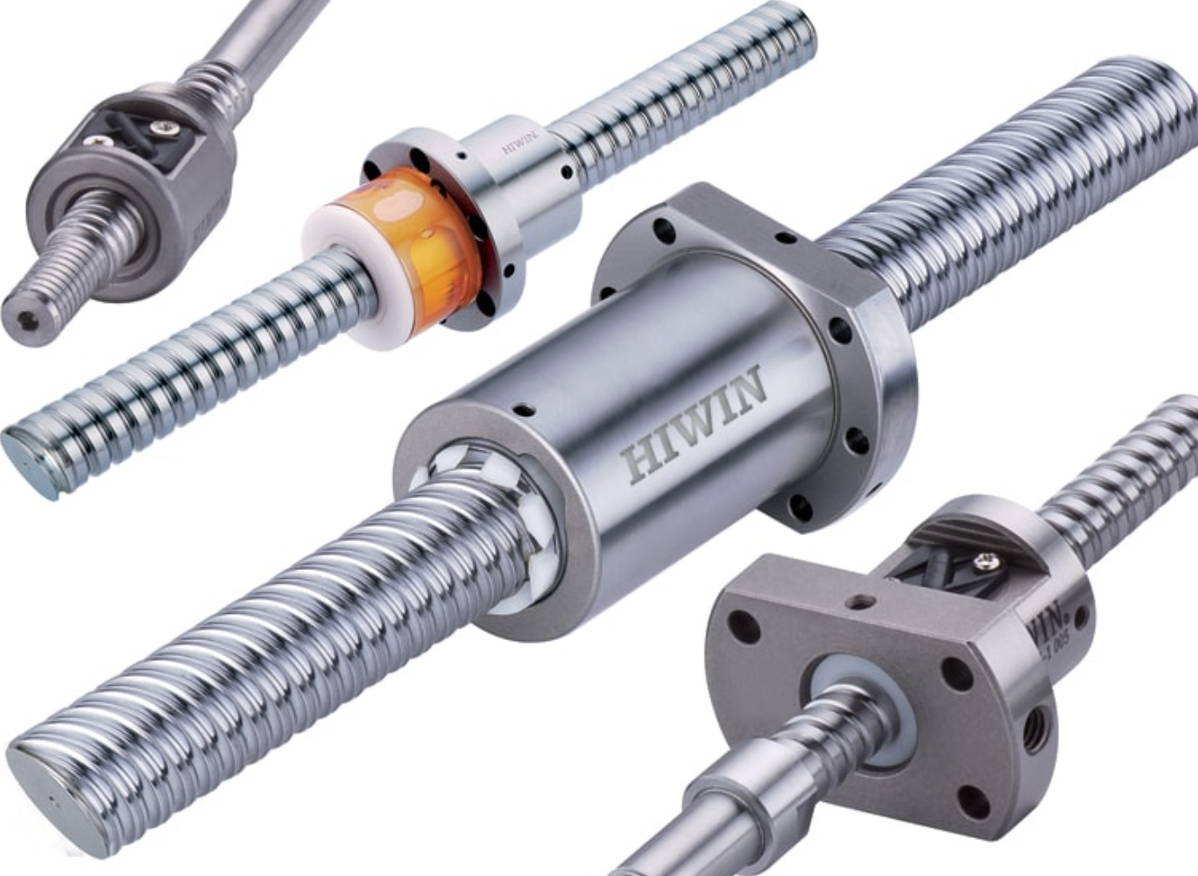
A ball screw is a mechanical device that converts rotational motion into linear motion with high efficiency and accuracy. It uses a recirculating ball mechanism to reduce friction between the screw shaft and the nut. This setup allows for smooth, precise, and repeatable linear movement.
Unlike traditional lead screws, which rely on sliding contact, ball screws use rolling elements (steel balls), which drastically reduce energy losses and wear.
Key Advantages of Ball Screws
High Efficiency
Ball screws can achieve efficiency levels above 90%, making them ideal for high-speed and continuous-use applications.
Precision & Repeatability
Due to their design, ball screws deliver consistent accuracy, which is critical for CNC machines and automated systems where tolerances are tight.
Long Life Span
With lower friction and wear, ball screws last longer than traditional lead screw systems, reducing downtime and maintenance costs.
Load-Bearing Capacity
Ball screws can handle both axial and radial loads, which is essential in demanding industrial applications.
Common Applications of Ball Screws
CNC Machinery – Used for accurate tool movement and positioning.
Robotics – For smooth and controlled linear actuation.
Aerospace & Defense – In actuators and flight simulators.
Medical Equipment – High-precision movement in imaging and diagnostic devices.
Automated Assembly Lines – Where repeatability and speed are essential.
Ball Screw vs Lead Screw: What’s the Difference?
Feature Ball Screw Lead Screw
Friction Low (rolling) High (sliding)
Efficiency High (up to 95%) Low to Medium
Load Capacity High Moderate
Maintenance Requires lubrication Low maintenance
Cost Higher Lower
Accuracy Very High Moderate
If you require high-precision drive systems and performance over time, a ball screw is usually the better option.
How to Choose the Right Ball Screw?
When selecting a ball screw, consider:
Load requirements (dynamic & static)
Speed and acceleration
Precision or backlash tolerance
Duty cycle (how often it operates)
Environmental conditions (dust, temperature, etc.)
You should consult a trusted motion system supplier or engineer for guidance tailored to your application.
Conclusion
Ball screws are at the heart of modern linear motion systems where accuracy, reliability, and efficiency matter most. While they come at a higher cost than lead screws, their performance in CNC machinery, robotics, and automation applications more than justifies the investment.
Whether you're upgrading your machinery or designing a new system, choosing the right ball screw can dramatically improve your equipment's precision and productivity.
Keywords:
Ball screw, lead screw, linear motion system, precision drive, recirculating ball mechanism, CNC machine screw, automated machinery components, industrial motion control.