
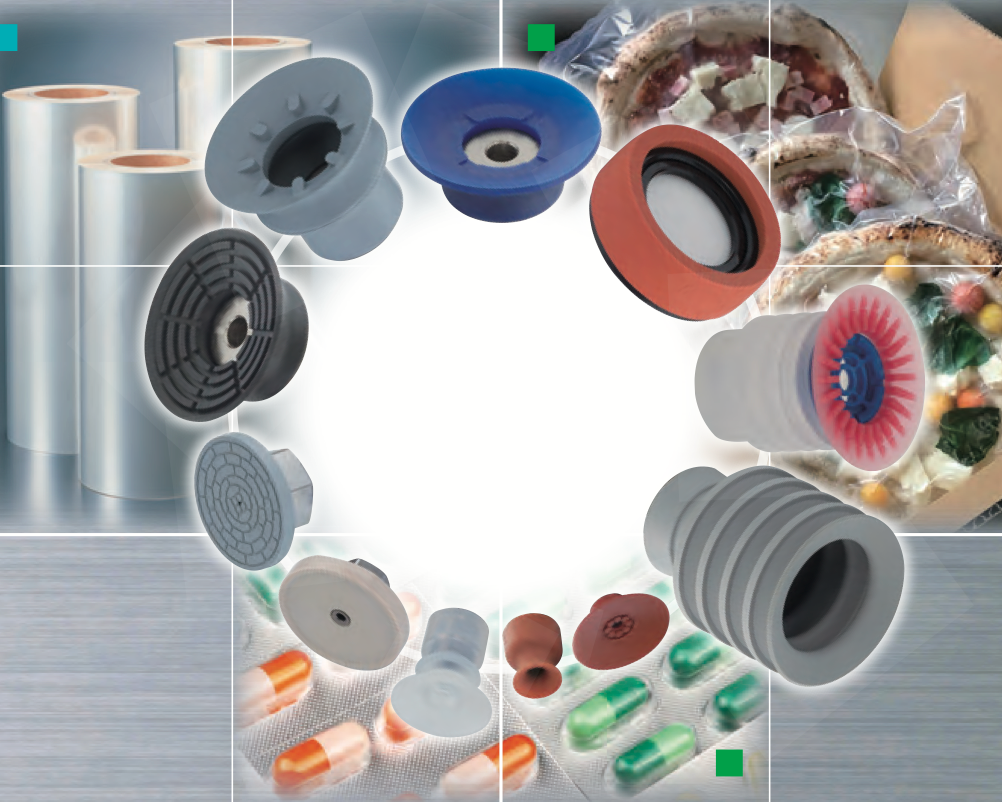
In today’s fast-growing Indian manufacturing sector, automation and robotics play a crucial role in improving productivity, consistency, and workplace safety. One of the most critical yet often overlooked components in automated handling systems is the vacuum suction cup. From pick-and-place robots to packaging, palletizing, and material handling, the right suction cup selection directly impacts system reliability and efficiency. This guide helps Indian manufacturers, OEMs, and system integrators choose the right vacuum suction cups for their automation needs. What Are Vacuum Suction Cups? Vacuum suction cups are end-of-arm tooling components used with vacuum generators or pumps to grip, lift, and move objects without mechanical clamps. They are widely used in robotics, packaging lines, CNC loading, food processing, electronics, automotive, and pharma industries. Key Factors to Consider When Selecting Vacuum Suction Cups 1. Workpiece Material & Surface The nature of the object being handled is the most important factor. Smooth surfaces (glass, metal sheets, plastic panels): Flat or bellows suction cups Rough or uneven surfaces (wood, cartons): Foam or deep bellows suction cups Porous materials (paper, cardboard): Large-diameter cups with high flow vacuum systems Indian packaging lines handling corrugated boxes and pouches must consider surface porosity carefully. 2. Suction Cup Material Different materials suit different industrial environments: NBR (Nitrile Rubber): General industrial use, oil-resistant, cost-effective Silicone: High-temperature applications, food & pharma packaging Polyurethane (PU): High wear resistance, long life EPDM: Resistant to heat, chemicals, and weathering For Indian factories exposed to heat, dust, and oils, material choice directly affects lifespan and maintenance cost. 3. Shape & Design of Suction Cup Flat suction cups: Best for smooth, rigid surfaces Bellows suction cups: Compensate for height variation and uneven surfaces Oval suction cups: Suitable for narrow or elongated products Multi-lip cups: Improved sealing and stability Packaging automation often prefers bellows-type cups to handle product height variation on conveyors. 4. Load Weight & Safety Factor Always calculate: Weight of the object Acceleration forces during robot movement Required safety factor (minimum 2.5x) Under-sized suction cups can cause product drops, downtime, and rejects, especially in high-speed Indian packaging lines. 5. Environment & Operating Conditions Consider: Ambient temperature Presence of oil, dust, or chemicals Wash-down or hygienic requirements Food, pharma, and FMCG industries in India require clean, non-marking suction cups compliant with hygiene standards. Applications of Vacuum Suction Cups in Indian Automation Robotic pick & place systems Packaging and carton handling Sheet metal and glass handling CNC machine loading/unloading Electronics and PCB handling FMCG and pharma packaging lines With rising labor costs and demand for consistency, vacuum automation adoption in India is growing rapidly. Common Mistakes to Avoid Choosing suction cups only based on price Ignoring surface condition of products Not considering vacuum flow rate Using incorrect material for temperature or chemicals Correct selection reduces maintenance cost, air consumption, and downtime. Why Source Vacuum Suction Cups from a Reliable Supplier? A trusted industrial supplier ensures: Correct technical selection Availability of multiple sizes and materials Compatibility with vacuum generators Faster service and replacement support in India Vacuum Suction Cups Available at IBK Engineers Pvt Ltd IBK Engineers Pvt Ltd, Bangalore, supplies high-quality vacuum suction cups and vacuum components suitable for Indian industrial automation and robotics applications. With strong technical support and quick availability, IBK Engineers helps manufacturers improve productivity and system reliability. 📞 Contact IBK Engineers for selection assistance, pricing, and availability of vacuum suction cups for automation in India.


This is your website preview.
Currently it only shows your basic business info. Start adding relevant business details such as description, images and products or services to gain your customers attention by using Boost 360 android app / iOS App / web portal.
Vacuum Suction Cups for Automation – Selection Guide for Indian Manufacturers
2026-02-07T04:54:49
In today’s fast-growing Indian manufacturing sector, automation and robotics play a crucial role in improving productivity, consistency, and workplace safety. One of the most critical yet often overlooked components in automated handling systems is the vacuum suction cup. From pick-and-place robots to packaging, palletizing, and material handling, the right suction cup selection directly impacts system reliability and efficiency. This guide helps Indian manufacturers, OEMs, and system integrators choose the right vacuum suction cups for their automation needs. What Are Vacuum Suction Cups? Vacuum suction cups are end-of-arm tooling components used with vacuum generators or pumps to grip, lift, and move objects without mechanical clamps. They are widely used in robotics, packaging lines, CNC loading, food processing, electronics, automotive, and pharma industries. Key Factors to Consider When Selecting Vacuum Suction Cups 1. Workpiece Material & Surface The nature of the object being handled is the most important factor. Smooth surfaces (glass, metal sheets, plastic panels): Flat or bellows suction cups Rough or uneven surfaces (wood, cartons): Foam or deep bellows suction cups Porous materials (paper, cardboard): Large-diameter cups with high flow vacuum systems Indian packaging lines handling corrugated boxes and pouches must consider surface porosity carefully. 2. Suction Cup Material Different materials suit different industrial environments: NBR (Nitrile Rubber): General industrial use, oil-resistant, cost-effective Silicone: High-temperature applications, food & pharma packaging Polyurethane (PU): High wear resistance, long life EPDM: Resistant to heat, chemicals, and weathering For Indian factories exposed to heat, dust, and oils, material choice directly affects lifespan and maintenance cost. 3. Shape & Design of Suction Cup Flat suction cups: Best for smooth, rigid surfaces Bellows suction cups: Compensate for height variation and uneven surfaces Oval suction cups: Suitable for narrow or elongated products Multi-lip cups: Improved sealing and stability Packaging automation often prefers bellows-type cups to handle product height variation on conveyors. 4. Load Weight & Safety Factor Always calculate: Weight of the object Acceleration forces during robot movement Required safety factor (minimum 2.5x) Under-sized suction cups can cause product drops, downtime, and rejects, especially in high-speed Indian packaging lines. 5. Environment & Operating Conditions Consider: Ambient temperature Presence of oil, dust, or chemicals Wash-down or hygienic requirements Food, pharma, and FMCG industries in India require clean, non-marking suction cups compliant with hygiene standards. Applications of Vacuum Suction Cups in Indian Automation Robotic pick & place systems Packaging and carton handling Sheet metal and glass handling CNC machine loading/unloading Electronics and PCB handling FMCG and pharma packaging lines With rising labor costs and demand for consistency, vacuum automation adoption in India is growing rapidly. Common Mistakes to Avoid Choosing suction cups only based on price Ignoring surface condition of products Not considering vacuum flow rate Using incorrect material for temperature or chemicals Correct selection reduces maintenance cost, air consumption, and downtime. Why Source Vacuum Suction Cups from a Reliable Supplier? A trusted industrial supplier ensures: Correct technical selection Availability of multiple sizes and materials Compatibility with vacuum generators Faster service and replacement support in India Vacuum Suction Cups Available at IBK Engineers Pvt Ltd IBK Engineers Pvt Ltd, Bangalore, supplies high-quality vacuum suction cups and vacuum components suitable for Indian industrial automation and robotics applications. With strong technical support and quick availability, IBK Engineers helps manufacturers improve productivity and system reliability. 📞 Contact IBK Engineers for selection assistance, pricing, and availability of vacuum suction cups for automation in India.
2026-02-07T04:54:49


Keywords
- Reliable vacuum cups supplier India
- Custom vacuum suction cup selection
- Safety factors in vacuum handling
- Materials suitable for industrial environments
- High-temperature food packaging suction cups
- Vacuum cups for robotics applications
- Surface compatible suction cups India
- Food pharma hygiene vacuum cups
- Industrial vacuum suction cups manufacturer
- Vacuum suction cups for Indian automation
Submit Your Enquiry