Precision Handling Solutions in Solar Panel Manufacturing: From Glass to Silicon Wafers
As the global demand for renewable energy continues to surge, solar panel manufacturing has become a crucial pillar of the clean energy supply chain. Precision, cleanliness, and speed are vital in every stage of the solar panel production process—from glass layer handling and silicon wafer gripping to the final panel transfer in cleanroom environments. This article explores how advanced vacuum automation and handling solutions are transforming solar manufacturing, ensuring higher yield, reliability, and efficiency.
1. Solar Panel Manufacturing Process – Overview
Modern photovoltaic (PV) panel production involves multiple delicate and precise steps, including:
Handling large sheets of solar glass
Placing and bonding silicon wafers
Assembling the encapsulant layers
Laminating the modules
Electrical connection and testing
Final panel transfer and packaging
Every stage requires controlled handling to avoid breakage, contamination, or misalignment—especially in fully automated or robotic assembly lines.
2. Glass Layer Handling with Vacuum Suction Systems
Solar panels begin with ultra-clear, tempered glass layers that act as protective and optical elements. These sheets are often over 2m in length and extremely fragile.
Key Challenges:
Glass fragility and weight
Need for clean, dust-free gripping
Precise positioning without slipping
Solution:
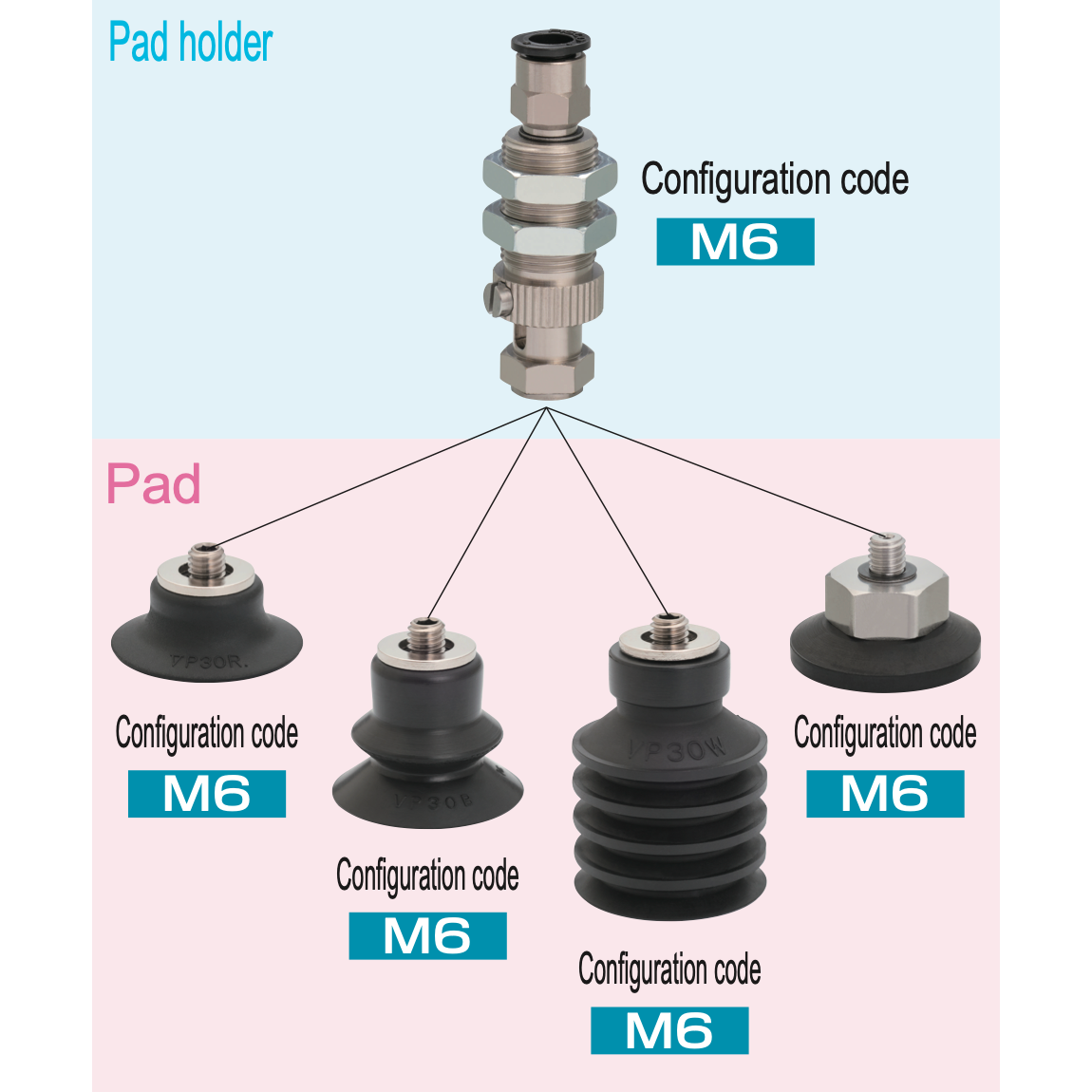
Vacuum suction cups made of non-marking silicone or urethane are widely used. These suction pads ensure:
Gentle yet secure lifting
No scratching or surface contamination
Long-term durability in high-speed automation lines
Recommended Product Features:
Flat or bellows-type vacuum cups
Anti-static or cleanroom-rated materials
Compatibility with robotic EOAT (End of Arm Tooling)
3. Silicon Wafer Gripping in High Precision Environments
Silicon wafers are the core of solar cell efficiency, but they’re ultra-thin (typically 150–200 µm) and prone to breakage. Automated wafer handling must be extremely precise.
Challenges:
Micro-fragility of wafers
Electrostatic discharge (ESD) risks
Requirement for particulate-free handling
Solutions:
Advanced vacuum micro-grippers and soft-touch grippers from manufacturers like Pisco are ideal. These offer:
Low vacuum force operation for thin wafers
Static electricity dissipation materials
Compatibility with high-speed pick-and-place systems
Modular integration with robots or XY platforms
4. Panel Transfer in Clean Environments
Once a solar panel is laminated and ready, it must be transferred through inspection and packaging lines, often within ISO Class 5–7 cleanroom conditions.
Requirements:
Zero contamination handling
No dust or oil release
Smooth, vibration-free movement
Recommended Technology:
Vacuum generators with cleanroom filters
Silencer-equipped ejectors
Non-lubricated pneumatic cylinders or electric actuators for movement
Using cleanroom-certified vacuum components ensures:
Compliance with international cleanliness standards
Extended equipment life
Higher yield and reduced rework rates
5. Vacuum Automation Benefits in Solar Production
Integrating vacuum automation in solar panel production offers clear operational and quality benefits:
Increased automation reliability
Reduced material waste and downtime
Higher throughput and product consistency
Flexibility for different panel sizes and configurations
6. Why Choose Pisco Pneumatic Products for Solar Applications
As a leading global brand, Pisco Pneumatics offers:
Wide selection of vacuum cups (silicone, urethane, anti-static)
Vacuum generators with multi-stage ejectors and silencers
Cleanroom-ready fittings and tubing
Compact, high-speed grippers for robotic use
Through distributors like IBK Engineers Pvt Ltd in India, Pisco products are now readily available for OEMs, solar automation machine builders, and system integrators.
Conclusion
Solar panel manufacturing demands clean, reliable, and highly accurate handling systems—especially during glass and wafer processing. Vacuum technology, when implemented correctly, ensures efficiency, protection, and repeatable quality in every step. With trusted solutions from brands like Pisco, manufacturers in India and beyond can confidently upgrade their automation lines for the solar future.