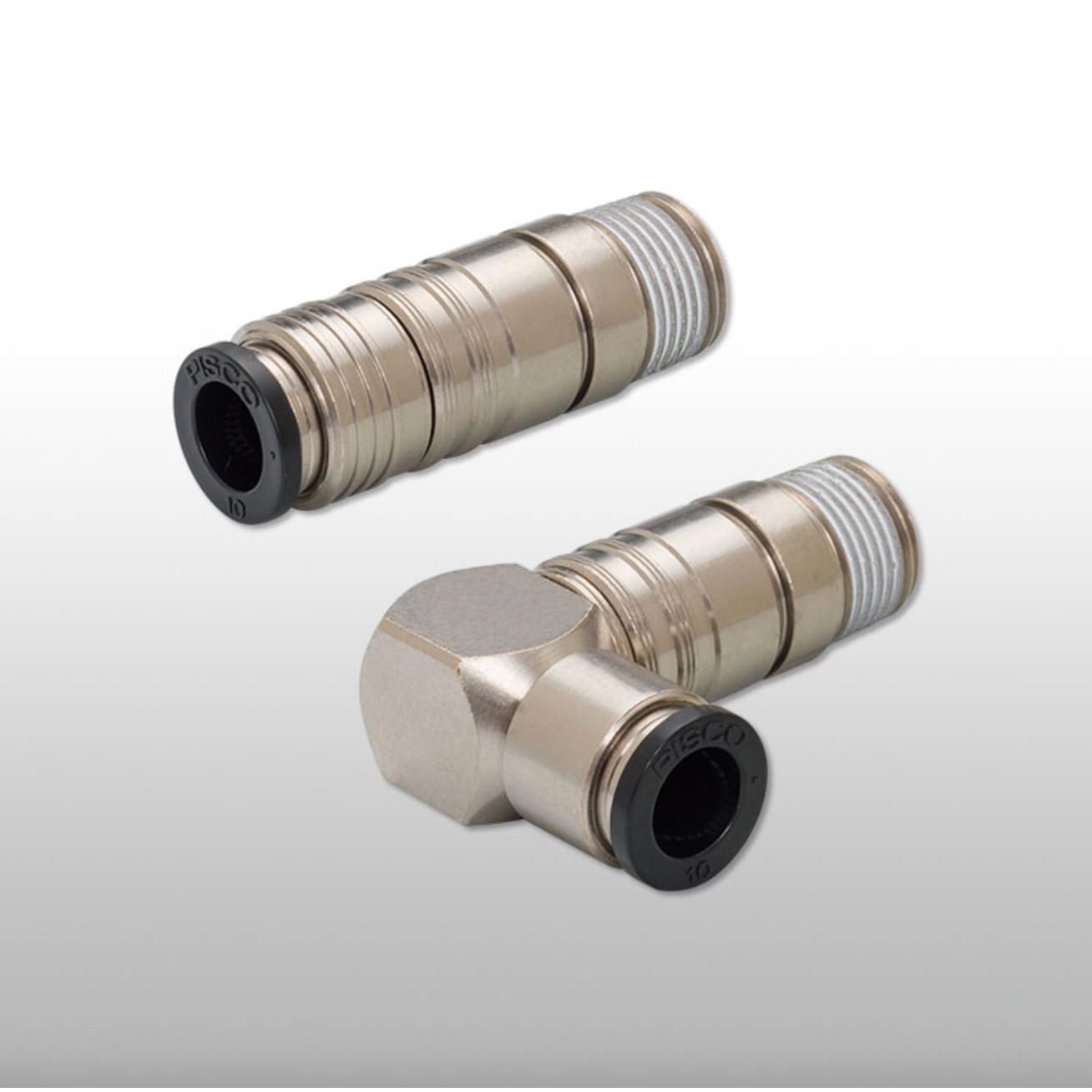
Die Temperature Control Fitting Now Available in India, A Game Changer for Die Design & Injection Molding. In the competitive world of plastic injection molding and die design, process reliability, reduced cycle time, product quality, and lower scrap rates are the keys to profitability. One critical yet often overlooked factor that influences all of these is thermal control — how well you manage the temperature of the mold or die during the injection cycle.
Now, with Die Temperature Control Fittings available in India, molders and die designers can unlock significant performance
improvements and operational benefits.
What Are Die Temperature Control Fittings?
Die temperature control fittings are precision-engineered components installed in mold cores, cavities, or manifold circuits to connect temperature control lines (water, oil, or thermal fluid) to the die. They enable:
Efficient circulation of heating/cooling fluids
Tight sealing under high pressure and temperature
Quick and reliable connections that prevent leakage
These fittings ensure the die receives consistent thermal regulation throughout the injection process.
Why Temperature Control Matters in Die Design & Injection Molding
In injection molding and die casting, maintaining optimal die temperature is crucial for:
1. Stable Melt Flow & Filling
Temperature affects melt viscosity. Better thermal control means smoother filling, fewer flow lines, and more uniform material distribution.
2. Precision Part Quality
Components like ribs, bosses, thin walls, and fine details require exact thermal balance to avoid defects such as:
Sink marks
Warpage
Flash
Weld lines
Temperature control fittings help maintain consistent mold surface temperature, improving dimensional accuracy and surface finish.
3. Cycle Time Optimization
Correct mold temperature speeds up cooling or heating phases without overcooling, reducing cycle time while preserving part quality — boosting productivity.
4. Lower Scrap & Rework
Without stable temperature control, parts may be out of spec or inconsistent, leading to higher reject rates. Controlled thermal systems deliver repeatability you can count on.
Key Benefits of Die Temperature Control Fittings — Especially Now in India
Localized Availability
With temperature control fittings now manufactured and stocked in India, mold shops and OEMs no longer need expensive imports or long lead times, leading to:
Faster project turnaround
Lower logistics costs
Better support from local suppliers
Precision Engineering
Today’s fittings are designed for:
High levels of sealing integrity
Minimal pressure drop
Compatibility with copper, stainless, or conformal cooling channels
Easy installation and maintenance
This results in improved fluid flow and temperature stability inside the die.
Modular & Flexible Die Design
Modern temperature control fittings make it easier to design:
Zonal temperature control
Quick changeover circuits
Retrofit solutions for existing molds
This flexibility supports lean tooling layouts and faster die modifications.
Improved Thermal Efficiency
With better fluid coupling and reduced thermal losses, you get:
Uniform heat transfer
Reduced hot spots
Better control over cooling gradients
For high-performance engineering plastics (like PA, PBT, PC, ABS blends), thermal control is essential for crystal structure control and final part integrity.
Lower Maintenance & Longer Die Life
High-quality fittings reduce:
Corrosion and erosion
Seal failures
Coolant leaks
Less downtime means more production hours and lower maintenance costs.
Applications & Industries That Benefit Most
Die temperature control fittings are valuable across sectors such as:
Automotive (interiors, under-hood components)
Electrical & Electronics (connectors, switches)
Consumer Goods (lids, containers, appliances)
Medical Devices (precision thermoplastics)
Packaging (thin wall, high-speed molding)
Wherever precision and consistency matter — temperature control matters even more.
Best Practices for Implementing Temperature Control Fittings
To maximize the benefits:
Design with Thermal Simulation
Use CAD/CAE tools (Moldflow, Cimatron, etc.) to plan channel placement and fitting positions before manufacturing.
Use the Right Fluid
Select heat transfer media (water, oil, glycol mix) based on process temperatures and thermal performance needed.
Plan for Zonal Control
Not all areas heat or cool at the same rate — design multiple circuits for balanced thermals.
Maintain & Monitor Regularly
Periodic inspection of seals, hoses, and fittings prevents unplanned downtime.Conclusion
The availability of die temperature control fittings in India marks a significant step forward for the local plastics and tooling ecosystem.
By improving thermal management, these components help achieve:
Faster cycle times
Higher product quality
Lower scrap rates
Better repeatability
Reduced tooling costs
For die designers, molders, and OEMs, this means greater competitive