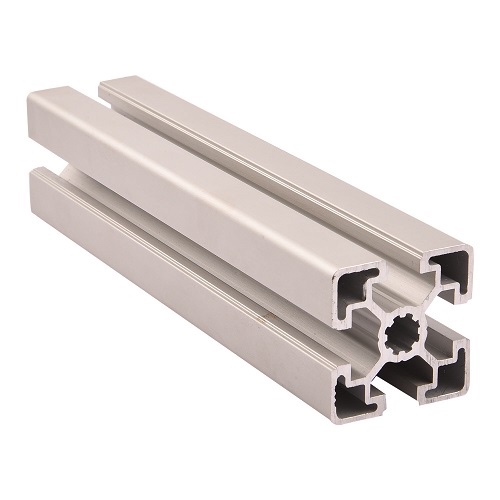
Aluminum Profiles Extrusion: The Complete Guide
Introduction
Begin with a brief introduction explaining aluminum extrusion. Mention its growing demand in industries like construction, automotive, aerospace, and furniture. Highlight its importance in creating lightweight, durable, and versatile components.
What is Aluminum Extrusion?
Provide a clear explanation of the process:
How heated aluminum billets are pushed through a die.
How this process forms specific shapes or profiles.
Types of extrusion: direct, indirect, and hydrostatic.
Advantages of Aluminum Extrusion
List and elaborate on the benefits:
Strength-to-Weight Ratio: Ideal for lightweight and robust designs.
Corrosion Resistance: Perfect for outdoor applications.
Design Versatility: Create intricate shapes and profiles.
Sustainability: Aluminum is recyclable, reducing environmental impact.
Cost-Effectiveness: Minimal material wastage and lower production costs.
Applications of Aluminum Profiles
Break this section into subheadings for different industries:
Construction: Window frames, curtain walls, and railings.
Automotive: Structural components and heat sinks.
Aerospace: Lightweight frames and brackets.
Furniture: Modular frames for tables and shelves.
Choosing the Right Aluminum Profile for Your Needs
Guide customers on selecting profiles based on:
Material Grade: Explain different grades (e.g., 6061, 6063) and their uses.
Profile Shape: Round, square, rectangular, or custom designs.
Surface Finishing: Options like anodizing, powder coating, or polishing.
Tolerances: Importance of precision in specific applications.
How to Partner with a Reliable Aluminum Extrusion Supplier
Offer tips for selecting a trustworthy supplier:
Experience in the industry.
Customization capabilities.
Quality assurance and certifications.
Competitive pricing and delivery timelines.
Future Trends in Aluminum Extrusion
Discuss emerging innovations:
3D-printed aluminum extrusions.
Advanced alloy development.
Automation in extrusion processes.