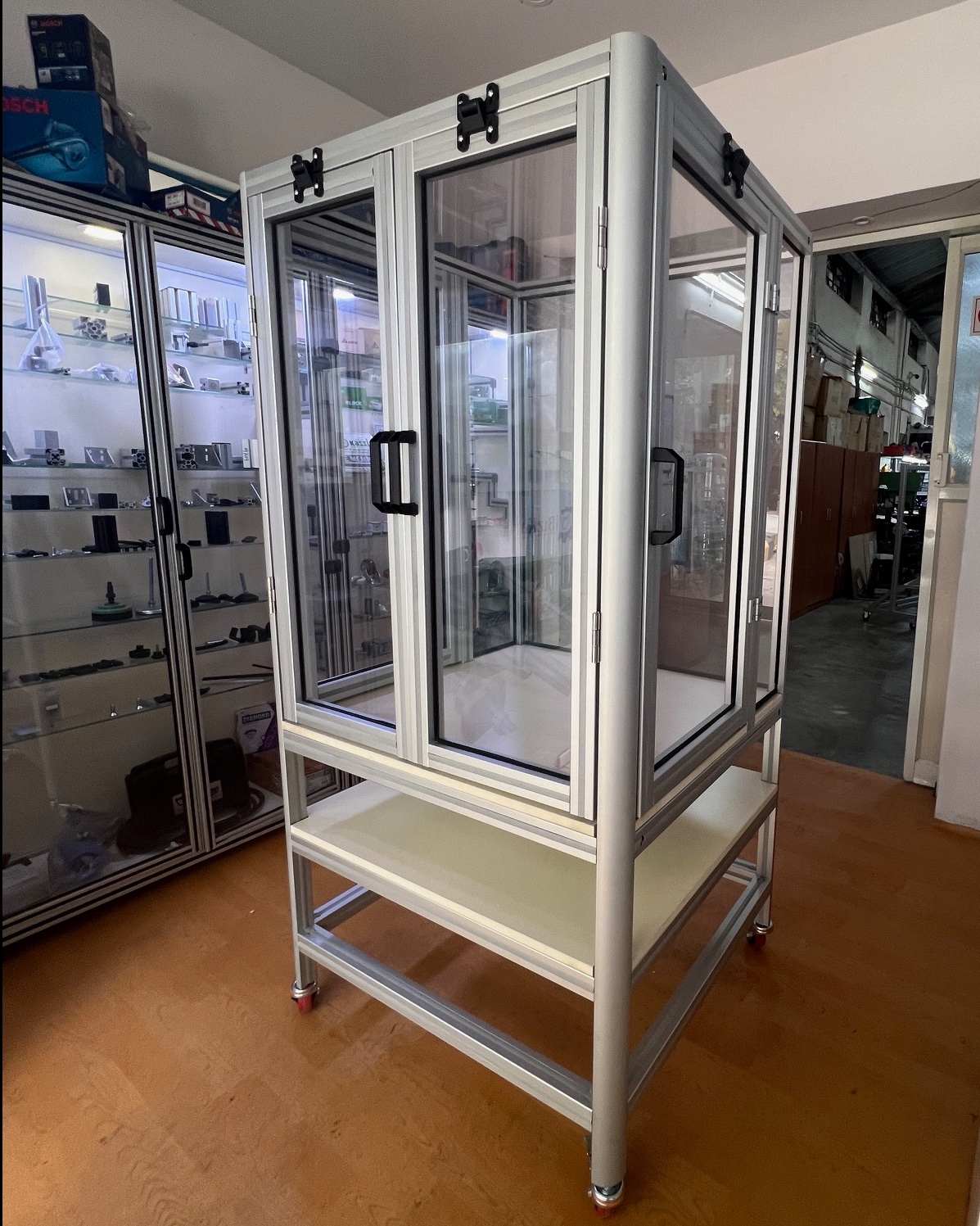
Aluminium profile systems have become the backbone of modern industrial automation, machine building, and workstation design. From modular frames to complex automation structures, aluminium extrusion assemblies offer flexibility, strength, and cost-efficiency. In this guide, we explain how aluminium profile assembly using accessories works, along with practical insights for engineers, buyers, and automation companies.
What is Aluminium Profile Assembly?
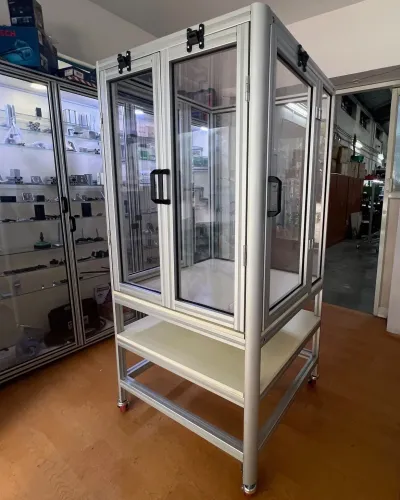
Aluminium profile assembly refers to the process of building structures using T-slot aluminium extrusions combined with specialized accessories such as connectors, brackets, fasteners, and joining elements.
Unlike welded steel structures, aluminium profile systems are:
Modular and reusable
Easy to assemble and modify
Lightweight yet strong
Corrosion-resistant
This makes them ideal for SPM machines, robotic cells, conveyors, enclosures, and workstations.
Key Accessories Used in Aluminium Profile Assembly
1. T-Nuts & Bolts
These are the most essential components used to fix accessories into the T-slot grooves. They allow quick positioning and adjustment without machining.
2. Corner Brackets
Used for 90-degree joints, ensuring rigidity and alignment in structural frames.
3. Connecting Plates & Gussets
Provide additional strength for heavy-load applications like machine bases and automation frames.
4. End Caps & Covers
Improve safety and aesthetics while protecting profiles from dust and debris.
5. Hinges, Handles & Door Accessories
Used in enclosures, cabinets, and safety guarding systems.
6. Leveling Feet & Castors
Allow mobility and proper leveling of structures on uneven industrial floors.
Step-by-Step Aluminium Profile Assembly Process
Step 1: Design & Planning
Use CAD software to design the structure based on load, application, and space requirements.
Step 2: Profile Cutting
Cut aluminium profiles to required lengths with precision cutting tools.
Step 3: Slot Preparation
Insert T-nuts into the slots before assembly.
Step 4: Assembly & Alignment
Join profiles using brackets and fasteners while ensuring proper alignment.
Step 5: Tightening & Inspection
Secure all joints and check for rigidity, squareness, and load stability.
Advantages of Using Aluminium Profile Accessories
Fast Assembly – No welding required
Reusability – Easy to dismantle and reuse
Flexibility – Modify designs anytime
Cost-Effective – Lower fabrication and labor cost
Clean Finish – Professional industrial appearance
Industrial Applications
Aluminium profile assemblies are widely used in:
Automation & robotic cells
Machine guarding systems
Conveyor structures
Assembly workstations
Cleanroom frameworks
Testing & inspection setups
Buying Guide – What Engineers Should Consider
When selecting aluminium profiles and accessories:
Load capacity and structural strength
Profile size (20x20, 40x40, 80x80, etc.)
Compatibility of accessories
Surface finish (anodized quality)
Supplier reliability and stock availability
For Indian industries, choosing a reliable supplier like IBK Engineers ensures consistent quality, technical support, and faster delivery.
What are aluminium profile accessories?
They are components like T-nuts, brackets, and connectors used to assemble aluminium extrusion structures.
Why use aluminium profiles instead of steel?
They are lightweight, corrosion-resistant, modular, and faster to assemble.
Where are aluminium profile assemblies used?
In automation machines, robotics, conveyors, and industrial workstations.
How strong are aluminium profile structures?
When designed properly with the right accessories, they can handle heavy industrial loads.
Aluminium profile assembly India
T slot aluminium extrusion accessories
Aluminium profile connectors and brackets
Industrial aluminium profile system supplier
Aluminium extrusion frame assembly
Modular aluminium structure for automation
Aluminium profile dealer in Bangalore
Machine frame aluminium extrusion India
Aluminium profile for SPM machines
T slot profile accessories supplier
Conclusion
Aluminium profile assembly using accessories is a modern, efficient, and scalable solution for industrial structure building. Whether you're an automation company, machine builder, or maintenance engineer, adopting modular aluminium systems can significantly improve productivity, flexibility, and cost efficiency.