Kochi
08048074266
+919880566644

Items tagged with 'vacuum systems'

68179d65be22ee500d53ff54 Card 2

product image
Pisco Pneumatic

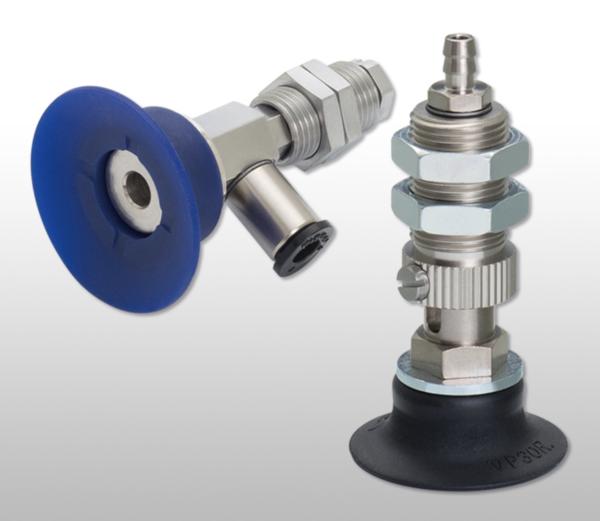
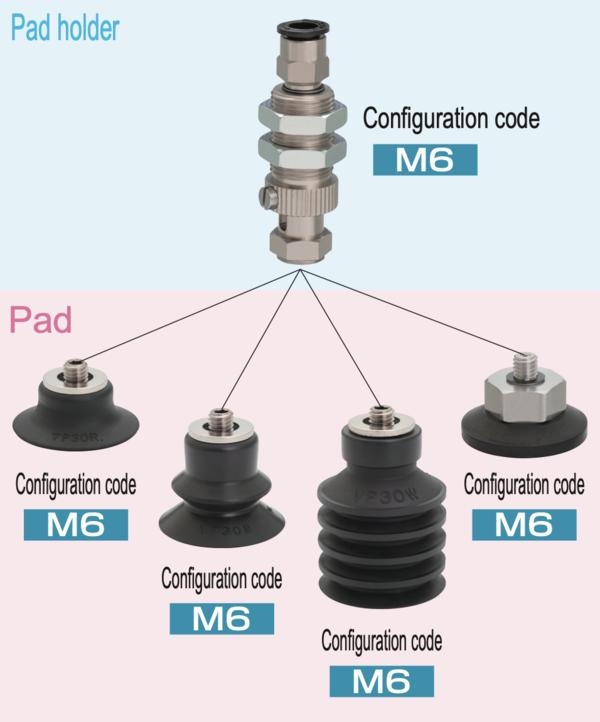
Vacuum Suction Cups Supplier: Complete Guide for Industrial Purchase, Design, and Maintenance Introduction In modern manufacturing and automation, vacuum suction cups play a crucial role in material handling, robotics, packaging, and assembly lines. Industrial buyers, design engineers, and maintenance professionals increasingly depend on reliable vacuum suction cups suppliers to ensure productivity, safety, and consistent performance in automated processes. Vacuum suction cups are essential components used with vacuum generators or pumps to grip, lift, and move objects without mechanical clamps. They are widely applied in industries such as electronics, automotive manufacturing, logistics, packaging, food processing, and pharmaceuticals. Selecting the right vacuum suction cups supplier is critical for companies seeking durability, performance, and cost efficiency in their automation systems. This comprehensive guide explains how vacuum suction cups work, how to select the right supplier, key design considerations, purchasing strategies, and maintenance best practices for industrial applications. What Are Vacuum Suction Cups? Vacuum suction cups are end-of-arm tooling (EOAT) components used in vacuum handling systems. They operate using negative pressure created by vacuum pumps or ejectors. When air is removed between the suction cup and the object surface, atmospheric pressure pushes the cup firmly against the object, creating a strong gripping force. The vacuum difference between internal pressure and surrounding atmospheric pressure generates the holding force that allows machines or robots to lift and move objects safely. Key Components of a Vacuum Handling System A typical industrial vacuum handling system consists of: Vacuum suction cup Vacuum generator or vacuum pump Tubing and fittings Vacuum sensors or gauges Mounting brackets and connectors These components work together to create a reliable material-handling solution widely used in factory automation. Why Industrial Companies Need Reliable Vacuum Suction Cups Suppliers For industrial buyers and automation integrators, choosing the right supplier ensures: 1. Consistent Quality Industrial suction cups must maintain reliable grip strength during continuous operation. Poor-quality products may lead to product drops, machine downtime, and production losses. 2. Wide Product Range A good supplier provides multiple types of suction cups for different surfaces and materials, including: Flat suction cups Bellows suction cups Foam suction cups Oval suction cups Deep suction cups 3. Technical Support Engineering teams require guidance on selecting the correct cup size, material, and vacuum system configuration. 4. Custom Automation Solutions OEMs and automation integrators often need customized vacuum grippers or complete vacuum handling systems. Industrial Applications of Vacuum Suction Cups Vacuum suction cups are widely used across multiple industries because they allow non-damaging handling of delicate products. 1. Robotics and Automation Industrial robots frequently use suction cups for pick-and-place operations. The system enables robots to grab, transfer, orient, and place components accurately during production. Applications include: Electronics assembly PCB handling Smartphone manufacturing Semiconductor handling 2. Packaging Industry In packaging automation, suction cups are used for: Carton handling Bottle loading Case packing Label placement Vacuum systems help increase speed and accuracy in packaging operations. 3. Automotive Manufacturing Automotive factories use vacuum suction cups for handling: Car body panels Glass windshields Interior components Metal sheets The technology ensures smooth and scratch-free handling. 4. Logistics and Warehouse Automation Automated warehouses use suction cups to move: Cartons Packages Plastic containers Paper rolls This improves warehouse efficiency and reduces manual labor. 5. CNC Machine Automation Vacuum suction cups automate loading and unloading of parts in CNC machining centers, improving operator safety and productivity. Types of Vacuum Suction Cups Used in Industry Selecting the correct type of suction cup depends on workpiece material, shape, and surface conditions. 1. Flat Vacuum Cups Best suited for: Smooth surfaces Glass Metal sheets Plastic panels These cups provide strong holding force for flat objects. 2. Bellows Vacuum Cups Bellows cups offer flexibility and shock absorption, making them ideal for: Irregular surfaces Height variations Automated packaging 3. Foam Vacuum Cups Foam cups are used for: Rough surfaces Wood panels Cardboard boxes They can handle porous materials with better sealing. 4. Oval Vacuum Cups Oval cups are designed for narrow surfaces such as: Long cartons Profiled components Small parts handling

68179d65be22ee500d53ff54 Card 2

product image
1000

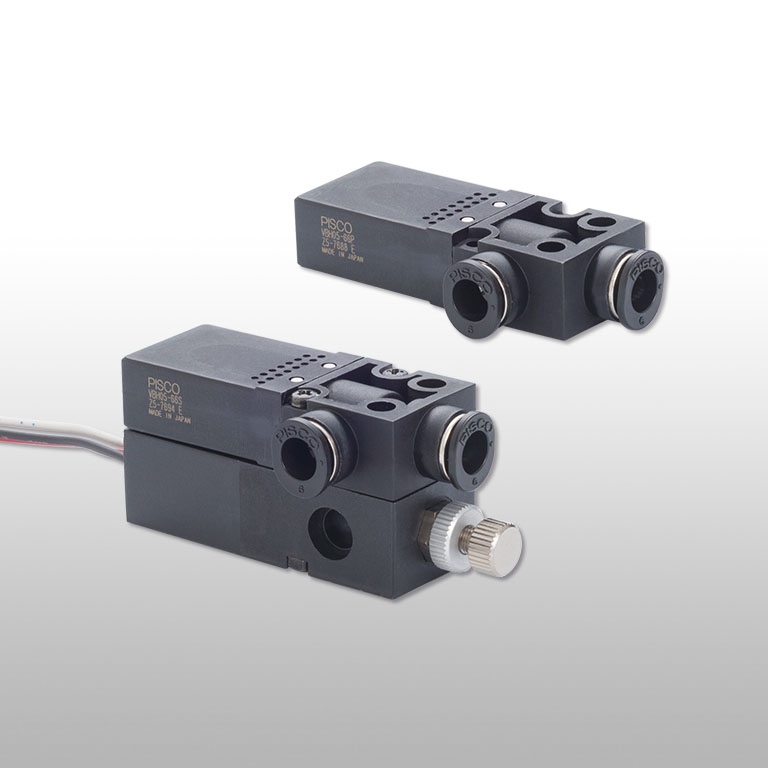
The PISCO Japan VBH12-66P Vacuum Generator VB is a high-performance pneumatic vacuum generator engineered for industrial automation and material handling applications. Designed for reliability and compact installation, this model converts compressed air into a powerful vacuum source, enabling efficient gripping, conveying, and positioning in pick-and-place systems. With a suction flow of approximately 38 L/min (ANR) and a maximum vacuum of around -93 kPa, the VBH12-66P delivers strong vacuum performance at moderate supply pressures (0.15–0.7 MPa). It features 6 mm ports for both vacuum and air supply, making it compatible with standard pneumatic tubing in automation lines. This unit’s compact, lightweight design (~18 g) supports installation directly between solenoid valves and vacuum pads without bulky hardware. Its construction using PBT resin and brass with nickel plating ensures durability under continuous use, while RoHS2 compliance reinforces its suitability for modern automated systems. Engineers will appreciate the availability of CAD data from the manufacturer for seamless integration into system designs, aiding rapid prototyping and accurate layout planning. Ideal for packaging, assembly, and semiconductor handling, the VBH12-66P is a dependable vacuum generator that balances performance with ease of installation and long-term reliability. You can call IBK Engineers Pvt Ltd in India

68179d65be22ee500d53ff54 Card 2

product image
Pisco Pneumatic

Vacuum Suction Cups for Automation: A Practical Guide for Engineers and Maintenance Teams In modern automated manufacturing, vacuum suction cups are essential end-of-arm tooling components used in material handling, robotics, and pick-and-place systems. Selecting the right suction cup and maintaining it properly can significantly improve system reliability, throughput, and product quality. What Are Vacuum Suction Cups? Vacuum suction cups are flexible sealing elements that use negative pressure to grip and lift objects. They are typically mounted on robotic arms, gantry systems, or vacuum lifters and connected to a vacuum generator (pump or venturi). When air is evacuated from beneath the cup, the resulting pressure differential creates a grip on the workpiece surface. Key Design Considerations 1. Material Compatibility Suction cups are made from elastomers such as NBR (nitrile), silicone, EPDM, and PU. NBR: Good general-purpose choice—oil and abrasion resistant. Silicone: Excellent for high-temperature applications and delicate surfaces. EPDM: Weather and ozone resistant—ideal for outdoor or humid environments. PU: Long life in abrasive applications. Design engineers should match material properties to surface type, temperature range, and chemical exposure. 2. Shape and Geometry The shape affects seal performance and adaptability: Flat cups: Best for smooth, flat surfaces. Bellows cups: Provide flexibility for uneven or angled surfaces. Oval/rectangular cups: Useful for long or odd-shaped parts. Correct geometry ensures maximal contact area and stable grip force. 3. Size and Surface Contact Suction cup diameter influences holding force: Larger cups increase force but require more vacuum volume. Small cups are faster to actuate and ideal for rapid cycles. Engineers must balance force needs against system vacuum capacity. Integration with Automation Systems Vacuum cups must be integrated with: Vacuum generators (electric or pneumatic) Vacuum sensors and switches (for presence detection) Flow control valves (for precise control in multi-cup arrays) Proper control and feedback ensure repeatable pick-and-place performance and reduce cycle times. Maintenance Best Practices Routine maintenance extends suction cup life and prevents downtime: Inspect for wear and tear: Replace cups showing cuts, tears, or deformation. Clean surfaces regularly: Dust and debris reduce seal quality and holding force. Check vacuum levels: Use sensors to verify adequate vacuum and detect leaks. Monitor cycle counts: Replace cups proactively based on usage cycles. Common Failure Modes Air leaks around the seal due to dirt or wear Material degradation from heat, chemicals, or UV exposure Loss of grip force due to improper sizing or vacuum supply limitations Conclusion Vacuum suction cups are simple in concept but critical in automation. Right selection, correct integration, and consistent maintenance ensure high productivity and reduced unplanned downtime. For engineers and maintenance teams alike, understanding suction cup behaviour and limitations is key to robust automated handling systems.

68179d65be22ee500d53ff54 Card 2

product image
Pisco Pneumatic

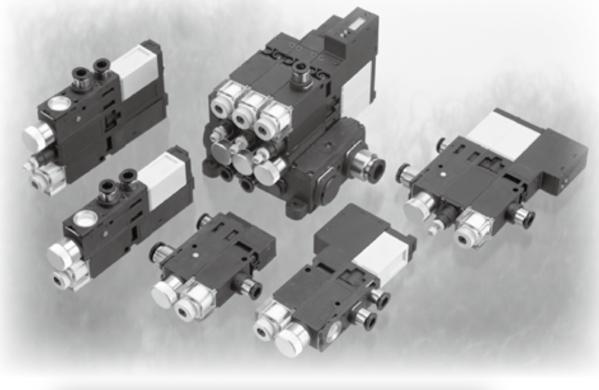
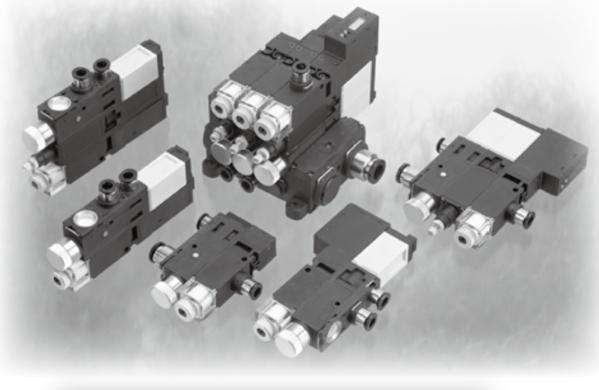
Vacuum Generators for Automation: A Practical Guide for Design & Maintenance Engineers Vacuum generators play a critical role in modern industrial automation, especially in pick-and-place systems, robotic handling, packaging, CNC loading, and material transfer. By converting compressed air into vacuum, these compact devices enable fast, reliable, and energy-efficient gripping without complex mechanical systems. What Is a Vacuum Generator? A vacuum generator (also called an ejector) uses the Venturi principle to create vacuum. When compressed air passes through a specially designed nozzle, it accelerates and creates a low-pressure zone, which generates suction. This vacuum is then used with suction cups or vacuum pads to lift, hold, or move objects. Compared to vacuum pumps, vacuum generators are lighter, faster, and maintenance-friendly, making them ideal for decentralized automation setups. Key Advantages in Automation Systems For design engineers, vacuum generators offer several important benefits: Compact design: Easily integrated close to the point of use, reducing vacuum loss. Fast response time: Ideal for high-cycle robotic and packaging applications. Scalability: One generator per suction cup or zone for better control. No moving parts: Higher reliability and longer service life. For maintenance engineers, these features translate into fewer breakdowns, simple troubleshooting, and minimal downtime. Selection Criteria for Design Engineers Choosing the right vacuum generator is essential for system efficiency: Air consumption vs. vacuum flow: Optimize to reduce compressed air costs. Vacuum level: Higher vacuum is needed for smooth or airtight materials like glass or metal sheets. Integrated functions: Models with built-in vacuum switches, blow-off, or silencers simplify system design. Material compatibility: Aluminum, resin, or stainless steel options for food, pharma, or corrosive environments. Proper sizing at the design stage prevents energy wastage and ensures consistent performance. Maintenance & Reliability Considerations From a maintenance perspective, vacuum generators are easy to manage: Minimal wear parts: No motors or rotating elements. Clog-resistant designs: Built-in filters protect against dust and debris. Quick replacement: Plug-and-play fittings reduce service time. Predictive maintenance: Vacuum sensors help detect leaks or suction loss early. Regular inspection of air quality, filters, and suction cups significantly improves system uptime. Typical Industrial Applications Vacuum generators are widely used across industries: Packaging and carton handling Automotive body and component handling Electronics and PCB assembly Sheet metal and glass handling Plastic injection molding part removal Their flexibility makes them suitable for both light and heavy automation tasks. Conclusion Vacuum generators are a smart choice for automation engineers looking for efficient, compact, and reliable vacuum solutions. With correct selection and basic maintenance practices, they deliver long service life, energy savings, and high system productivity. For both design and maintenance teams, vacuum generators simplify automation while ensuring consistent and precise material handling.

68179d65be22ee500d53ff54 Card 2

product image
Pisco Pneumatic

Vacuum Ejectors for Automation: A Complete Guide for Engineers in India In industrial automation, vacuum technology plays a critical role in material handling, packaging, robotics, and pick-and-place systems. Among various components, the vacuum ejector is one of the most reliable, compact, and energy-efficient solutions for generating vacuum pressure without requiring bulky pumps. For engineers and purchasing professionals in India, understanding the types, working principles, design considerations, and applications of vacuum ejectors can help in choosing the right product for high-performance automation systems. 1. What is a Vacuum Ejector? A vacuum ejector, also known as a venturi ejector, uses compressed air to generate vacuum. It works on the Venturi principle, where air flow through a narrowing nozzle causes a pressure drop, creating suction. This vacuum can then be used to grip, lift, or transport workpieces via suction cups or vacuum grippers. Advantages of vacuum ejectors: Compact and lightweight design. No moving parts → low maintenance and long service life. Fast response time, ideal for robotic and automated processes. Easy integration with suction cups, filters, and sensors. Cost-effective compared to large vacuum pumps. 2. Types of Vacuum Ejectors Engineers should consider different designs of ejectors to match their application needs: Single-Stage Ejectors Working: One nozzle generates vacuum. Advantages: Compact, lightweight, inexpensive. Applications: Small pick-and-place units, lightweight material handling. Multi-Stage Ejectors Working: Multiple nozzles arranged in series to increase vacuum efficiency. Advantages: Higher flow rate, better performance at lower air consumption. Applications: Handling porous materials (wood, textiles, foam), packaging, automotive assembly. Inline Ejectors Design: Integrated directly into the vacuum line. Advantages: Saves space, reduces tubing length, minimizes leakage. Applications: Robotics, end-of-arm tooling, compact automation systems. Cartridge Ejectors Design: Modular, can be embedded in custom manifolds or tooling. Advantages: Flexible design, multiple ejectors in one block, efficient for large systems. Applications: Electronics assembly, packaging lines, multi-cup systems. 3. Key Design Features Engineers Should Consider When selecting a vacuum ejector, engineers must evaluate: Air Consumption: Efficiency depends on compressed air usage. Low consumption = lower operating costs. Vacuum Level: Deeper vacuum levels are needed for non-porous or heavy objects. Evacuation Speed: Determines how quickly the ejector reaches required vacuum levels. Noise Levels: Consider silencers or low-noise models for worker safety. Control Options: Models with built-in solenoid valves and sensors allow smarter control in automated systems. Mounting Flexibility: Inline, manifold, or modular options depending on space availability. 4. System Components with Vacuum Ejectors A reliable automation setup requires more than just an ejector. A complete vacuum system typically includes: Vacuum Suction Cups: For gripping surfaces of various shapes and textures. Filters: Prevent dust and debris from entering ejectors. Vacuum Switches & Sensors: For monitoring vacuum levels in real-time. Tubing & Connectors: Ensure minimal leakage and stable suction. 5. Applications of Vacuum Ejectors in Indian Industries Vacuum ejectors are widely used across industries in India, especially in automation-driven manufacturing units: Automotive: Handling sheet metal, glass, dashboards, and bumpers. Electronics: Pick-and-place for circuit boards and delicate parts. Food & Beverage: Hygienic handling of packaged goods, bottles, and cartons. Pharmaceuticals: Blister packaging, sterile material handling. Logistics & E-commerce: Carton packing, labeling, robotic sorting. 6. Why Vacuum Ejectors are Preferred in Automation Low maintenance: No moving parts reduce breakdown risks. Energy efficiency: Modern multi-stage ejectors optimize compressed air usage. Flexibility: Suitable for both centralized and decentralized vacuum systems. Compact integration: Perfect for robotic arms and end-of-arm tooling in cobots and industrial robots. 7. Vacuum Ejector Suppliers and Dealers in India Engineers and buyers in India can source high-quality vacuum ejectors from trusted dealers, distributors, and exporters specializing in pneumatic automation products. Brands like Pisco, SMC, Schmalz, Piab, Festo, and Bosch Rexroth are widely available through authorized suppliers. When sourcing, always check for: After-sales support and spare availability. Compatibility with suction cups and fittings. Technical consultation for system design. Conclusion Vacuum ejectors are a vital component in automation systems, offering engineers in India a cost-effective, compact, and efficient solution for creating a vacuum. By understanding the material handling requirements,

68179d65be22ee500d53ff54 Card 2

product image
Pisco Pneumatic

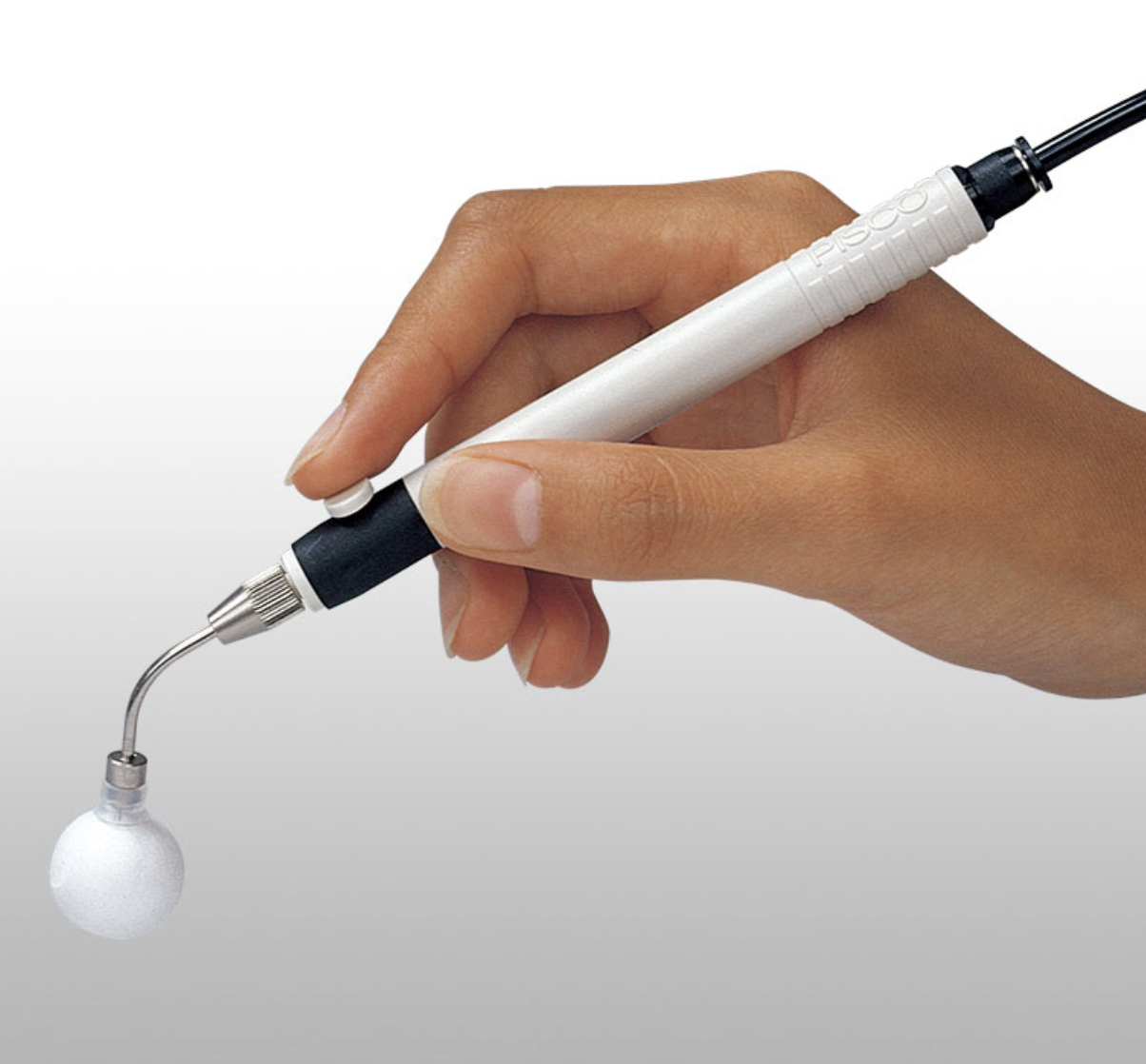
Vacuum Ejector Built-in Suction Pad Air Tweezers The Perfect Solution for Precision Handling In modern production and assembly lines, handling small and delicate parts such as diamonds, jewellery components, electronic IC chips, watches, phones, toys, and miniature screws requires advanced tools that combine efficiency with care. One such innovative tool is the Vacuum Ejector Built-in Suction Pad Air Tweezer, designed for industries where precision, cleanliness, and speed are critical. What is a Vacuum Ejector Built-in Suction Pad Air Tweezer? These air tweezers integrate a mini vacuum ejector with a suction pad, allowing operators or robotic systems to pick and place tiny components without causing scratches, marks, or static damage. Unlike traditional tweezers, which rely on manual pressure, air tweezers use compressed air and the Venturi effect to generate vacuum instantly. This ensures smooth lifting, stable gripping, and gentle release of sensitive parts. Key Applications The vacuum ejector suction pad tweezers are widely used across multiple industries: Diamond & Jewelry Industry – Safe handling of precious stones and delicate metal pieces without leaving fingerprints or marks. Electronics Manufacturing – Efficient pick-and-place of IC chips, circuit boards, and semiconductors without static discharge. Watch & Phone Assembly – Handling of precision parts like gears, glass screens, and connectors. Toy & Consumer Goods Production – Quick and safe placement of tiny screws, clips, and molded parts. Medical & Laboratory Equipment – Gentle handling of micro-components for medical device assembly. Benefits of Using Vacuum Air Tweezers Precision & Reliability – Stable suction ensures parts do not slip during handling. Non-Marking & Anti-Static – Essential for diamonds, polished metals, and electronic components. Compact & Lightweight – Easy to use for both manual operators and automated robots. Cost-Effective Production – Reduces damage, improves yield, and increases productivity. Versatility – Compatible with various suction pad sizes and materials (silicone, urethane, non-marking). Why Manufacturers Prefer Vacuum Suction Pad Tweezers In Bangalore, Chennai, Hyderabad, Pune, Mumbai, Ahmedabad, and Delhi, precision industries are increasingly shifting to vacuum ejector air tweezers for small component handling. With imported Japanese technology from brands like Pisco, these tools ensure long life, stable operation, and low air consumption, making them ideal for mass production setups. Conclusion Whether you are in electronics assembly, jewellery making, diamond processing, watch repair, or phone manufacturing, the Vacuum Ejector Built-in Suction Pad Air Tweezer is the wise choice for precision, safety, and efficiency. By adopting this advanced handling tool, industries can reduce errors, enhance product quality, and expedite production.

68179d65be22ee500d53ff54 Card 2

product image
Pisco Pneumatic

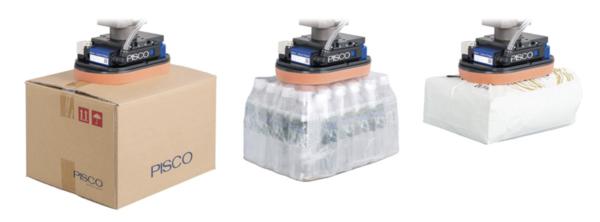
Gemini said High-Performance Vacuum Suction Cups: The Heart of Robotic Automation In the world of high-speed packaging, the smallest component often carries the heaviest load. Vacuum suction cups are the critical interface between a robotic arm and the product, determining the speed, safety, and reliability of an entire production line. Precision Engineering for Packaging Whether you are handling porous cardboard, flexible pouches, or delicate glass, selecting the right material is paramount. Silicone: Ideal for extreme temperatures and food-grade applications. Nitrile (NBR): The workhorse for oily environments or heavy-duty wear. Polyurethane: Offers maximum tear resistance for high-friction movements. Optimizing Robotic Efficiency Modern vacuum suction cups for robots are designed to minimize “cycle time.“ Using bellows-style cups provides a “lifting“ effect that compensates for height differences and uneven surfaces, while flat cups offer the stability needed for high-acceleration “pick and place“ tasks. +1 Why EEAT Matters in Vacuum Technology When sourcing industrial components, Experience and Expertise are non-negotiable. Using sub-standard cups leads to “drop incidents,“ increasing downtime and cost. Leading manufacturers now integrate sensing technology directly into the vacuum manifold to provide real-time feedback on seal integrity.

68179d65be22ee500d53ff54 Card 2

product image
Pisco Pneumatic

Pneumatic Fittings: The Backbone of Reliable Automation in OEM, Robotics, and Industrial Systems In modern industrial automation, even the smallest component can determine the reliability of an entire system. Pneumatic fittings are one such critical component. These connectors ensure leak-free, efficient air flow between pneumatic tubes, valves, cylinders, vacuum generators, and other automation devices. For OEM manufacturers, design engineers, maintenance teams, and industrial owners, choosing the right pneumatic fitting directly impacts machine performance, safety, and long-term operational cost. What Are Pneumatic Fittings? Pneumatic fittings are connectors used to join compressed air lines in pneumatic systems. They connect tubes, hoses, valves, actuators, regulators, and vacuum equipment. These fittings are designed to provide secure connections that prevent air leakage while allowing easy installation and maintenance. Common materials include brass, nickel-plated brass, stainless steel, and engineering plastic, depending on the application environment. In automation industries, push-in fittings are widely used because they enable quick installation without special tools. Why Pneumatic Fittings Are Critical in Automation In industries such as robotics, electronics manufacturing, packaging, automotive assembly, and machine building, compressed air systems operate continuously. A poor-quality pneumatic fitting can lead to air leakage, pressure loss, and production downtime. High-quality pneumatic fittings provide: Leak-free connections for stable air pressure Fast installation during machine assembly Easy maintenance during servicing Compact design for modern automation equipment Long service life in harsh industrial environments For OEM machine builders, selecting the right fittings ensures machines meet global quality and reliability standards. Types of Pneumatic Fittings Used in Industry Industrial pneumatic systems use several types of fittings depending on machine design and tubing layout. 1. Push-in Fittings The most common fittings used in automation. They allow quick tube insertion and secure locking. 2. Elbow Fittings Used when air tubes must change direction, especially in compact machines or robot arms. 3. Tee Fittings These fittings split airflow into two directions and are often used in multi-cylinder automation systems. 4. Straight Connectors Used to extend pneumatic tubing lines or connect two tubes together. 5. Bulkhead Fittings Designed to pass air lines through panels or machine frames.

68179d65be22ee500d53ff54 Card 2

product image
Pisco Pneumatic

Cleanroom-Ready Pneumatics Components from Pisco: A Guide for Engineers and Maintenance Teams In advanced automation systems—particularly in semiconductor, pharmaceutical, biotech, electronics, and precision assembly sectors—pneumatic components must meet stringent cleanliness, reliability, and performance standards. Pisco, a globally recognized Japanese manufacturer, offers cleanroom-ready pneumatic components engineered to support these demanding environments with excellent integration into robotic systems and automated production lines. Cleanroom-ready variants of Pisco components, including fittings, tubing, and connectors, are manufactured, pre-cleaned, and packaged under controlled conditions to minimize particulate generation and contamination. These components are ideal for ISO-classified cleanrooms or environments where even minute contamination can disrupt processes or damage products. Critical elements include ultra-clean polyurethane and nylon tubes designed for minimal abrasion and outgassing—an important factor for equipment exposed to high-precision robotic handling or vacuum systems. This controlled purity ensures smooth airflow, reduced downtime from contamination, and easier lifecycle maintenance for engineers. For fluid and air distribution, high-quality cleanroom-package fittings such as Pisco PC4‑02 Pneumatic Straight Fitting and PISCO Pneumatic Elbow Connector PL4‑M5 offer compact, leak-resistant connections that simplify machine layout and reduce service time. Advanced flow control valves like Pisco JSC6‑M5A Pneumatic Speed Controller help tune actuator motion precisely—critical for robot end-of-arm tooling and synchronized motion in assembly cells. Additional options such as Pisco Pneumatic Branch Tee and Pisco JSC4‑M5A Pneumatic Speed Controller allow flexible network designs that support modular system upgrades. For design engineers, these cleanroom-ready components mean predictable performance, easier integration with PLC-based controls, and reduced lifecycle costs. Maintenance teams benefit from quick-connect design features, leak-proof joints, and standardized modules, which significantly cut down replacement times and unscheduled downtime. Together, these characteristics make Pisco’s cleanroom pneumatic portfolio a strong choice for modern robotic and automated systems requiring ultra-clean, reliable pneumatic solutions.

Still searching for
vacuum systems?