Introduction
Vacuum gripper systems are an essential part of modern automation and robotic handling solutions. They serve as the link between the machine and the workpiece, enabling precise, efficient, and gentle lifting or placement of objects using suction.
In Indian industries—especially packaging, automotive, electronics, and food processing—vacuum grippers are replacing manual handling to improve productivity, consistency, and worker safety. This guide explains how vacuum grippers work, how to choose the right type for your application, and which global brands dominate the Indian market.
What Is a Vacuum Gripper System?
A vacuum gripper system uses negative pressure (vacuum) to create a suction force strong enough to hold and move objects. It generally consists of:
Vacuum suction cups or pads that contact the surface
Vacuum generators or ejectors that create negative pressure
Control valves, filters, and sensors for operation safety and monitoring
When activated, the vacuum reduces pressure beneath the suction cup, allowing atmospheric pressure to push the object against the gripper — providing a secure hold until release.
Working Principle of Vacuum Grippers
The working principle is simple yet powerful:
The vacuum generator removes air between the suction cup and workpiece.
Atmospheric pressure outside the cup presses the workpiece against the gripper.
When the vacuum is released, the object is dropped or transferred.
This technology allows handling of flat, curved, porous, or uneven surfaces, making it a universal gripping method across industries.
Types of Vacuum Grippers
Different designs serve different material handling needs:
1. Single-Cup Grippers
Used for small, lightweight components in pick-and-place or assembly systems.
2. Multi-Cup Grippers
Feature multiple suction cups mounted on a frame — ideal for large panels, glass, or packaging sheets.
3. Foam or Area Grippers
Use a perforated foam pad that grips multiple or irregular-shaped products simultaneously, common in palletizing and logistics.
4. Hybrid Grippers (Mechanical + Vacuum)
Combine vacuum suction with mechanical fingers for secure handling of heavy or porous items.
5. Soft Robotic Grippers
Made of flexible silicone materials, these are designed for food, medical, and delicate product handling where gentle contact is essential.
Selection Guide – How to Choose the Right Vacuum Gripper
Choosing the correct vacuum gripper system depends on several key factors:
Workpiece Material & Surface Type
Smooth or rough, porous or sealed surface.
Example: Use foam grippers for uneven or mixed surfaces.
Weight & Size of the Workpiece
Determines suction capacity and cup size.
Operating Environment
Consider temperature, dust, and cleanliness (e.g., cleanroom vs. factory).
Cycle Time & Speed
Fast cycles require high vacuum flow and responsive valves.
Vacuum Generation Method
Pneumatic ejector (compressed air) or electric pump (energy efficient).
Compliance Standards
Food-grade (FDA compliant) or ESD-safe versions for electronics.
A proper selection ensures high efficiency, lower energy costs, and long product life.
Top Vacuum Gripper Brands in India
India’s automation sector is supported by several trusted global brands offering high-performance vacuum components:
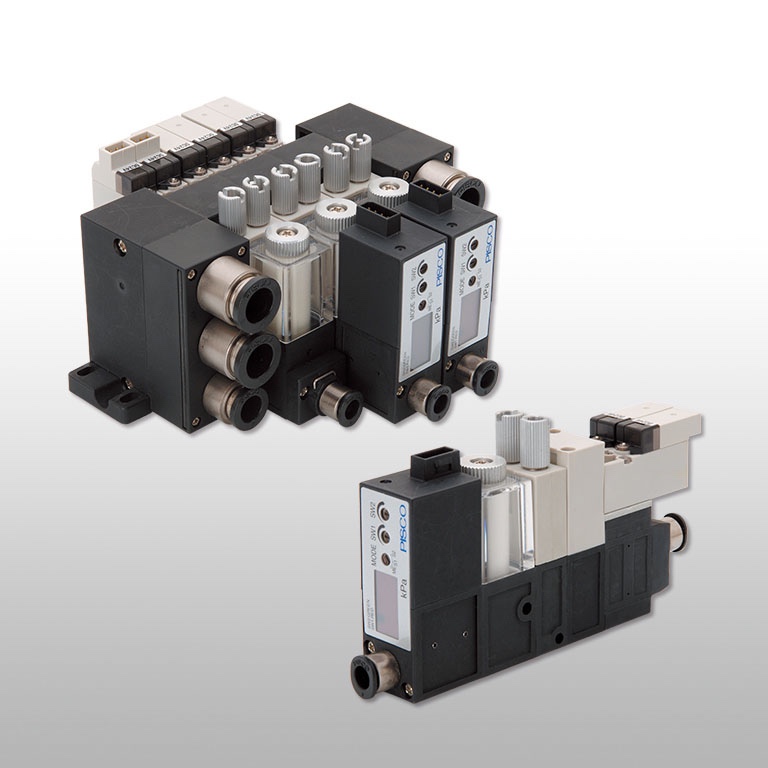
PISCO (Japan) – Precision-engineered vacuum pads, ejectors, and fittings with cleanroom-ready options.
Schmalz (Germany) – Industry leader in vacuum technology with advanced area grippers and smart vacuum systems.
Piab (Sweden) – Innovative COAX® vacuum technology and lightweight robot-compatible grippers.
Festo (Germany) – Offers modular vacuum automation solutions for industrial robots.
SMC (Japan) – Compact and reliable vacuum generators and suction cups for high-speed automation.
Coval (France) – Energy-efficient vacuum pumps and grippers ideal for packaging and palletizing.
Each brand offers specialized models for diverse needs — from mini vacuum pads to complex robotic end-of-arm systems.
Advantages of Using Vacuum Gripper Systems
Versatile & Gentle Handling: Ideal for fragile, smooth, or flexible items.
High-Speed Operation: Supports rapid automation cycles.
Energy Efficient: Modern ejectors reduce compressed air usage.
Compact & Lightweight: Easier integration with robotic arms.
Low Maintenance: Fewer moving parts reduce wear and downtime.
Conclusion
Vacuum gripper systems are the backbone of efficient robotic and automated material handling in India. Whether in packaging, automotive, or electronics production, these systems provide the precision, reliability, and flexibility needed for today’s high-performance industries.
By selecting the right vacuum gripper type and partnering with trusted brands like PISCO, Schmalz, Piab, Festo, SMC, or Coval, Indian manufacturers can achieve smoother automation, reduced costs, and improved productivity.