Indore
08048074402
+919880566644

Products

product image
Pisco Pneumatic

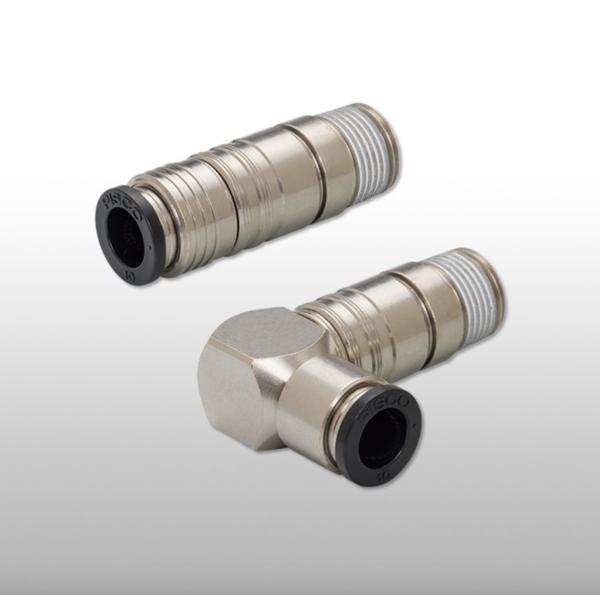
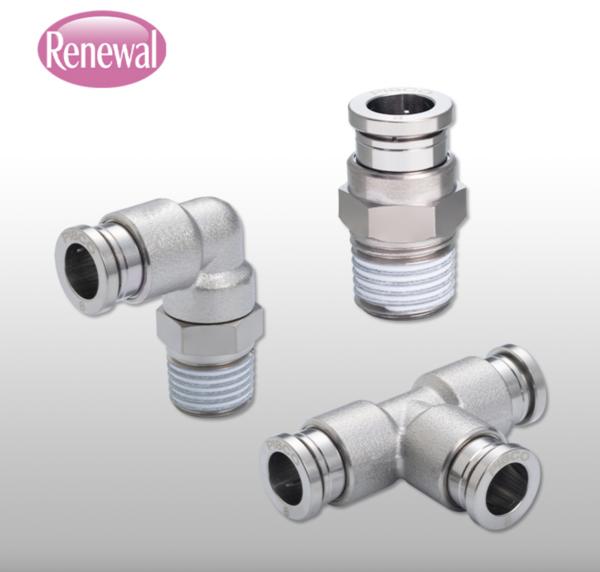
Brass High-Pressure Push-In Fittings Now Available in India Technical Perspectives on Die Design, Die Maintenance & Injection Molding Benefits Push-in fittings have long been integral components of pneumatic, fluid handling, and automation systems. With Brass High-Pressure Push-In Fittings now becoming available in India, design engineers and production teams have a powerful new option that combines strength, reliability, and ease of assembly. This article explores the technical aspects of integrating these fittings into plastic part production—specifically in relation to die design, die maintenance, and injection molding processes—along with the core benefits of brass high-pressure push-in fittings. 1. Introduction to Brass High-Pressure Push-In Fittings Push-in fittings are connectors that allow tubes and hoses to be connected to pneumatic or fluid systems without the need for threaded or clamped joints. Traditional push-in fittings are often made from composite or lower-grade metals. Brass high-pressure variants, by contrast, bring enhanced strength and durability, especially suitable for heavy duty industrial applications requiring elevated operating pressures and frequent connect/disconnect cycles. 2. Relevance to Die Design & Injection Molding When designing dies and injection molded parts that incorporate fluid or pneumatic connections, engineers must consider multiple factors: 2.1 Compact & Precise Integration High-pressure brass push-in fittings are compact and standardized, making them easier to integrate into molded parts without redesigning entire manifolds. In applications such as: Pneumatic manifold blocks Multi-port fluid panels Automated actuator interfaces these fittings help maintain tight dimensional tolerances in molded parts. 2.2 Material Compatibility During injection molding, design engineers often encounter issues related to material shrinkage, thermal expansion, and molding stresses around insert features. Using brass fittings: Provides dimensional stability Reduces the risk of deformation around connection points Minimizes post-molding rework 2.3 Mold-In Place Inserts Brass fittings can be incorporated as mold-in place inserts. Die designers can create cavities or housings to press fit, overmold, or encapsulate these fittings with engineering polymers, ensuring: Leak-proof seals Structural strength Precise alignment with external tubing 3. Die Maintenance (Die Matinee) Considerations Proper die maintenance ensures consistent part quality, reduces downtime, and protects expensive tooling. High-pressure brass push-in fittings can influence maintenance processes in the following ways: 3.1 Reduced Wear on Tooling Precision-made brass fittings reduce vibration and stress on contacting die surfaces. Brass does not gall or corrode parts of the mold as aggressively as some metals under high loads. 3.2 Simplified Cleaning In dies where pneumatic controls or cooling circuits are integrated, brass push-in fittings enable: Easy disassembly of supply lines for cleaning Quicker replacement of compromised tubing without removing entire manifolds 3.3 Fewer Die Failures With robust high-pressure connections: Leakage inside the die cavity is minimized Cooling channel performance is stabilized The die experiences less thermal variation due to stable fluid delivery 4. Injection Molding Process Benefits In production environments where speed, repeatability, and reliability matter, brass high-pressure push-in fittings contribute the following benefits: 4.1 Higher Operating Pressure Capability Brass fittings typically handle much higher working pressures compared to plastic or composite alternatives, enabling: Higher force pneumatic actuators Denser cooling circuits Greater process control in hot runner systems 4.2 Enhanced Chemical & Temperature Resistance Brass resists: Corrosion from coolant additives Thermal cycling This translates to longer lifetime in high-temperature mold environments. 4.3 Ease of Assembly Push-in design allows operators to: Connect tubing quickly Eliminate threaded assembly tools Reduce assembly time and human error 5. Specific Benefits of Brass High-Pressure Push-In Fittings Benefit Impact on Manufacturing Strength & Durability Reduced replacement costs; withstands industrial environments High Pressure Handling Supports advanced automation and fluid control systems Corrosion Resistance Longer lifespans, especially in cooling/fluid systems Ease of Installation Faster setup, reduced labor, lower assembly error Reusability Lower total cost of ownership (TOC) over multiple cycles Reliable Sealing Minimizes leaks that can degrade part quality 6. Applications in Indian Manufacturing With these brass fittings now available locally in India, several sectors stand to benefit: Automotive & Auto Components Pneumatic controls, cooling circuits, fuel line prototypes Industrial Automation Servo valves, actuators, robotic tooling Plastic Processing & Packaging Mold cooling networks,

product image
Pisco Pneumatic

Best Practices for Implementing Die / Moulds Temperature Control Fittings To maximize the benefits: ✔ Design with Thermal Simulation Use CAD/CAE tools (Moldflow, Cimatron, etc.) to plan channel placement and fitting positions before manufacturing. ✔ Use the Right Fluid Select heat transfer media (water, oil, glycol mix) based on process temperatures and thermal performance needed. ✔ Plan for Zonal Control Not all areas heat or cool at the same rate — design multiple circuits for balanced thermals. ✔ Maintain & Monitor Regularly Periodic inspection of seals, hoses, and fittings prevents unplanned downtime. Conclusion The availability of die temperature control fittings in India marks a significant step forward for the local plastics and tooling ecosystem. By improving thermal management, these components help achieve: Faster cycle times Higher product quality Lower scrap rates Better repeatability Reduced tooling costs For die designers, molders, and OEMs, this means greater competitiveness and higher production efficiency — without relying on costly imports.

product image
Hiwin

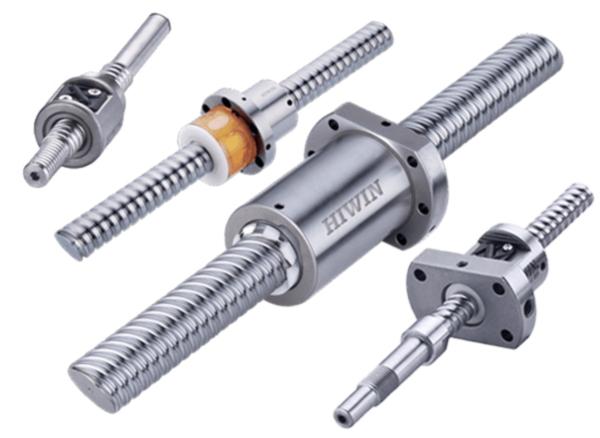
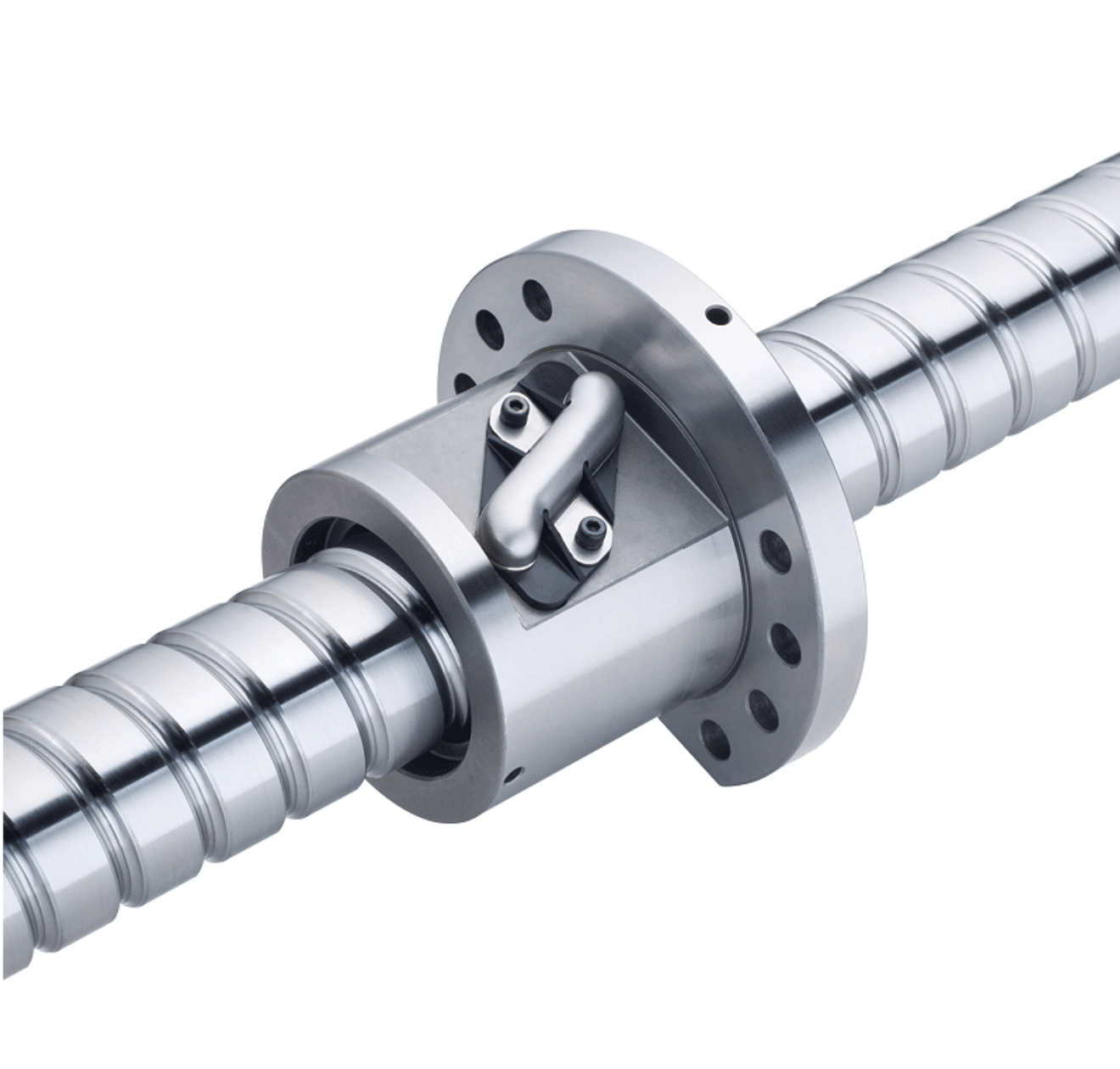
Premium HIWIN-Ball Screws 4R40-40 – Precision Linear Motion Solutions at IBK Engineers At IBK Engineers Pvt. Ltd., Bengaluru, we proudly stock genuine HIWIN-Ball Screws 4R40-40, the industry standard for high-performance linear motion systems in automation and precision machinery. As an authorized distributor of HIWIN products in India, IBK Engineers delivers quality, reliability and competitive pricing for manufacturers, OEMs and machine builders across sectors. Hiwin Dealer What Is the HIWIN-Ball Screw 4R40-40? The HIWIN-Ball Screw 4R40-40 series represents a robust ball screw solution with a 40 mm diameter and 40 mm lead, engineered for efficient conversion of rotary motion into smooth and accurate linear movement. Ball screws like 4R40-40 feature recirculating ball bearings that reduce friction, extend service life, and ensure superior positioning precision compared to lead screws — making them ideal for CNC machines, robotics, industrial automation, semiconductor equipment, and more. Hiwin Dealer

product image
Pisco Pneumatic

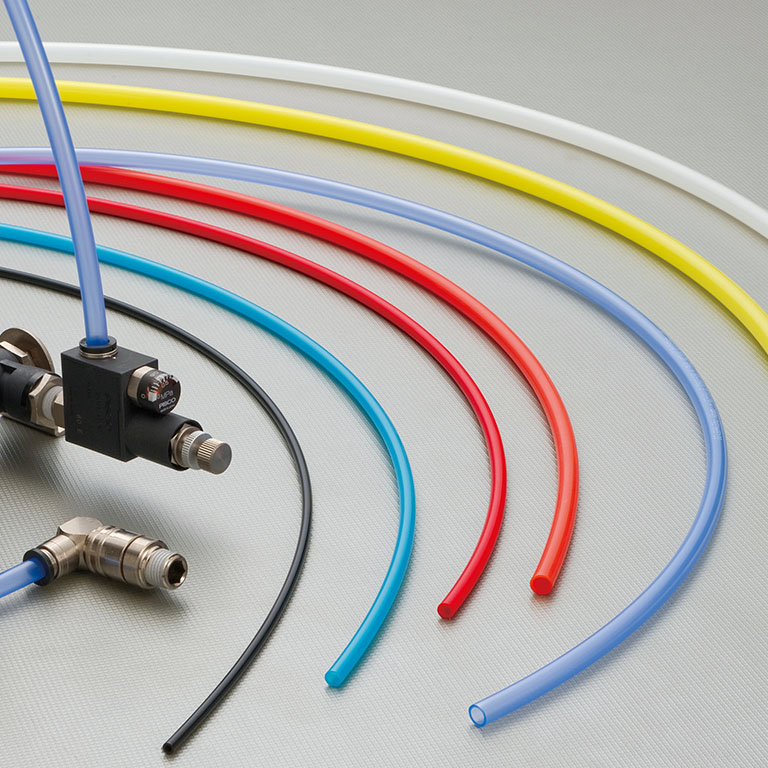
Upgrade your automation and fluid-handling systems with Pisco Polyurethane Tubes, engineered for high performance in air piping and water flow applications. Made from premium, food-grade polyurethane, these tubes deliver excellent flexibility, long life, and easy routing—perfect for compact piping layouts in factories, machines, and OEM assemblies. The smooth inner surface ensures stable flow, reduces pressure loss, and maintains hygiene standards required in food, beverage, packaging, and general industrial equipment. To support any application design, Pisco PU tubes are available in 10 vibrant colours for line identification and 14 size options in both inch and metric (mm) sizes, giving maximum compatibility with global fittings and machines. Whether you're setting up pneumatic circuits, water cooling lines, or precision automation equipment, Pisco’s Polyurethane Tube offers reliable performance, flexibility, and long-term durability—making it the trusted choice for engineers and maintenance teams.

product image
Pisco Pneumatic

PU Tubes: High-Performance Pneumatic Solutions for Indian Industries Polyurethane (PU) tubes are a cornerstone in modern pneumatic systems, offering unmatched flexibility, durability, and chemical resistance. Used extensively in automation, assembly lines, robotics, and industrial machinery, PU tubes deliver reliability and precision, which are critical for high-efficiency production environments. For Indian engineers and industrial users, understanding material properties, design features, and applications is key to selecting the right PU tubing for your pneumatic systems. 1. Why Polyurethane Tubes? Polyurethane tubes stand out for their combination of flexibility, abrasion resistance, and chemical stability. Unlike PVC or rubber tubes, PU tubes can handle frequent bending, vibration, and high-pressure pneumatic flows without deformation. Key Advantages: High flexibility for tight bends and compact layouts. Exceptional wear resistance for long-term operation. Low friction coefficient for smooth pneumatic flow. Good chemical and oil resistance for industrial environments. Lightweight and easy to install in automation setups. These properties make PU tubes ideal for sectors such as automotive manufacturing, packaging, electronics assembly, and food processing. 2. PU Tube Material Properties Different PU tube formulations allow engineers to match tube characteristics to specific industrial requirements: Standard PU Tubes Properties: Flexible, lightweight, and suitable for general pneumatic applications. Temperature Range: -20°C to +60°C. Applications: Pneumatic conveyors, pick-and-place machinery, and air distribution systems. Food-Grade PU Tubes Properties: Non-toxic, FDA-compliant, and resistant to oils and grease. Temperature Range: -20°C to +80°C. Applications: Food and beverage processing, pharmaceutical packaging, and medical automation. High-Performance PU Tubes Properties: Extra abrasion resistance, higher pressure tolerance, and UV resistance. Temperature Range: -30°C to +90°C. Applications: Heavy-duty industrial machines, robotics, and automotive pneumatic lines. 3. Design Features and Options PU tubes are available in various sizes, colors, and wall thicknesses, giving engineers flexibility in system design: Internal Diameter (ID) & Outer Diameter (OD): Matches fittings and ensures optimal air flow. Color Coding: Facilitates system organization and easy maintenance. Reinforced PU Tubes: Added strength for high-pressure pneumatic systems. Pre-Cleaned or Clean-Room PU Tubes: Suitable for semiconductor, pharmaceutical, and medical device manufacturing. 4. Key Applications of PU Tubes in India PU tubing is widely adopted across Indian industries for efficiency, reliability, and safety: Automation and Robotics: Smooth pneumatic flow for actuators, cylinders, and grippers. Packaging Industry: Food-grade tubes for filling, sealing, and conveying applications. Automotive Manufacturing: Durable PU tubes for assembly line automation and air-powered tools. Pharmaceuticals & Medical Devices: Cleanroom-ready tubes for contamination-free pneumatic transport. 5. Integrating PU Tubes into Pneumatic Systems A PU tube is only as effective as the system it serves. A complete pneumatic setup includes: Fittings & Connectors: Push-in fittings for fast, leak-proof connections. Vacuum Generators & Pumps: Ensure steady air or vacuum flow. Filters & Regulators: Maintain clean, pressurized airflow for optimal performance. Manifolds & Tubing Networks: Organize distribution for multiple actuators or cylinders. By selecting the right tube size, material, and accessories, engineers can maximize system efficiency, reduce maintenance, and extend equipment life. 6. Conclusion PU tubes are a versatile, durable, and reliable solution for pneumatic systems in Indian industries. By understanding the material properties, design options, and proper system integration, engineers can achieve high efficiency, longevity, and safety in their automation and pneumatic applications. Investing in quality PU tubes ensures smooth operations, reduces downtime, and delivers cost-effective performance for years.

product image
Pisco Pneumatic

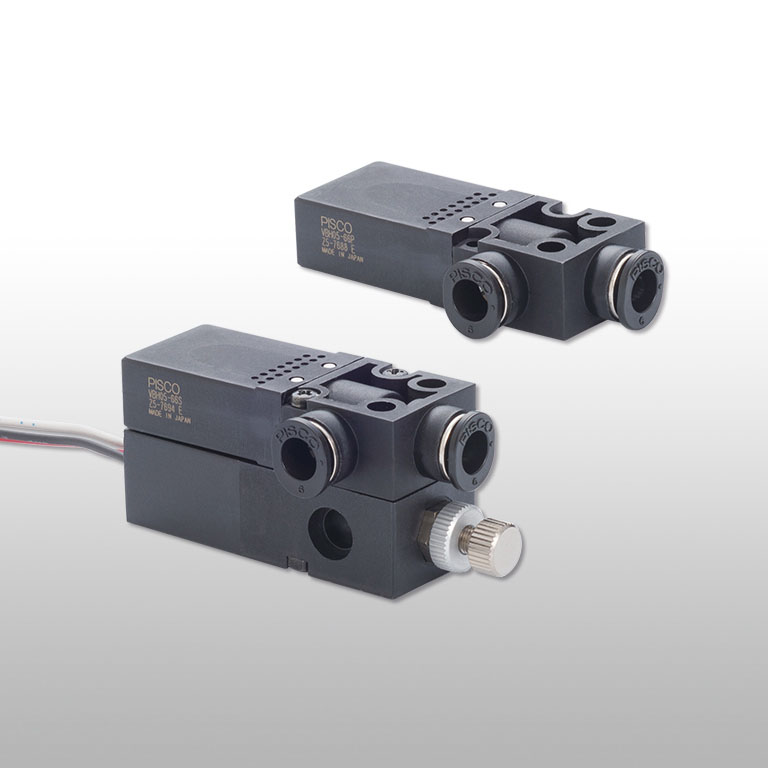
Vacuum Ejectors for Automation: A Complete Guide for Engineers in India In industrial automation, vacuum technology plays a critical role in material handling, packaging, robotics, and pick-and-place systems. Among various components, the vacuum ejector is one of the most reliable, compact, and energy-efficient solutions for generating vacuum pressure without requiring bulky pumps. For engineers and purchasing professionals in India, understanding the types, working principles, design considerations, and applications of vacuum ejectors can help in choosing the right product for high-performance automation systems. 1. What is a Vacuum Ejector? A vacuum ejector, also known as a venturi ejector, uses compressed air to generate vacuum. It works on the Venturi principle, where air flow through a narrowing nozzle causes a pressure drop, creating suction. This vacuum can then be used to grip, lift, or transport workpieces via suction cups or vacuum grippers. Advantages of vacuum ejectors: Compact and lightweight design. No moving parts → low maintenance and long service life. Fast response time, ideal for robotic and automated processes. Easy integration with suction cups, filters, and sensors. Cost-effective compared to large vacuum pumps. 2. Types of Vacuum Ejectors Engineers should consider different designs of ejectors to match their application needs: Single-Stage Ejectors Working: One nozzle generates vacuum. Advantages: Compact, lightweight, inexpensive. Applications: Small pick-and-place units, lightweight material handling. Multi-Stage Ejectors Working: Multiple nozzles arranged in series to increase vacuum efficiency. Advantages: Higher flow rate, better performance at lower air consumption. Applications: Handling porous materials (wood, textiles, foam), packaging, automotive assembly. Inline Ejectors Design: Integrated directly into the vacuum line. Advantages: Saves space, reduces tubing length, minimizes leakage. Applications: Robotics, end-of-arm tooling, compact automation systems. Cartridge Ejectors Design: Modular, can be embedded in custom manifolds or tooling. Advantages: Flexible design, multiple ejectors in one block, efficient for large systems. Applications: Electronics assembly, packaging lines, multi-cup systems. 3. Key Design Features Engineers Should Consider When selecting a vacuum ejector, engineers must evaluate: Air Consumption: Efficiency depends on compressed air usage. Low consumption = lower operating costs. Vacuum Level: Deeper vacuum levels are needed for non-porous or heavy objects. Evacuation Speed: Determines how quickly the ejector reaches required vacuum levels. Noise Levels: Consider silencers or low-noise models for worker safety. Control Options: Models with built-in solenoid valves and sensors allow smarter control in automated systems. Mounting Flexibility: Inline, manifold, or modular options depending on space availability. 4. System Components with Vacuum Ejectors A reliable automation setup requires more than just an ejector. A complete vacuum system typically includes: Vacuum Suction Cups: For gripping surfaces of various shapes and textures. Filters: Prevent dust and debris from entering ejectors. Vacuum Switches & Sensors: For monitoring vacuum levels in real-time. Tubing & Connectors: Ensure minimal leakage and stable suction. 5. Applications of Vacuum Ejectors in Indian Industries Vacuum ejectors are widely used across industries in India, especially in automation-driven manufacturing units: Automotive: Handling sheet metal, glass, dashboards, and bumpers. Electronics: Pick-and-place for circuit boards and delicate parts. Food & Beverage: Hygienic handling of packaged goods, bottles, and cartons. Pharmaceuticals: Blister packaging, sterile material handling. Logistics & E-commerce: Carton packing, labeling, robotic sorting. 6. Why Vacuum Ejectors are Preferred in Automation Low maintenance: No moving parts reduce breakdown risks. Energy efficiency: Modern multi-stage ejectors optimize compressed air usage. Flexibility: Suitable for both centralized and decentralized vacuum systems. Compact integration: Perfect for robotic arms and end-of-arm tooling in cobots and industrial robots. 7. Vacuum Ejector Suppliers and Dealers in India Engineers and buyers in India can source high-quality vacuum ejectors from trusted dealers, distributors, and exporters specializing in pneumatic automation products. Brands like Pisco, SMC, Schmalz, Piab, Festo, and Bosch Rexroth are widely available through authorized suppliers. When sourcing, always check for: After-sales support and spare availability. Compatibility with suction cups and fittings. Technical consultation for system design. Conclusion Vacuum ejectors are a vital component in automation systems, offering engineers in India a cost-effective, compact, and efficient solution for creating a vacuum. By understanding the material handling requirements,

product image
Pisco Pneumatic

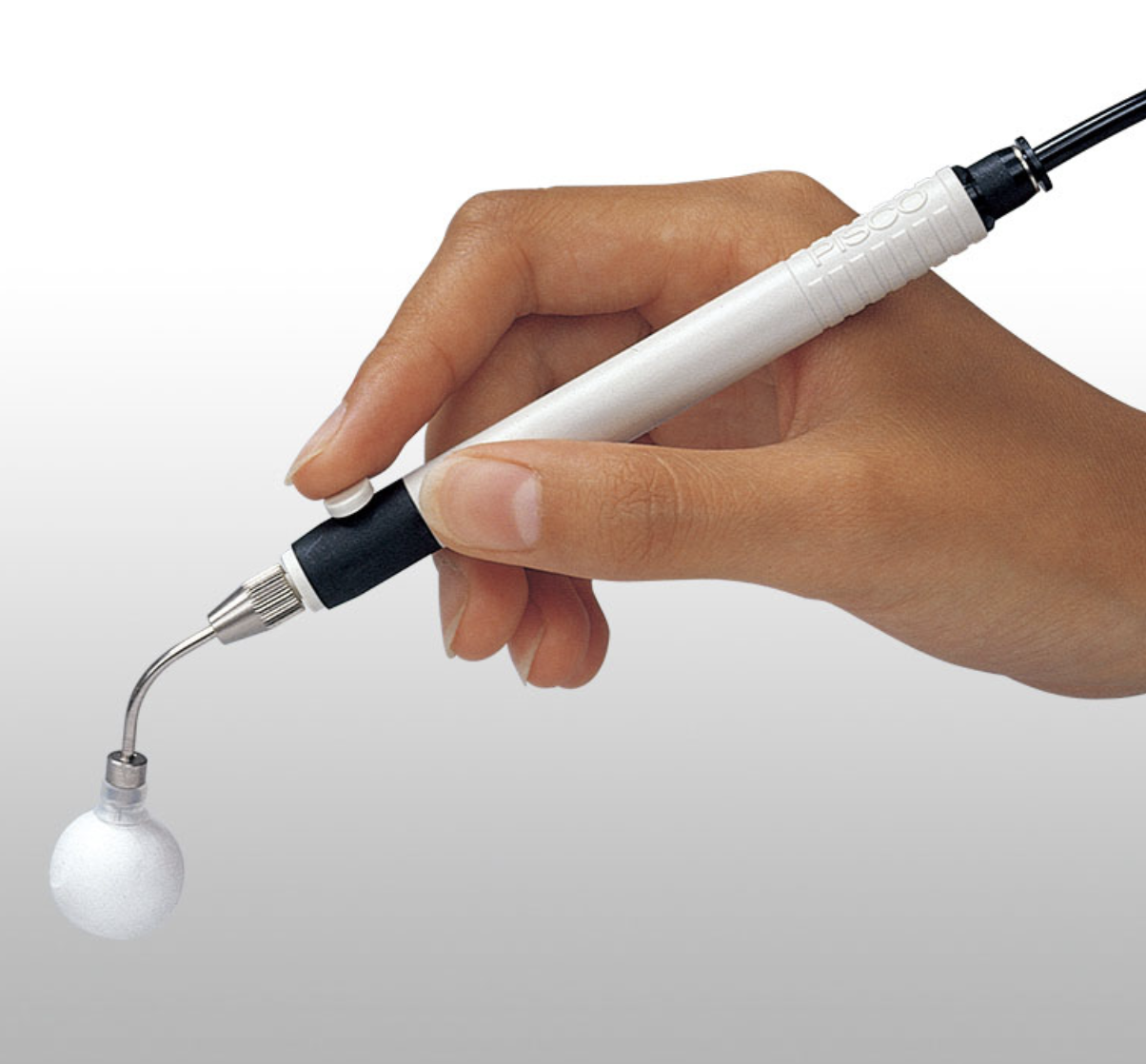
Vacuum Ejector Built-in Suction Pad Air Tweezers The Perfect Solution for Precision Handling In modern production and assembly lines, handling small and delicate parts such as diamonds, jewellery components, electronic IC chips, watches, phones, toys, and miniature screws requires advanced tools that combine efficiency with care. One such innovative tool is the Vacuum Ejector Built-in Suction Pad Air Tweezer, designed for industries where precision, cleanliness, and speed are critical. What is a Vacuum Ejector Built-in Suction Pad Air Tweezer? These air tweezers integrate a mini vacuum ejector with a suction pad, allowing operators or robotic systems to pick and place tiny components without causing scratches, marks, or static damage. Unlike traditional tweezers, which rely on manual pressure, air tweezers use compressed air and the Venturi effect to generate vacuum instantly. This ensures smooth lifting, stable gripping, and gentle release of sensitive parts. Key Applications The vacuum ejector suction pad tweezers are widely used across multiple industries: Diamond & Jewelry Industry – Safe handling of precious stones and delicate metal pieces without leaving fingerprints or marks. Electronics Manufacturing – Efficient pick-and-place of IC chips, circuit boards, and semiconductors without static discharge. Watch & Phone Assembly – Handling of precision parts like gears, glass screens, and connectors. Toy & Consumer Goods Production – Quick and safe placement of tiny screws, clips, and molded parts. Medical & Laboratory Equipment – Gentle handling of micro-components for medical device assembly. Benefits of Using Vacuum Air Tweezers Precision & Reliability – Stable suction ensures parts do not slip during handling. Non-Marking & Anti-Static – Essential for diamonds, polished metals, and electronic components. Compact & Lightweight – Easy to use for both manual operators and automated robots. Cost-Effective Production – Reduces damage, improves yield, and increases productivity. Versatility – Compatible with various suction pad sizes and materials (silicone, urethane, non-marking). Why Manufacturers Prefer Vacuum Suction Pad Tweezers In Bangalore, Chennai, Hyderabad, Pune, Mumbai, Ahmedabad, and Delhi, precision industries are increasingly shifting to vacuum ejector air tweezers for small component handling. With imported Japanese technology from brands like Pisco, these tools ensure long life, stable operation, and low air consumption, making them ideal for mass production setups. Conclusion Whether you are in electronics assembly, jewellery making, diamond processing, watch repair, or phone manufacturing, the Vacuum Ejector Built-in Suction Pad Air Tweezer is the wise choice for precision, safety, and efficiency. By adopting this advanced handling tool, industries can reduce errors, enhance product quality, and expedite production.

product image
Pisco Pneumatic

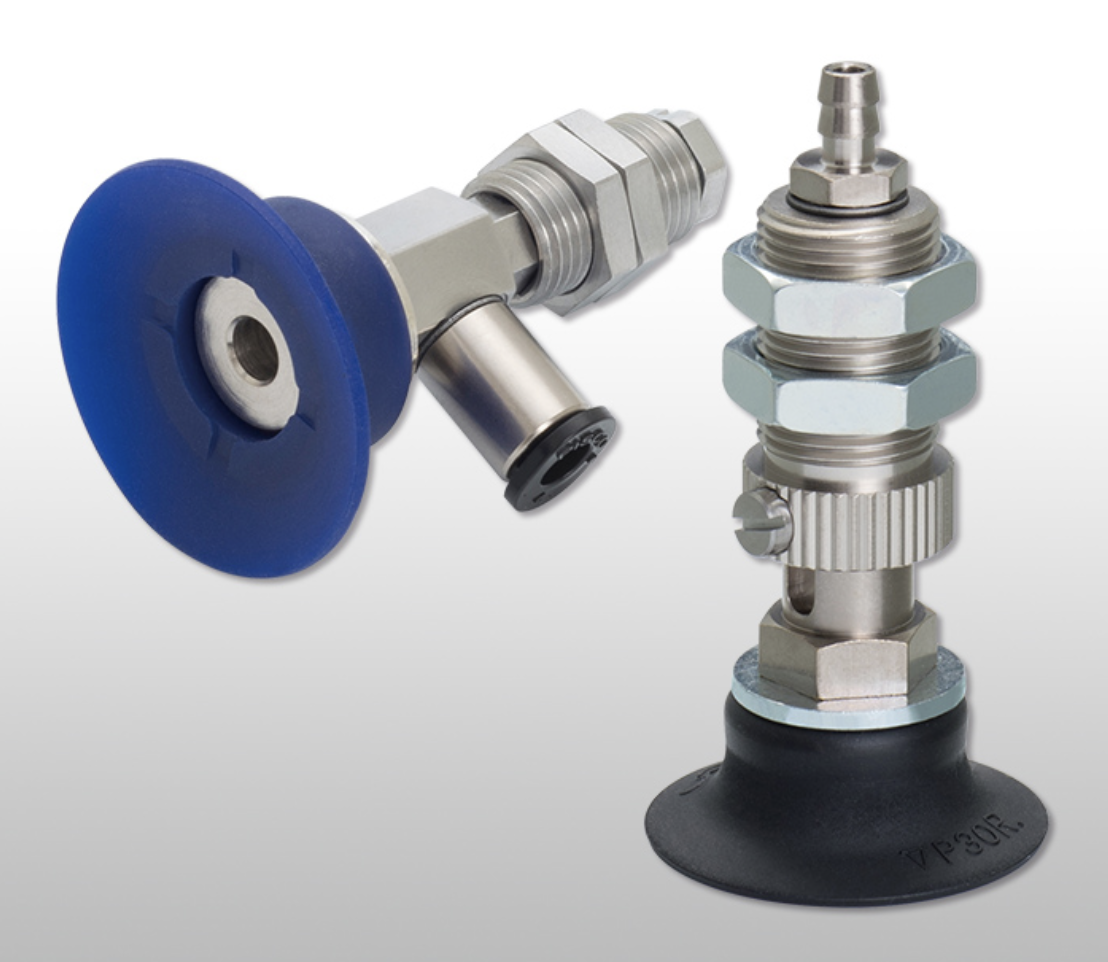
Robot Suction Cups and Soft Grippers – Pisco Brand In modern automation and robotics, precision, speed, and adaptability are crucial. As industries in India advance towards Industry 4.0, the need for reliable robotic end-of-arm tooling (EOAT) has become more critical than ever. One of the most trusted names in this field is Pisco, a global leader in pneumatic components. Through IBK Engineers Pvt Ltd, an authorized distributor of Pisco in India, machine builders and end-users now have easy access to high-quality suction cups and soft grippers tailored for diverse industrial applications. What Are Robot Suction Cups and Soft Grippers? Suction cups are vacuum-based devices commonly used in pick-and-place automation systems. They adhere to flat or slightly curved surfaces using vacuum pressure, allowing robots to lift, move, and position items efficiently. Pisco suction cups are available in various materials like silicone, urethane, and NBR, depending on the application and type of surface. Soft grippers, on the other hand, are flexible, adaptive gripping tools that mimic the human hand's ability to conform to irregular shapes. They are ideal for handling delicate or variable-shaped objects, such as food items, medical components, or electronics. Pisco’s soft grippers offer gentle handling with reliable grip force, reducing product damage and increasing yield. Conclusion Whether you're automating your production line or building a new robotic cell, Pisco suction cups and soft grippers distributed by IBK Engineers in India offer a reliable, efficient, and safe handling solution. Contact IBK Engineers to experience world-class Japanese quality, backed by local service and expertise.

product image

Bonvario gearbox distributor Located in Bangalore, they offer a wide range of gearbox types such as planetary, helical, and bevel-helical gearboxes. They also distribute gear motors, AC drives, and automation products. Visit their site for specifics at ibizkart.com

product image
Aluminium Profiles & Accessories

Misumi offers a wide range of aluminium framing profiles in India that are suitable for various industrial applications such as automation, machinery building, and electronic systems. Commonly available sizes include 30x30mm, 40x40mm, 45x45mm, 40x80mm, 45x90mm, and 80x80mm. These profiles are made from high-quality aluminum alloys like A6N01SS-T5 and A6063S-T5 and come with surface treatments such as clear anodising and black anodizing for enhanced durability and appearance. Key Features: Slot Widths: Typically 6mm, 8mm, or 10mm, based on the series. Extrusion Types: Standard, lightweight, high-rigidity, and economy variants. Slot Configurations: Available with 1 to 4 slots on different sides. Customization: Configurable lengths ranging from 50mm to 4000mm, with increments of 0.5mm. Applications: Used for building machine frames, conveyors, or support structures. You can browse and order these profiles, along with their accessories like connectors and brackets, from Misumi India's online store. They also provide 2D/3D CAD data for design purposes.​

product image
Weidmüller

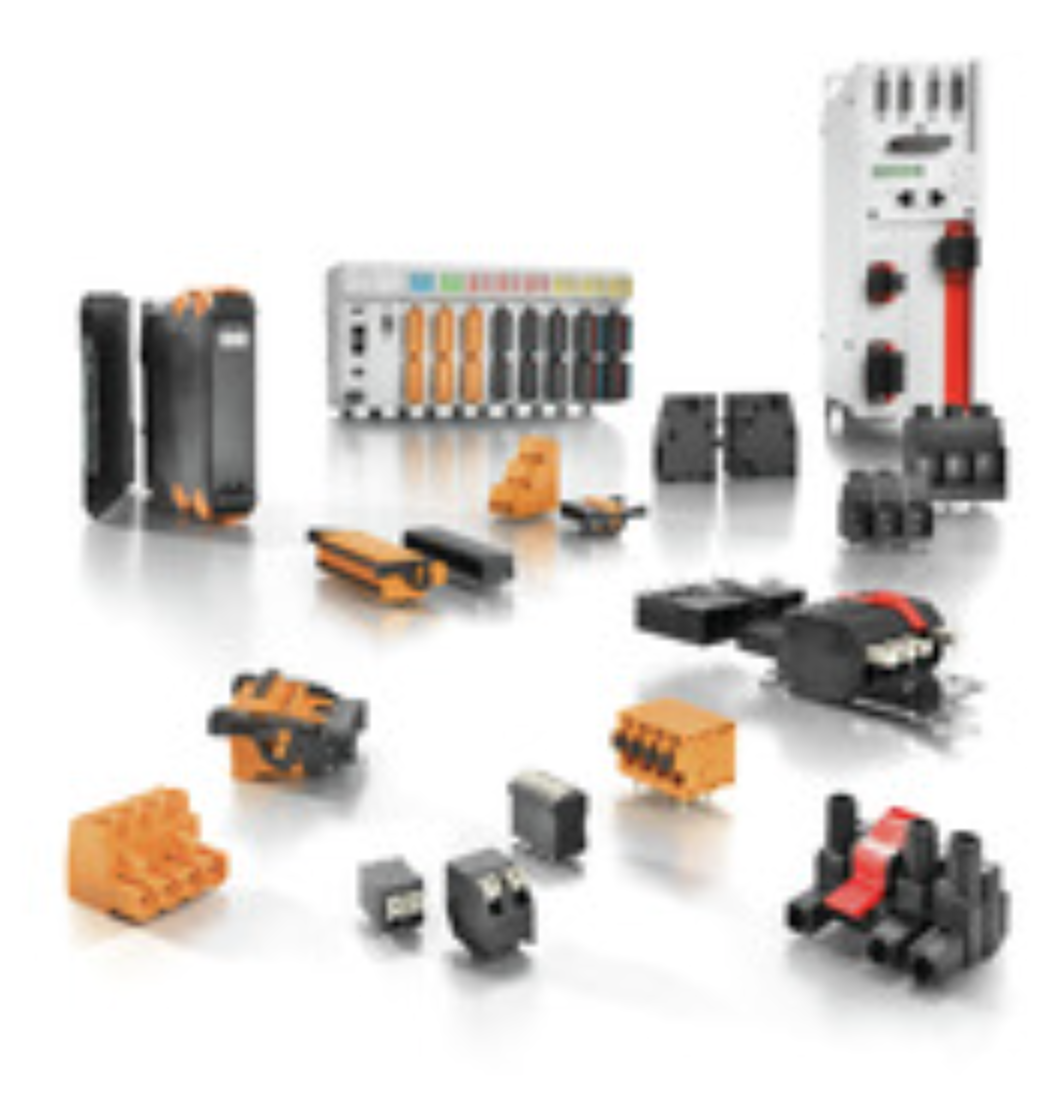
Weidmüller provides a wide range of high-quality electrical connectivity and automation solutions through authorized dealers across India. Whether you are looking for reliable components or innovative automation systems, you can easily find Weidmüller products at a dealer near you. Explore our comprehensive portfolio, including terminal blocks, connectors, power supplies, and more, to meet your industrial needs with local support and expert service

product image
Misumi supplier in india

Your Trusted MISUMI Supplier, Dealer, and Stockist in India Looking for high-quality industrial components? We provide a wide range of MISUMI standard and configurable industrial components. As a trusted MISUMI supplier in India, we offer a comprehensive selection of mechanical components, electronics, tools, MRO supplies, press die parts, and plastic mold products. Whether you need precision-engineered parts or customized solutions, we ensure fast delivery and excellent service to meet your industrial needs.

Subcategory Tags

Phone Number

08048074402

Please keep 0 before dialling the number.

Email Address raju.kn@ibizkart.com

Mon-Thu: 10 AM - 2 PM • Fri: 3 PM - 7AM

Other Website Visit our other website
Address IBK Engineers Pvt. Ltd.,Indore

Indore, INDIA, 452013