Hyderabad
08048068999
+919880566644
Pisco Pneumatic

Vacuum Ejectors

In stockcod not available
Phone Number

08048068999

Please keep 0 before dialling the number.

Email Address raju.kn@ibizkart.com

Mon-Thu: 10 AM - 2 PM • Fri: 3 PM - 7AM

Other Website Visit our other website
Address IBK Engineers Pvt. Ltd.,Hyderabad

Hyderabad, INDIA, 500008

Description

Vacuum Ejectors for Automation: A Complete Guide for Engineers in India In industrial automation, vacuum technology plays a critical role in material handling, packaging, robotics, and pick-and-place systems. Among various components, the vacuum ejector is one of the most reliable, compact, and energy-efficient solutions for generating vacuum pressure without requiring bulky pumps. For engineers and purchasing professionals in India, understanding the types, working principles, design considerations, and applications of vacuum ejectors can help in choosing the right product for high-performance automation systems. 1. What is a Vacuum Ejector? A vacuum ejector, also known as a venturi ejector, uses compressed air to generate vacuum. It works on the Venturi principle, where air flow through a narrowing nozzle causes a pressure drop, creating suction. This vacuum can then be used to grip, lift, or transport workpieces via suction cups or vacuum grippers. Advantages of vacuum ejectors: Compact and lightweight design. No moving parts β†’ low maintenance and long service life. Fast response time, ideal for robotic and automated processes. Easy integration with suction cups, filters, and sensors. Cost-effective compared to large vacuum pumps. 2. Types of Vacuum Ejectors Engineers should consider different designs of ejectors to match their application needs: Single-Stage Ejectors Working: One nozzle generates vacuum. Advantages: Compact, lightweight, inexpensive. Applications: Small pick-and-place units, lightweight material handling. Multi-Stage Ejectors Working: Multiple nozzles arranged in series to increase vacuum efficiency. Advantages: Higher flow rate, better performance at lower air consumption. Applications: Handling porous materials (wood, textiles, foam), packaging, automotive assembly. Inline Ejectors Design: Integrated directly into the vacuum line. Advantages: Saves space, reduces tubing length, minimizes leakage. Applications: Robotics, end-of-arm tooling, compact automation systems. Cartridge Ejectors Design: Modular, can be embedded in custom manifolds or tooling. Advantages: Flexible design, multiple ejectors in one block, efficient for large systems. Applications: Electronics assembly, packaging lines, multi-cup systems. 3. Key Design Features Engineers Should Consider When selecting a vacuum ejector, engineers must evaluate: Air Consumption: Efficiency depends on compressed air usage. Low consumption = lower operating costs. Vacuum Level: Deeper vacuum levels are needed for non-porous or heavy objects. Evacuation Speed: Determines how quickly the ejector reaches required vacuum levels. Noise Levels: Consider silencers or low-noise models for worker safety. Control Options: Models with built-in solenoid valves and sensors allow smarter control in automated systems. Mounting Flexibility: Inline, manifold, or modular options depending on space availability. 4. System Components with Vacuum Ejectors A reliable automation setup requires more than just an ejector. A complete vacuum system typically includes: Vacuum Suction Cups: For gripping surfaces of various shapes and textures. Filters: Prevent dust and debris from entering ejectors. Vacuum Switches & Sensors: For monitoring vacuum levels in real-time. Tubing & Connectors: Ensure minimal leakage and stable suction. 5. Applications of Vacuum Ejectors in Indian Industries Vacuum ejectors are widely used across industries in India, especially in automation-driven manufacturing units: Automotive: Handling sheet metal, glass, dashboards, and bumpers. Electronics: Pick-and-place for circuit boards and delicate parts. Food & Beverage: Hygienic handling of packaged goods, bottles, and cartons. Pharmaceuticals: Blister packaging, sterile material handling. Logistics & E-commerce: Carton packing, labeling, robotic sorting. 6. Why Vacuum Ejectors are Preferred in Automation Low maintenance: No moving parts reduce breakdown risks. Energy efficiency: Modern multi-stage ejectors optimize compressed air usage. Flexibility: Suitable for both centralized and decentralized vacuum systems. Compact integration: Perfect for robotic arms and end-of-arm tooling in cobots and industrial robots. 7. Vacuum Ejector Suppliers and Dealers in India Engineers and buyers in India can source high-quality vacuum ejectors from trusted dealers, distributors, and exporters specializing in pneumatic automation products. Brands like Pisco, SMC, Schmalz, Piab, Festo, and Bosch Rexroth are widely available through authorized suppliers. When sourcing, always check for: After-sales support and spare availability. Compatibility with suction cups and fittings. Technical consultation for system design. Conclusion Vacuum ejectors are a vital component in automation systems, offering engineers in India a cost-effective, compact, and efficient solution for creating a vacuum. By understanding the material handling requirements,
Other Products

view all

68179d65be22ee500d53ff54 Card 2

product image
Pisco Pneumatic

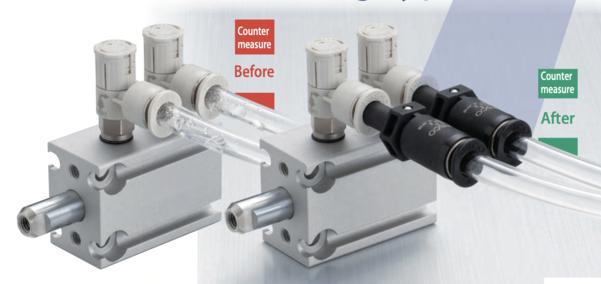
Prevent Condensation in Pneumatic Systems with PISCO EQJ Quick Exhaust Valve Even when a high-quality air dryer is installed near the compressor or before the FRL unit, condensation can still occur inside pneumatic systems. This problem is commonly seen in high-speed automation applications using air grippers, mini cylinders, and short-stroke pneumatic actuators. The main reason is adiabatic expansion. When compressed air rapidly expands, the air temperature suddenly drops. In systems where the piping between the solenoid valve and actuator is long, and the cylinder stroke is very short, all the air inside the tube cannot exhaust completely during fast operation cycles. The remaining air experiences repeated pressure and temperature changes, creating mist and eventually water inside the tubing. This issue is especially common in: Air grippers Pen cylinders Short-stroke cylinders High-speed pick-and-place systems Compact automation machines Problems Caused by Condensation Water inside pneumatic lines can lead to: Grease washout inside cylinders Unstable actuator movement Corrosion and internal damage Reduced gripping accuracy Increased machine downtime Shorter actuator life Industries such as electronics, semiconductor manufacturing, automotive automation, packaging, robotics, and CNC/SPM machines often face these challenges. PISCO EQJ Quick Exhaust Valve Solution The PISCO EQJ Quick Exhaust Valve is designed to solve condensation problems directly at the actuator side. Instead of exhausting air only through the solenoid valve, the EQJ valve exhausts air close to the air gripper or cylinder. This minimizes adiabatic expansion inside long pneumatic tubing and helps prevent condensation. Unique Socket-Type Design A major advantage of the EQJ series is its compact socket-type structure. It can be directly connected to: Pneumatic fittings Speed controllers Air grippers Mini cylinders Very few competitors offer this type of compact quick exhaust solution, making the EQJ series highly unique in the pneumatic automation market. Key Benefits Prevents condensation inside pneumatic tubes Improves actuator life and reliability Maintains smooth cylinder movement Reduces maintenance and downtime Easy retrofit installation No need to redesign the pneumatic system Cost-effective automation upgrade Customers can simply install the EQJ valve into their current pneumatic setup without replacing cylinders or changing piping layouts. Proven Industrial Performance The EQJ series has already been successfully used in many automation applications across Asia. Nearly 1,000 pieces were supplied in Thailand over the last 1–2 years specifically for solving condensation problems in high-speed pneumatic systems. Available Sizes The EQJ Series is available in: 3 mm 4 mm 6 mm These compact sizes are ideal for modern automation equipment and small pneumatic actuators. Applications The EQJ quick exhaust valve is widely used in: Robotics Pick-and-place automation Packaging machinery SMT and semiconductor equipment Industrial automation systems Compact pneumatic machinery Why Choose PISCO Pneumatic Products PISCO Official Website is globally recognized for compact, high-quality pneumatic automation products designed for advanced industrial applications. The EQJ Quick Exhaust Valve is a simple but highly effective solution for preventing moisture problems and improving pneumatic system performance. Key Products Pneumatic condensation solution Quick exhaust valve for air gripper Prevent water in pneumatic cylinder PISCO EQJ valve India Pneumatic moisture prevention Mini cylinder condensation solution Pneumatic automation products India High-speed cylinder exhaust valve Air gripper water problem Pneumatic reliability improvement For industrial automation in India, the PISCO EQJ Quick Exhaust Valve is an effective, economical way to improve the reliability of pneumatic systems and extend actuator life.

68179d65be22ee500d53ff54 Card 2

product image
CarrLane

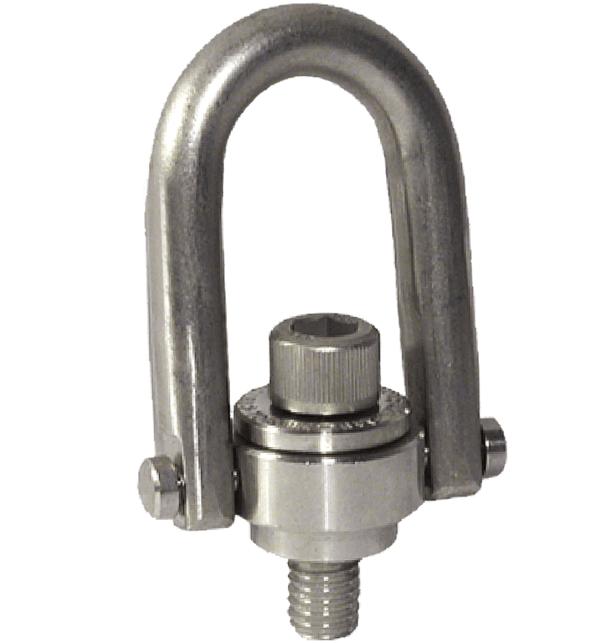
Carr Lane India – Dealer & Distributor Authorized Dealer in India IBK Engineers Pvt Ltd πŸ“ Bangalore (Peenya Industrial Area) Listed in Carr Lane global distributor network Supplies complete Carr Lane tooling components in India πŸ‘‰ Strong fit for: Automation companies SPM builders Fixture & jig manufacturers Carr Lane Products (India Range) Jig & Fixture Components Toggle clamps Swing clamps Edge clamps Fixture locators Positioning & Locating Ball lock pins / quick release pins Alignment pins Jig bushes Spring-loaded devices Lifting & Heavy Duty Components Hoist rings Lifting points Swivel rings Machine Setup & Accessories Hand knobs Key inserts (thread repair) Quick-change fixture systems Modular tooling components Industries Using Carr Lane Automotive fixture manufacturing Aerospace tooling Machine tool builders SPM / automation companies Welding & fabrication shops