Hyderabad
08048068999
+919880566644

Items tagged with 'free catalogue 2022'

68179d65be22ee500d53ff54 Card 2

product image
Pisco Pneumatic

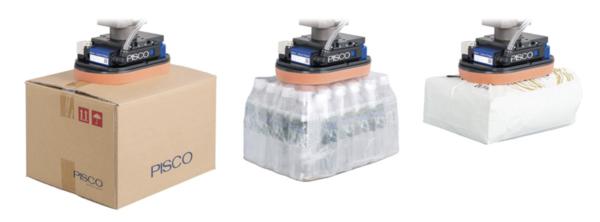
Vacuum Suction Cups Supplier: Complete Guide for Industrial Purchase, Design, and Maintenance Introduction In modern manufacturing and automation, vacuum suction cups play a crucial role in material handling, robotics, packaging, and assembly lines. Industrial buyers, design engineers, and maintenance professionals increasingly depend on reliable vacuum suction cups suppliers to ensure productivity, safety, and consistent performance in automated processes. Vacuum suction cups are essential components used with vacuum generators or pumps to grip, lift, and move objects without mechanical clamps. They are widely applied in industries such as electronics, automotive manufacturing, logistics, packaging, food processing, and pharmaceuticals. Selecting the right vacuum suction cups supplier is critical for companies seeking durability, performance, and cost efficiency in their automation systems. This comprehensive guide explains how vacuum suction cups work, how to select the right supplier, key design considerations, purchasing strategies, and maintenance best practices for industrial applications. What Are Vacuum Suction Cups? Vacuum suction cups are end-of-arm tooling (EOAT) components used in vacuum handling systems. They operate using negative pressure created by vacuum pumps or ejectors. When air is removed between the suction cup and the object surface, atmospheric pressure pushes the cup firmly against the object, creating a strong gripping force. The vacuum difference between internal pressure and surrounding atmospheric pressure generates the holding force that allows machines or robots to lift and move objects safely. Key Components of a Vacuum Handling System A typical industrial vacuum handling system consists of: Vacuum suction cup Vacuum generator or vacuum pump Tubing and fittings Vacuum sensors or gauges Mounting brackets and connectors These components work together to create a reliable material-handling solution widely used in factory automation. Why Industrial Companies Need Reliable Vacuum Suction Cups Suppliers For industrial buyers and automation integrators, choosing the right supplier ensures: 1. Consistent Quality Industrial suction cups must maintain reliable grip strength during continuous operation. Poor-quality products may lead to product drops, machine downtime, and production losses. 2. Wide Product Range A good supplier provides multiple types of suction cups for different surfaces and materials, including: Flat suction cups Bellows suction cups Foam suction cups Oval suction cups Deep suction cups 3. Technical Support Engineering teams require guidance on selecting the correct cup size, material, and vacuum system configuration. 4. Custom Automation Solutions OEMs and automation integrators often need customized vacuum grippers or complete vacuum handling systems. Industrial Applications of Vacuum Suction Cups Vacuum suction cups are widely used across multiple industries because they allow non-damaging handling of delicate products. 1. Robotics and Automation Industrial robots frequently use suction cups for pick-and-place operations. The system enables robots to grab, transfer, orient, and place components accurately during production. Applications include: Electronics assembly PCB handling Smartphone manufacturing Semiconductor handling 2. Packaging Industry In packaging automation, suction cups are used for: Carton handling Bottle loading Case packing Label placement Vacuum systems help increase speed and accuracy in packaging operations. 3. Automotive Manufacturing Automotive factories use vacuum suction cups for handling: Car body panels Glass windshields Interior components Metal sheets The technology ensures smooth and scratch-free handling. 4. Logistics and Warehouse Automation Automated warehouses use suction cups to move: Cartons Packages Plastic containers Paper rolls This improves warehouse efficiency and reduces manual labor. 5. CNC Machine Automation Vacuum suction cups automate loading and unloading of parts in CNC machining centers, improving operator safety and productivity. Types of Vacuum Suction Cups Used in Industry Selecting the correct type of suction cup depends on workpiece material, shape, and surface conditions. 1. Flat Vacuum Cups Best suited for: Smooth surfaces Glass Metal sheets Plastic panels These cups provide strong holding force for flat objects. 2. Bellows Vacuum Cups Bellows cups offer flexibility and shock absorption, making them ideal for: Irregular surfaces Height variations Automated packaging 3. Foam Vacuum Cups Foam cups are used for: Rough surfaces Wood panels Cardboard boxes They can handle porous materials with better sealing. 4. Oval Vacuum Cups Oval cups are designed for narrow surfaces such as: Long cartons Profiled components Small parts handling

68179d65be22ee500d53ff54 Card 2

product image
Pisco Pneumatic

Pneumatic Fittings: The Backbone of Reliable Automation in OEM, Robotics, and Industrial Systems In modern industrial automation, even the smallest component can determine the reliability of an entire system. Pneumatic fittings are one such critical component. These connectors ensure leak-free, efficient air flow between pneumatic tubes, valves, cylinders, vacuum generators, and other automation devices. For OEM manufacturers, design engineers, maintenance teams, and industrial owners, choosing the right pneumatic fitting directly impacts machine performance, safety, and long-term operational cost. What Are Pneumatic Fittings? Pneumatic fittings are connectors used to join compressed air lines in pneumatic systems. They connect tubes, hoses, valves, actuators, regulators, and vacuum equipment. These fittings are designed to provide secure connections that prevent air leakage while allowing easy installation and maintenance. Common materials include brass, nickel-plated brass, stainless steel, and engineering plastic, depending on the application environment. In automation industries, push-in fittings are widely used because they enable quick installation without special tools. Why Pneumatic Fittings Are Critical in Automation In industries such as robotics, electronics manufacturing, packaging, automotive assembly, and machine building, compressed air systems operate continuously. A poor-quality pneumatic fitting can lead to air leakage, pressure loss, and production downtime. High-quality pneumatic fittings provide: Leak-free connections for stable air pressure Fast installation during machine assembly Easy maintenance during servicing Compact design for modern automation equipment Long service life in harsh industrial environments For OEM machine builders, selecting the right fittings ensures machines meet global quality and reliability standards. Types of Pneumatic Fittings Used in Industry Industrial pneumatic systems use several types of fittings depending on machine design and tubing layout. 1. Push-in Fittings The most common fittings used in automation. They allow quick tube insertion and secure locking. 2. Elbow Fittings Used when air tubes must change direction, especially in compact machines or robot arms. 3. Tee Fittings These fittings split airflow into two directions and are often used in multi-cylinder automation systems. 4. Straight Connectors Used to extend pneumatic tubing lines or connect two tubes together. 5. Bulkhead Fittings Designed to pass air lines through panels or machine frames.

68179d65be22ee500d53ff54 Card 2

product image
Pisco Pneumatic

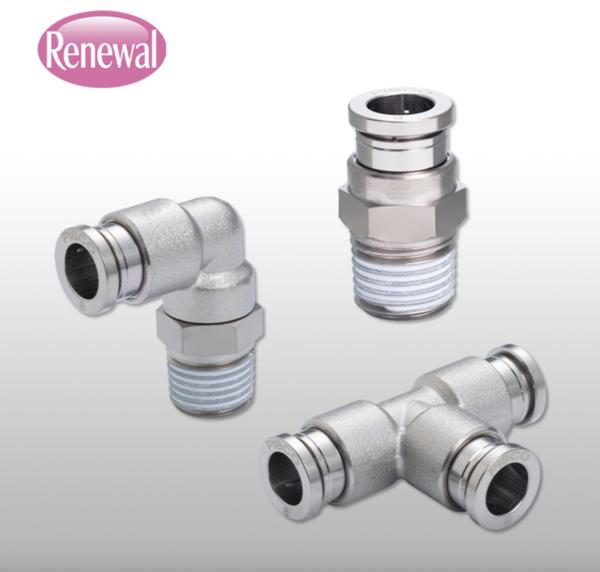
Brass Push-In Fittings – Pisco: Smart, Reliable, Low-Cost Connections for Industrial Systems In pneumatic and fluid handling systems, connection reliability and ease of service are vital. Pisco Pneumatic Straight Fitting, 8 mm x R1/8, PISCO Pneumatic Push‑to‑Connect Elbow Fitting, 6 mm x R1/8, PISCO Pneumatic Push‑to‑Connect Elbow Fitting, 6 mm x R1/4, and similar Pisco push-in fittings deliver durable, leak-proof brass construction with quick, tool-free installation — ideal for both designers and maintenance engineers. These fittings use a push-to-connect (push-in) mechanism that permanently grips pneumatic or fluid tubing (e.g., PU, nylon), creating a secure seal without threaded tools or sealants. Brass bodies, often nickel-plated, offer excellent corrosion resistance and mechanical strength compared to plastic alternatives, making them suited to heavy industrial environments such as automation lines, packaging machinery, machine tools, and pneumatic actuators. Brass fittings also tolerate higher pressures and temperature ranges, enhancing long-term reliability. For design engineers, push-in fittings simplify layout planning with compact shapes, consistent sealing, and compatibility across a broad spectrum of tube sizes and thread standards. They reduce assembly time dramatically, enabling faster prototyping and system builds. For maintenance teams, the one-touch release mechanism shortens service calls, cuts downtime, and minimizes air leakage — a common source of inefficiency in compressed air systems. Quick disconnection and re-use also reduce inventory needs and overall lifecycle cost. Pisco push-in fittings are now widely available in India through authorized distributors like IBK Engineers Pvt Ltd, with stock and support across major industrial centres including Karnataka’s Bangalore region, Pune, Hyderabad, Chennai, and beyond.

68179d65be22ee500d53ff54 Card 2

product image
Pisco Pneumatic

PU Tubes: High-Performance Pneumatic Solutions for Indian Industries Polyurethane (PU) tubes are a cornerstone in modern pneumatic systems, offering unmatched flexibility, durability, and chemical resistance. Used extensively in automation, assembly lines, robotics, and industrial machinery, PU tubes deliver reliability and precision, which are critical for high-efficiency production environments. For Indian engineers and industrial users, understanding material properties, design features, and applications is key to selecting the right PU tubing for your pneumatic systems. 1. Why Polyurethane Tubes? Polyurethane tubes stand out for their combination of flexibility, abrasion resistance, and chemical stability. Unlike PVC or rubber tubes, PU tubes can handle frequent bending, vibration, and high-pressure pneumatic flows without deformation. Key Advantages: High flexibility for tight bends and compact layouts. Exceptional wear resistance for long-term operation. Low friction coefficient for smooth pneumatic flow. Good chemical and oil resistance for industrial environments. Lightweight and easy to install in automation setups. These properties make PU tubes ideal for sectors such as automotive manufacturing, packaging, electronics assembly, and food processing. 2. PU Tube Material Properties Different PU tube formulations allow engineers to match tube characteristics to specific industrial requirements: Standard PU Tubes Properties: Flexible, lightweight, and suitable for general pneumatic applications. Temperature Range: -20°C to +60°C. Applications: Pneumatic conveyors, pick-and-place machinery, and air distribution systems. Food-Grade PU Tubes Properties: Non-toxic, FDA-compliant, and resistant to oils and grease. Temperature Range: -20°C to +80°C. Applications: Food and beverage processing, pharmaceutical packaging, and medical automation. High-Performance PU Tubes Properties: Extra abrasion resistance, higher pressure tolerance, and UV resistance. Temperature Range: -30°C to +90°C. Applications: Heavy-duty industrial machines, robotics, and automotive pneumatic lines. 3. Design Features and Options PU tubes are available in various sizes, colors, and wall thicknesses, giving engineers flexibility in system design: Internal Diameter (ID) & Outer Diameter (OD): Matches fittings and ensures optimal air flow. Color Coding: Facilitates system organization and easy maintenance. Reinforced PU Tubes: Added strength for high-pressure pneumatic systems. Pre-Cleaned or Clean-Room PU Tubes: Suitable for semiconductor, pharmaceutical, and medical device manufacturing. 4. Key Applications of PU Tubes in India PU tubing is widely adopted across Indian industries for efficiency, reliability, and safety: Automation and Robotics: Smooth pneumatic flow for actuators, cylinders, and grippers. Packaging Industry: Food-grade tubes for filling, sealing, and conveying applications. Automotive Manufacturing: Durable PU tubes for assembly line automation and air-powered tools. Pharmaceuticals & Medical Devices: Cleanroom-ready tubes for contamination-free pneumatic transport. 5. Integrating PU Tubes into Pneumatic Systems A PU tube is only as effective as the system it serves. A complete pneumatic setup includes: Fittings & Connectors: Push-in fittings for fast, leak-proof connections. Vacuum Generators & Pumps: Ensure steady air or vacuum flow. Filters & Regulators: Maintain clean, pressurized airflow for optimal performance. Manifolds & Tubing Networks: Organize distribution for multiple actuators or cylinders. By selecting the right tube size, material, and accessories, engineers can maximize system efficiency, reduce maintenance, and extend equipment life. 6. Conclusion PU tubes are a versatile, durable, and reliable solution for pneumatic systems in Indian industries. By understanding the material properties, design options, and proper system integration, engineers can achieve high efficiency, longevity, and safety in their automation and pneumatic applications. Investing in quality PU tubes ensures smooth operations, reduces downtime, and delivers cost-effective performance for years.

68179d65be22ee500d53ff54 Card 2

product image

Hiwin India supplies all types of linear guideways for industrial use. We as a Hiwin dealer in India stock all sizes and types of LM guideways. Hiwin India products are high quality and best-discounted price. Please get a free quote for any hiwin items as retail or wholesale requirements.

68179d65be22ee500d53ff54 Card 2

product image
Robot

Bag Gripper and Palletizing Solutions for robot End of the Line automation. Bag gripping end effectors offer a fast and reliable end-of-line, pick-and-place palletizing solution. The bag gripper has a simplified, lightweight design using standard off-the- shelf components for a maintenance-free operation. It is offered in two standard sizes with optional back- up, slip sheet pick and pallet pick configurations for load stabilization and slip sheet and pallet handling applications. Robot Automation and bag palletizing for food industry, chemical industry, fertilizer industry and Cement industry for Bag and Palletizing Automation. We have Standardize size for bag gripper are 17 kgs (38 lbs) and 43 kgs (95 lbs).

68179d65be22ee500d53ff54 Card 2

product image

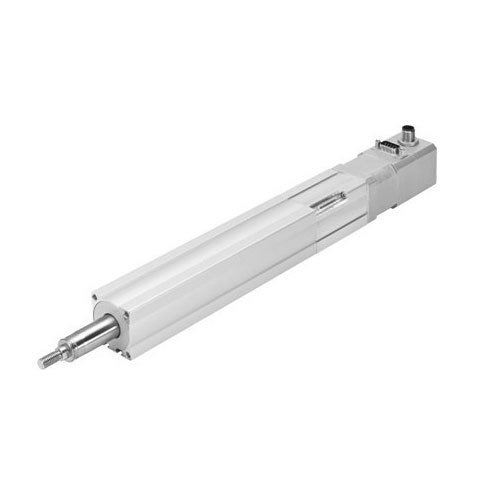
Approx Price: Rs 5,000 / Piece Technical Specification: Linear drive with ball screw, non-rotating piston rod with plain bearing guide Special features: Mechanical system with permanently attached motor

68179d65be22ee500d53ff54 Card 2

product image

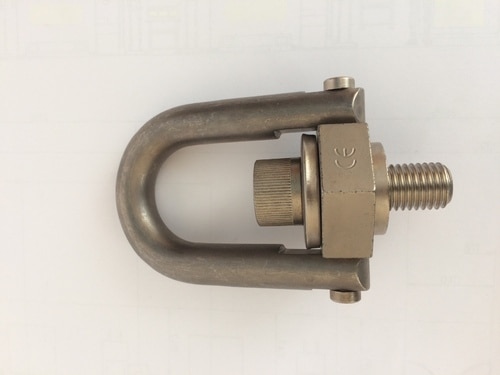
Carr Lane original safety-engineered hoist ring. Pivots 180° and swivels 360° simultaneously to allow lifting from any direction. Available with inch or metric threads in load capacities up to 100,000 lbs, many with a choice of bolt length. Sizes up to 10,000 lbs capacity are optionally available with a long ring, which provides extra reach and allows using larger lifting hooks. All sizes are available in black oxide finish, with popular sizes also available in electroless-nickel finish.

68179d65be22ee500d53ff54 Card 2

product image

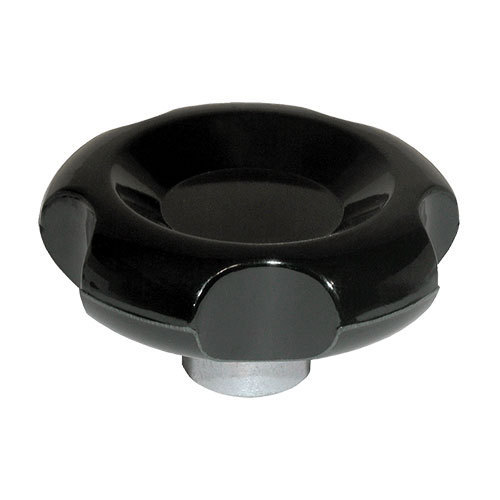
Small five-lobed phenolic hand wheels that are useful as control knobs or clamping knobs. Molded-in steel hub, blank with a pilot hole.

Still searching for
free catalogue 2022?