Thank you for writing to us. One of our executive will reach back to you through your submitted medium. In case there’s an urgency, feel free to connect over WhatsApp for faster response.
Prefer calling? Dial +919880566644 (International callers) or +919880566644 (Indian callers).
Vacuum Generators for Automation: A Practical Guide for Design & Maintenance Engineers
Vacuum generators play a critical role in modern industrial automation, especially in pick-and-place systems, robotic handling, packaging, CNC loading, and material transfer. By converting compressed air into vacuum, these compact devices enable fast, reliable, and energy-efficient gripping without complex mechanical systems.
What Is a Vacuum Generator?
A vacuum generator (also called an ejector) uses the Venturi principle to create vacuum. When compressed air passes through a specially designed nozzle, it accelerates and creates a low-pressure zone, which generates suction. This vacuum is then used with suction cups or vacuum pads to lift, hold, or move objects.
Compared to vacuum pumps, vacuum generators are lighter, faster, and maintenance-friendly, making them ideal for decentralized automation setups.
Key Advantages in Automation Systems
For design engineers, vacuum generators offer several important benefits:
Compact design: Easily integrated close to the point of use, reducing vacuum loss.
Fast response time: Ideal for high-cycle robotic and packaging applications.
Scalability: One generator per suction cup or zone for better control.
No moving parts: Higher reliability and longer service life.
For maintenance engineers, these features translate into fewer breakdowns, simple troubleshooting, and minimal downtime.
Selection Criteria for Design Engineers
Choosing the right vacuum generator is essential for system efficiency:
Air consumption vs. vacuum flow: Optimize to reduce compressed air costs.
Vacuum level: Higher vacuum is needed for smooth or airtight materials like glass or metal sheets.
Integrated functions: Models with built-in vacuum switches, blow-off, or silencers simplify system design.
Material compatibility: Aluminum, resin, or stainless steel options for food, pharma, or corrosive environments.
Proper sizing at the design stage prevents energy wastage and ensures consistent performance.
Maintenance & Reliability Considerations
From a maintenance perspective, vacuum generators are easy to manage:
Minimal wear parts: No motors or rotating elements.
Clog-resistant designs: Built-in filters protect against dust and debris.
Quick replacement: Plug-and-play fittings reduce service time.
Predictive maintenance: Vacuum sensors help detect leaks or suction loss early.
Regular inspection of air quality, filters, and suction cups significantly improves system uptime.
Typical Industrial Applications
Vacuum generators are widely used across industries:
Packaging and carton handling
Automotive body and component handling
Electronics and PCB assembly
Sheet metal and glass handling
Plastic injection molding part removal
Their flexibility makes them suitable for both light and heavy automation tasks.
Conclusion
Vacuum generators are a smart choice for automation engineers looking for efficient, compact, and reliable vacuum solutions. With correct selection and basic maintenance practices, they deliver long service life, energy savings, and high system productivity. For both design and maintenance teams, vacuum generators simplify automation while ensuring consistent and precise material handling.
Vacuum Ejectors for Automation: A Complete Guide for Engineers in India
In industrial automation, vacuum technology plays a critical role in material handling, packaging, robotics, and pick-and-place systems. Among various components, the vacuum ejector is one of the most reliable, compact, and energy-efficient solutions for generating vacuum pressure without requiring bulky pumps.
For engineers and purchasing professionals in India, understanding the types, working principles, design considerations, and applications of vacuum ejectors can help in choosing the right product for high-performance automation systems.
1. What is a Vacuum Ejector?
A vacuum ejector, also known as a venturi ejector, uses compressed air to generate vacuum. It works on the Venturi principle, where air flow through a narrowing nozzle causes a pressure drop, creating suction. This vacuum can then be used to grip, lift, or transport workpieces via suction cups or vacuum grippers.
Advantages of vacuum ejectors:
Compact and lightweight design.
No moving parts → low maintenance and long service life.
Fast response time, ideal for robotic and automated processes.
Easy integration with suction cups, filters, and sensors.
Cost-effective compared to large vacuum pumps.
2. Types of Vacuum Ejectors
Engineers should consider different designs of ejectors to match their application needs:
Single-Stage Ejectors
Working: One nozzle generates vacuum.
Advantages: Compact, lightweight, inexpensive.
Applications: Small pick-and-place units, lightweight material handling.
Multi-Stage Ejectors
Working: Multiple nozzles arranged in series to increase vacuum efficiency.
Advantages: Higher flow rate, better performance at lower air consumption.
Applications: Handling porous materials (wood, textiles, foam), packaging, automotive assembly.
Inline Ejectors
Design: Integrated directly into the vacuum line.
Advantages: Saves space, reduces tubing length, minimizes leakage.
Applications: Robotics, end-of-arm tooling, compact automation systems.
Cartridge Ejectors
Design: Modular, can be embedded in custom manifolds or tooling.
Advantages: Flexible design, multiple ejectors in one block, efficient for large systems.
Applications: Electronics assembly, packaging lines, multi-cup systems.
3. Key Design Features Engineers Should Consider
When selecting a vacuum ejector, engineers must evaluate:
Air Consumption: Efficiency depends on compressed air usage. Low consumption = lower operating costs.
Vacuum Level: Deeper vacuum levels are needed for non-porous or heavy objects.
Evacuation Speed: Determines how quickly the ejector reaches required vacuum levels.
Noise Levels: Consider silencers or low-noise models for worker safety.
Control Options: Models with built-in solenoid valves and sensors allow smarter control in automated systems.
Mounting Flexibility: Inline, manifold, or modular options depending on space availability.
4. System Components with Vacuum Ejectors
A reliable automation setup requires more than just an ejector. A complete vacuum system typically includes:
Vacuum Suction Cups: For gripping surfaces of various shapes and textures.
Filters: Prevent dust and debris from entering ejectors.
Vacuum Switches & Sensors: For monitoring vacuum levels in real-time.
Tubing & Connectors: Ensure minimal leakage and stable suction.
5. Applications of Vacuum Ejectors in Indian Industries
Vacuum ejectors are widely used across industries in India, especially in automation-driven manufacturing units:
Automotive: Handling sheet metal, glass, dashboards, and bumpers.
Electronics: Pick-and-place for circuit boards and delicate parts.
Food & Beverage: Hygienic handling of packaged goods, bottles, and cartons.
Pharmaceuticals: Blister packaging, sterile material handling.
Logistics & E-commerce: Carton packing, labeling, robotic sorting.
6. Why Vacuum Ejectors are Preferred in Automation
Low maintenance: No moving parts reduce breakdown risks.
Energy efficiency: Modern multi-stage ejectors optimize compressed air usage.
Flexibility: Suitable for both centralized and decentralized vacuum systems.
Compact integration: Perfect for robotic arms and end-of-arm tooling in cobots and industrial robots.
7. Vacuum Ejector Suppliers and Dealers in India
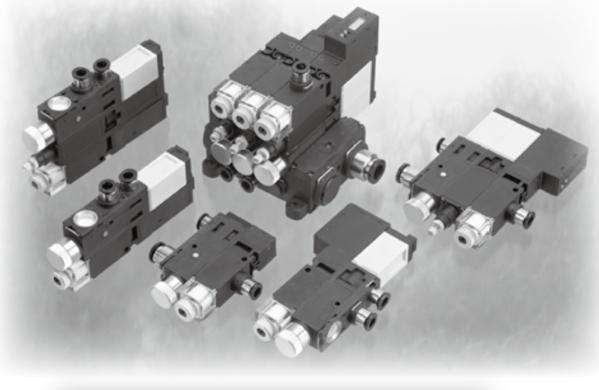
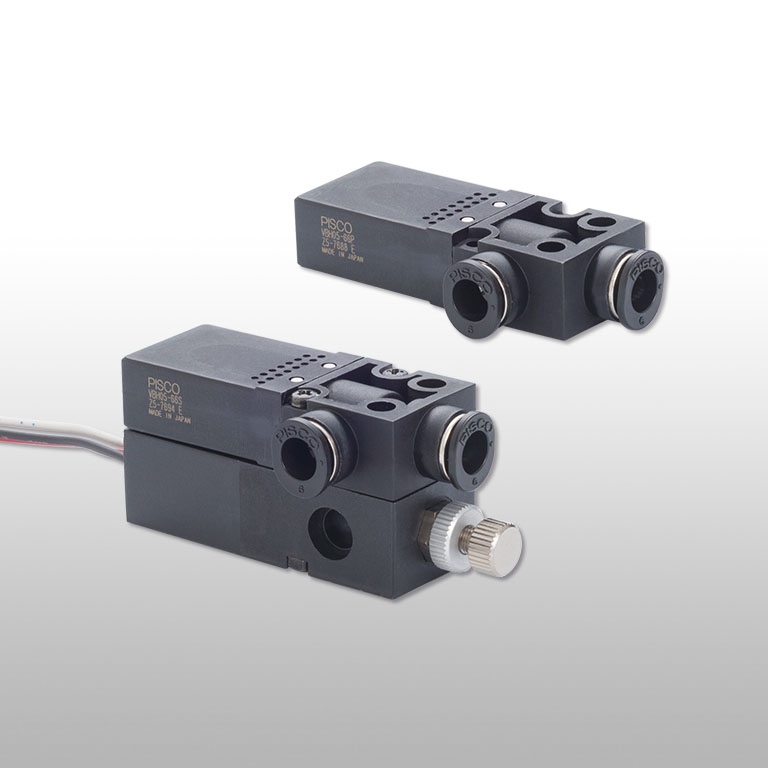
Engineers and buyers in India can source high-quality vacuum ejectors from trusted dealers, distributors, and exporters specializing in pneumatic automation products. Brands like Pisco, SMC, Schmalz, Piab, Festo, and Bosch Rexroth are widely available through authorized suppliers.
When sourcing, always check for:
After-sales support and spare availability.
Compatibility with suction cups and fittings.
Technical consultation for system design.
Conclusion
Vacuum ejectors are a vital component in automation systems, offering engineers in India a cost-effective, compact, and efficient solution for creating a vacuum. By understanding the material handling requirements,
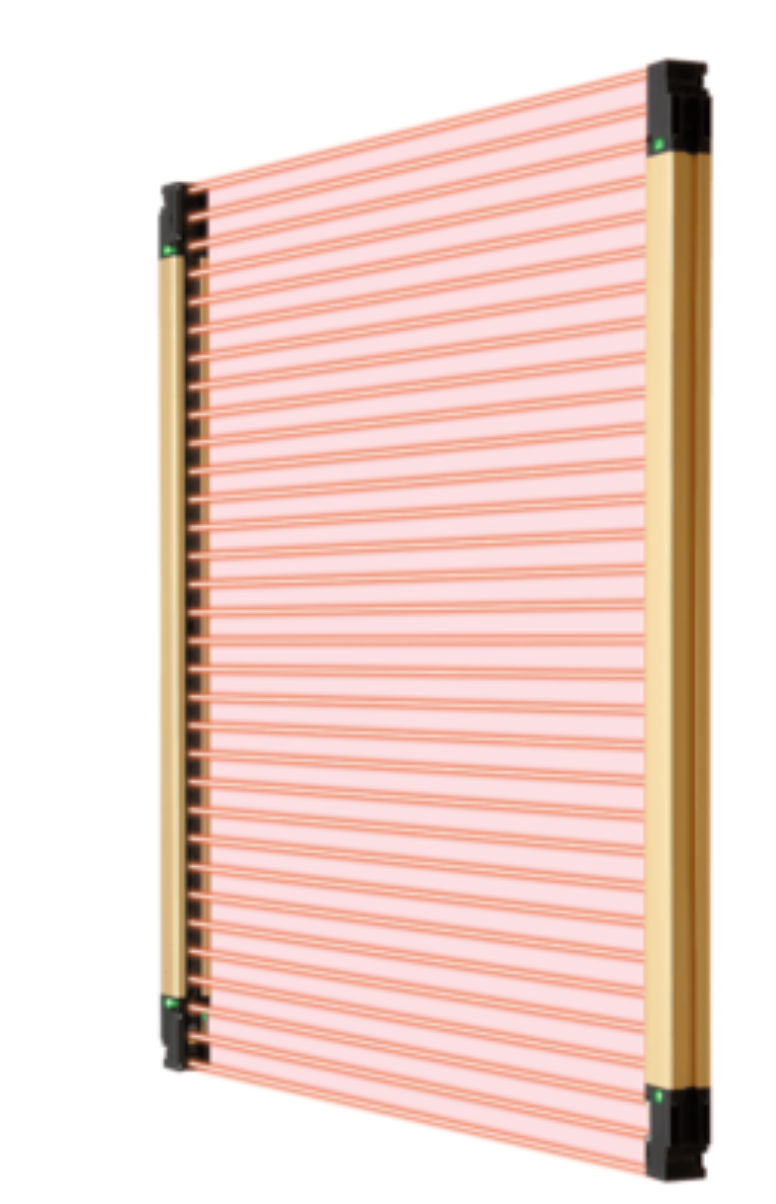
Panasonic light curtains are renowned for their reliability, advanced technology, and robust design. They are widely used in various industrial applications to enhance safety and efficiency. Panasonic offers a range of light curtain models to cater to different safety requirements and operational environments.
Delta HMI (Human Machine Interface) touch panels are user interfaces that facilitate interaction between operators and machines or industrial control systems. These panels are part of Delta Electronics\\' comprehensive automation solutions and are known for their reliability, ease of use, and advanced features. Here\\'s an overview of Delta HMI touch panels:
Key Features and Benefits
Intuitive User Interface: Delta HMI touch panels offer easy-to-navigate interfaces with customizable graphics, making it straightforward for operators to monitor and control processes.
High-Resolution Displays: These panels come with high-resolution TFT LCD screens, providing precise and detailed visual representation of data and controls.
Multi-Touch Capability: Many Delta HMI models support multi-touch gestures, enabling more complex interactions and improving user experience.
Flexible Connectivity: Delta HMIs support multiple communication protocols, including Modbus, Ethernet/IP, CANopen, and Profibus, allowing seamless integration with various PLCs and other industrial devices.
Rich I/O Options: The panels offer extensive input/output options, facilitating connectivity with multiple sensors, actuators, and other peripherals.
Durability and Reliability: Designed for industrial environments, Delta HMIs are robust, with high resistance to dust, water, and other harsh conditions.
Easy Programming: Delta provides user-friendly programming software (such as DOPSoft) that allows for the creation and customization of HMI screens and functions without extensive programming knowledge.
Types of Delta HMI Touch Panels
Delta offers several series of HMI touch panels, each tailored to different needs and applications:
DOP-100 Series: Featuring advanced capabilities such as enhanced CPU performance, high-resolution screens, and extensive connectivity options. Suitable for complex and demanding applications.
DOP-B Series: Known for its balance between performance and cost, it is ideal for standard industrial applications requiring reliable performance and basic features.
DOP-W Series Offers widescreen displays and advanced multimedia capabilities, making it suitable for applications with larger display areas and detailed visual information.
TP Series: A primary series for simple applications, providing essential features and cost-effective solutions.
Applications
Delta HMI touch panels are used in various industrial and commercial applications, including:
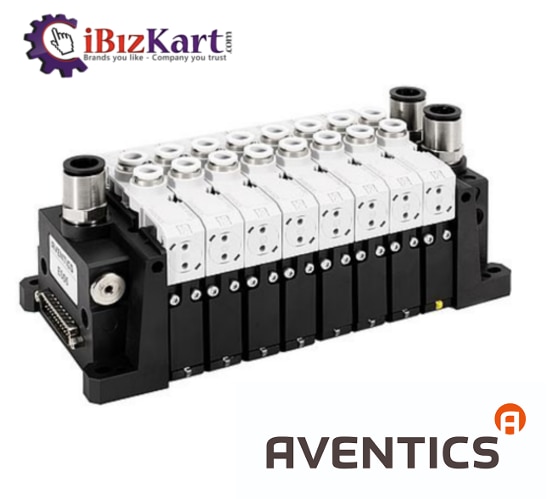
Aventics pneumatics products are number one in pneumatics India. We supply all Aventics pneumatic from Germany as we are leading distributor. Aventics mechanical and electronic pressure sensors and pressure switches for measuring compressed air and non-aggressive gases.
Aventics cylinders come in many varieties like Rodless cylinders, Rodless pneumatic cylinders, ISO cylinders, standard cylinders and guide cylinders. Round cylinders.
Pneumatic Aventics Valves for Modern Control and Automation Systems. Aventics single spool valves guarantee a flow rate performance capacity of 51 to 13000 l/min
We are Aventics authorize distributor and Aventics dealer in your city.


 Chat with us
 Chat with us