Bahrain
08048073443
+919880566644

Items tagged with 'brass pneumatic fittings industrial'

68179d65be22ee500d53ff54 Card 2

product image
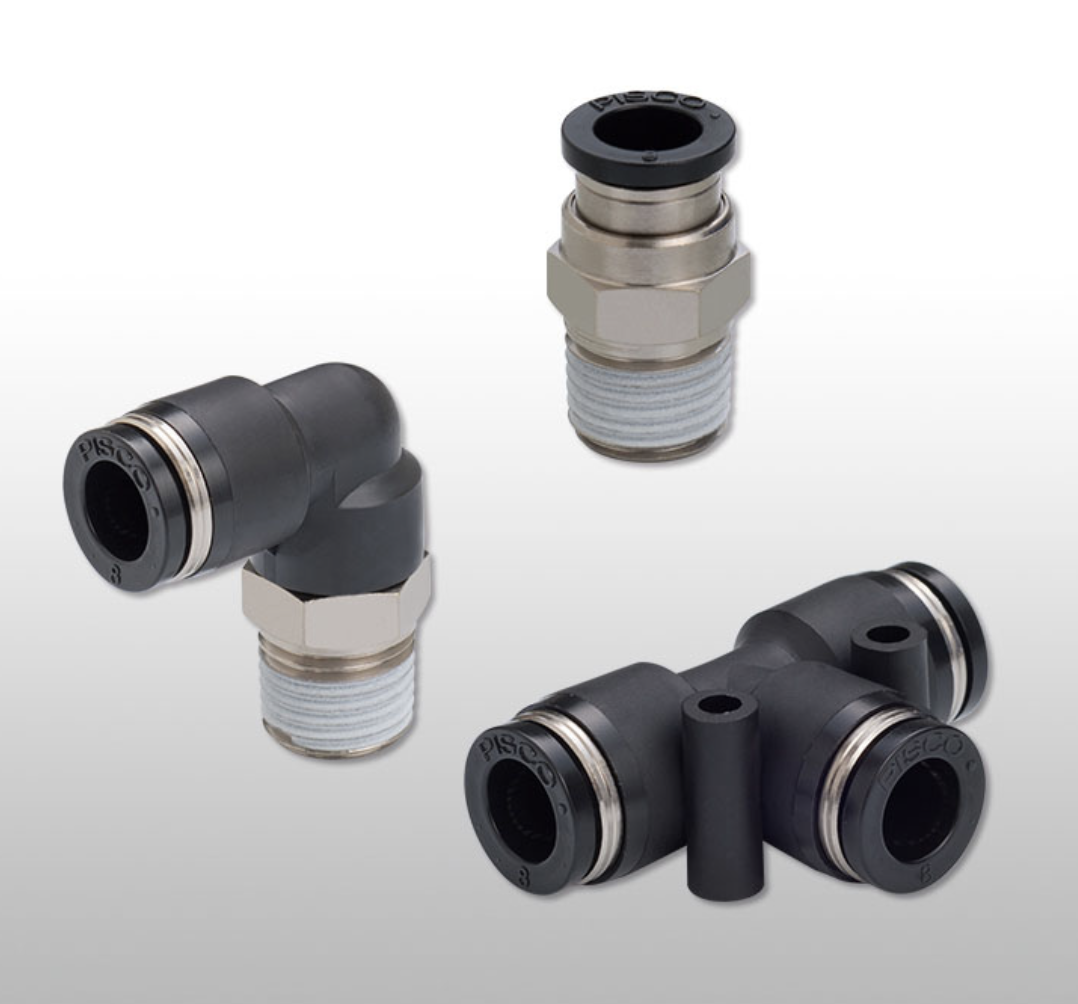
Pisco Pneumatic

PU Tube Fittings India Engineering Guide & Trusted Supplier Insights Introduction Polyurethane (PU) tube fittings are essential components in pneumatic and automation systems, enabling secure, leak-free connections between tubes, valves, and machinery. With their flexibility, durability, and chemical resistance, PU tube fittings are widely used in industries such as automotive, packaging, electronics, textiles, pharmaceuticals, and food processing. In India, engineers and procurement teams increasingly rely on trusted suppliers, dealers, distributors, and exporters for high-quality PU tube fittings to ensure smooth and reliable operations. IBK Engineers Pvt Ltd, Bangalore has been a leading provider of PU tube fittings, delivering technical expertise and a wide range of solutions for industrial applications. What are PU Tube Fittings? PU tube fittings are connectors designed for polyurethane pneumatic tubing. They allow fast, secure assembly and disassembly of pneumatic lines without the need for adhesives or welding. The fittings maintain air-tight seals under pressure, ensuring consistent performance in automation systems. Key advantages include: Quick installation and maintenance Reliable sealing to prevent leaks Compatibility with multiple tube diameters and pressure ranges High resistance to vibration and mechanical stress Materials & Properties Polyurethane tubing paired with compatible fittings offers unique engineering advantages: Flexibility: Easy routing in compact or complex pneumatic layouts Durability: High resistance to wear, abrasion, and repeated bending Chemical Resistance: Compatible with oils, lubricants, and mild chemicals Temperature Range: Suitable for most industrial environments (-20°C to +80°C) These properties make PU tube fittings ideal for high-speed pneumatic applications, packaging lines, and automated machinery. Types of PU Tube Fittings Engineers can select from a variety of fitting designs based on application needs: Straight Fittings: Connect tubes in a direct line for standard layouts Elbow Fittings: Change the direction of airflow in tight spaces Tee Fittings: Split air supply into multiple directions Reducer Fittings: Connect tubes of different diameters securely Swivel Fittings: Allow rotational movement without disconnecting tubes Each type ensures a secure, leak-proof connection while maintaining system efficiency. Selection Criteria for Engineers When choosing PU tube fittings, consider: Tube Diameter & Pressure Rating: Ensure compatibility with your pneumatic system Environmental Factors: Temperature, chemical exposure, and vibration levels Connection Type: Push-to-connect or threaded fittings for specific applications System Efficiency: Minimal leakage, ease of maintenance, and cycle reliability Careful selection ensures long-lasting performance and reduces operational downtime. Industries Using PU Tube Fittings in India Automotive: Pneumatic lines in assembly and material handling Electronics & PCB Manufacturing: Precise air flow for automation equipment Packaging & Food Processing: Reliable tubing for filling, capping, and labeling machines Textiles & Pharma: Pneumatic automation in production lines Logistics & Warehousing: Conveyor automation and sorting systems Why Choose IBK Engineers Pvt Ltd? As a trusted supplier, dealer, distributor, and exporter of PU tube fittings in India, IBK Engineers Pvt Ltd, Bangalore, provides: Wide product range: High-quality fittings for all industrial applications Technical expertise: Support for selecting the right tube and fitting combination Reliable sourcing & delivery: Domestic supply and export-ready solutions Industry experience: Proven track record in serving engineers and procurement teams across India Conclusion PU tube fittings are vital for efficient pneumatic and automation systems. Selecting the right fittings and a reliable supplier ensures leak-free connections, long-lasting performance, and reduced maintenance costs. For high-quality PU tube fittings in India, partner with IBK Engineers Pvt Ltd, Bangalore – your trusted supplier, distributor, dealer, and exporter for all pneumatic automation needs.

68179d65be22ee500d53ff54 Card 2

product image

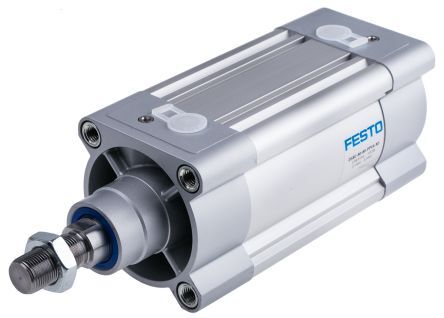
Festo pneumatic is top brand in India. Festo Supples wide verity of Festo cylinders and Festo valves. We stock Festo tubes and Festo fittings. Festo supples ISO cylinders can be replace with any brand during maintenance. Festo customer satisfaction and supporting automation through the most advanced pneumatic technologies.

68179d65be22ee500d53ff54 Card 2

product image
Pisco Pneumatic

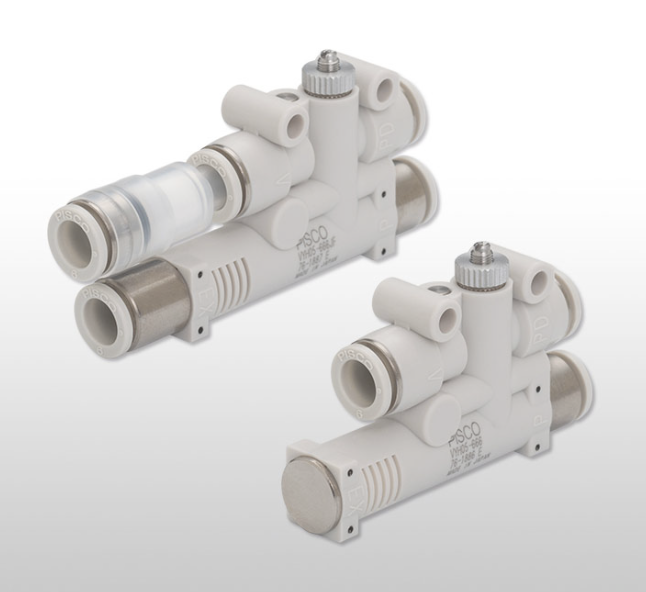
Vacuum Generators for Automation: A Complete Guide for Engineers Vacuum technology plays a vital role in modern automation, robotics, and material-handling systems. While vacuum suction cups are the visible gripping elements, the true driving force behind them is the vacuum generator. For engineers designing automated systems, understanding the types, performance factors, and integration of vacuum generators is essential for achieving reliable, efficient, and cost-effective solutions. This article provides a detailed EEAT-based guide to vacuum generators in automation, including their working principles, types, system components, and selection guidelines. 1. What is a Vacuum Generator? A vacuum generator is a device that creates negative pressure (vacuum) to enable suction-based gripping, lifting, and holding of workpieces. In automation, vacuum generators are integrated with suction cups, filters, tubing, and valves to form complete vacuum handling systems used across industries like: Automotive – sheet metal handling, windshield placement, and bumper assembly. Electronics – PCB handling, semiconductor wafers, and delicate components. Packaging – carton sealing, bag handling, and food-safe automation. Logistics – pick-and-place robotics for e-commerce and warehousing. 2. Types of Vacuum Generators Engineers have several options when selecting a vacuum source. Each type has unique advantages depending on application requirements. 2.1 Ejector-Based (Venturi) Vacuum Generators Working Principle: Uses compressed air through a venturi nozzle to create vacuum. Advantages: Compact, lightweight, low maintenance, fast response. Applications: Robotics, packaging, semiconductor handling. Considerations: Requires a reliable compressed air supply. 2.2 Vacuum Pumps Working Principle: Electrically driven pumps generate continuous vacuum. Advantages: High flow capacity, stable vacuum levels, energy-efficient for large systems. Applications: Automotive assembly, glass handling, woodworking. Considerations: Higher initial cost, requires regular maintenance. 2.3 Hybrid Systems Working Principle: Combine pumps with ejectors for specialized needs. Advantages: Flexibility, redundancy, optimized energy use. Applications: High-speed production lines with varied workpiece sizes. 3. Key Performance Factors for Engineers When selecting a vacuum generator, engineers should evaluate: Vacuum Level (kPa or inHg): Determines gripping strength. Flow Rate (L/min): Defines how quickly vacuum can be achieved. Response Time: Critical for high-speed pick-and-place automation. Energy Efficiency: Ejectors consume compressed air; pumps require electrical power. Noise & Heat Generation: Important for cleanrooms, labs, and operator safety. Maintenance Needs: Filters, seals, and moving parts must be serviced for long-term reliability. 4. Vacuum System Components A vacuum generator is only one part of the complete handling solution. For reliability, engineers must design systems with the following: Vacuum Suction Cups: Grip the workpiece (flat, bellows, oval types). Filters: Prevent dust, chips, or particles from reaching the generator. Tubing & Fittings: Ensure airtight connections and minimal leakage. Valves & Sensors: Provide control, feedback, and safety shut-offs. Manifolds: Distribute vacuum to multiple cups in synchronized systems. 5. Application Examples Electronics: Micro suction cups with ejector generators handle delicate wafers with minimal damage risk. Automotive: Centralized vacuum pump systems power multiple suction cups for handling large sheet metal panels. Food Industry: Hygienic vacuum generators paired with silicone suction cups ensure compliance with FDA and EU standards. 6. Best Practices for Engineers Match the generator type (ejector vs. pump) to production speed, part size, and available energy source. Always size the generator with margin for leakage and unexpected demand. Use inline filters close to suction cups for protection. Implement vacuum monitoring sensors for predictive maintenance and quality assurance. Consider modular vacuum systems for flexibility in future upgrades. 7. Conclusion Vacuum generators are the backbone of suction-based automation systems. By carefully selecting the right generator type, capacity, and system design, engineers can optimize efficiency, reduce downtime, and extend equipment life. Whether it’s compact ejector units for high-speed robotics or centralized vacuum pumps for heavy-duty handling, the right choice ensures smooth, reliable automation performance. Product details: vacuum generator, vacuum ejector, vacuum pump, automation gripping systems, pneumatic vacuum generator, Venturi vacuum ejector, vacuum handling automation, industrial vacuum systems.

68179d65be22ee500d53ff54 Card 2

product image
Misumi

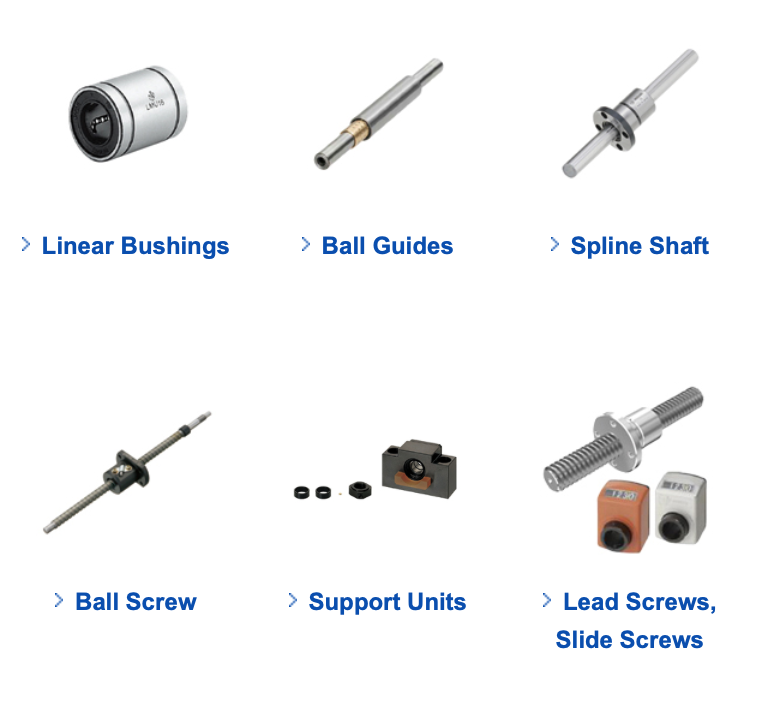
Misumi India is a subsidiary of Misumi Group Inc., a global manufacturer and distributor of industrial components, including mechanical components for automation, press die components, plastic mould components, cutting tools, and more. Misumi India provides a wide range of standardized and configurable components that can benefit various industries, including Aluminum Profiles, Aluminum Framing, LM Guides, LM Blocks, LM Shafts, Pneumatic Tubings, Pneumatic fittings, Swiych Hub, Senseres, automotive, electronics, medical devices, and more.

68179d65be22ee500d53ff54 Card 2

product image

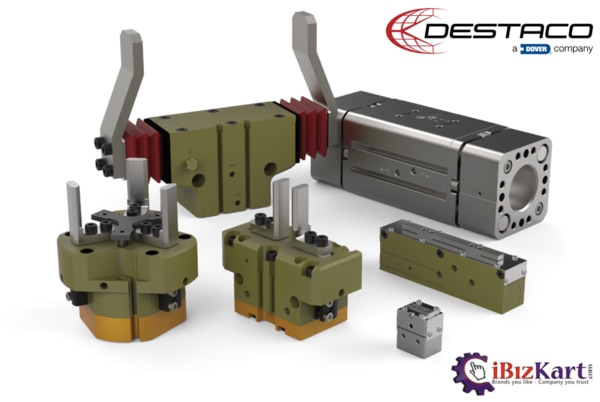
Parallel grippers is also called as Robohand name has come to represent the best in innovation, quality and reliability. Our products serve all industry including stainless steel grippers for food and beverage, miniature clean room products for pharmaceuticals and heavy duty material handling solutions for industrial robot automotive applications. This Gripper came in Parallel Pneumatic Grippers, Angular Pneumatic Gripper, Pneumatic Rotary Actuators, Electric parallel Grippers etc. Grippers comes with size from 1 inch to 15 inch and long parts up to 625. Gripper force capacity from 100 N to 1000N.

68179d65be22ee500d53ff54 Card 2

product image

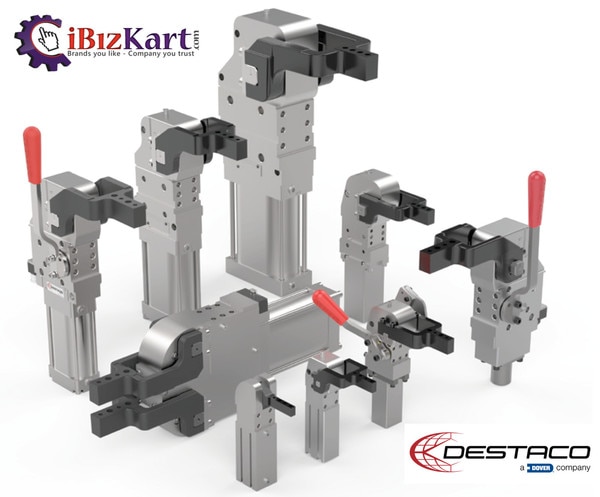
We supply all types Pneumatic Toggle Clamps, Pneumatic Swing Clamps, Pneumatic Power Clamps for industrial applications. Pneumatic Toggle Clamps range from heavy-duty sealed clamps for welding environments to compact light-duty clamps for a variety of clamping, gripping and locating applications. Pneumatic clamps work with compressed air cylinders and locking safety. The clamping devices are utilized for positioning and holding product securely, while the pivot units are intended to be utilized to tip, dump or rotate parts and tooling to the work position. Pneumatic toggle clamps come in all sizes and capacity. These clamps have been designed with superior reliability, durability, longevity, and precision, and are specifically intended for harsh welding environments that demand superior clamping power. Aerospace, Automotive, Food and Packaging, Robot automation industrial application used for Fixture and Testing, Welding, CNC Machining and Robot Jigs

68179d65be22ee500d53ff54 Card 2

product image
Pisco Pneumatic

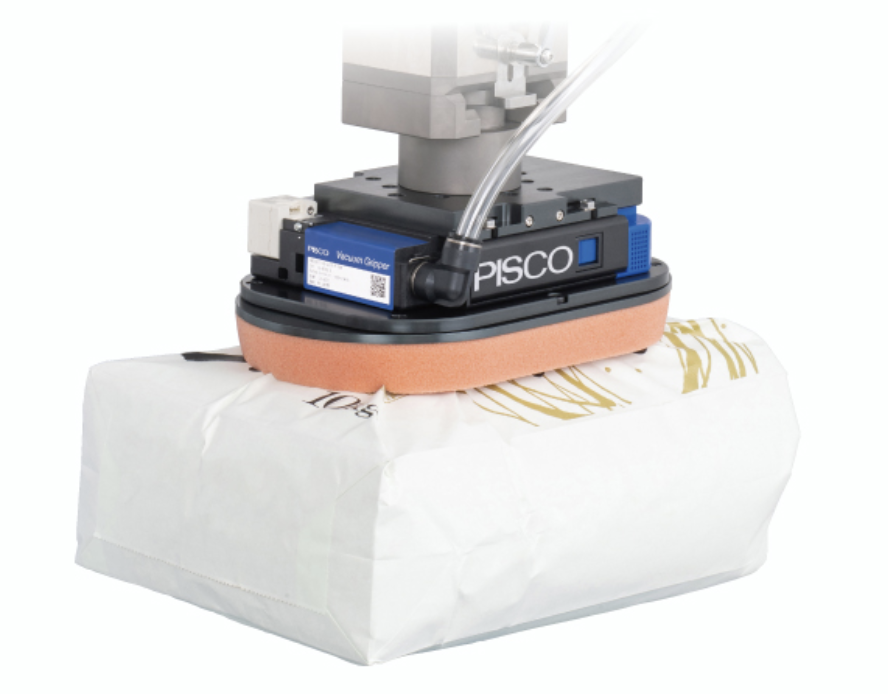
Vacuum Suction Pads for Robots: Material Properties, Designs, and System Integration for Engineers Vacuum suction pads are critical components in robotic automation systems. From robotic arms on automotive assembly lines to collaborative robots (cobots) in packaging and logistics, suction pads provide efficient, flexible, and reliable gripping solutions. For engineers, selecting the right vacuum suction pad for robots requires understanding material properties, pad geometry, and integration with the robotic vacuum system. The right choice can significantly improve precision, reduce cycle times, and extend system life. 1. Why Robots Use Vacuum Suction Pads Robotic vacuum gripping offers: Non-damaging handling – ideal for fragile items like glass or electronics. Versatility – suitable for objects with varying shapes and surfaces. High speed and accuracy – enabling fast pick-and-place automation. Reduced mechanical complexity – no need for mechanical grippers in many cases. By pairing the right pad material and design with the robotic task, engineers can maximize productivity and minimize downtime. 2. Suction Pad Materials and Applications 🔹 Nitrile Rubber (NBR) Strengths: Oil-resistant, reliable for standard applications. Temperature Range: -10°C to +70°C. Use Cases: General-purpose robotic handling in packaging, logistics, and machine tending. 🔹 Silicone Rubber (VMQ) Strengths: High heat resistance, FDA-compliant for food handling, flexible for uneven surfaces. Temperature Range: -30°C to +200°C. Use Cases: Food automation robots, pharmaceutical packaging, high-temperature applications. 🔹 Polyurethane (PU) Strengths: Durable, abrasion-resistant, excellent grip on rough or porous surfaces. Use Cases: Robotic systems handling wood, sheet metal, cartons, or abrasive parts. 🔹 Viton (FKM) Strengths: Outstanding resistance to chemicals, oils, and high heat. Temperature Range: -20°C to +200°C. Use Cases: Industrial robots in chemical plants, automotive painting, aerospace applications. 3. Suction Pad Designs for Robotic Applications Different robotic tasks require different suction pad geometries: 🔹 Flat Suction Pads Best for: Flat or slightly curved workpieces. Advantages: Fast cycle times, high stability, secure grip. Robotic Example: Pick-and-place robots for electronics or glass panels. 🔹 Bellows Suction Pads Best for: Uneven or delicate workpieces. Advantages: Height compensation, shock absorption, gentle gripping. Robotic Example: Cobots handling irregular plastics or fragile packaging. 🔹 Oval Suction Pads Best for: Long, narrow workpieces with limited gripping area. Advantages: Maximized contact, stable hold on strips or elongated parts. Robotic Example: Automotive robots handling bumpers, sheet metal, or extrusions. 4. System Integration: Beyond the Pad For reliable robotic vacuum gripping, engineers must design the complete vacuum system: Vacuum Generators: Pumps and ejectors that create negative pressure for suction. Vacuum Filters: Prevent contaminants from damaging generators and robotic actuators. Tubing and Fittings: Maintain airflow efficiency with minimal leakage. Control Valves & Sensors: Provide smart monitoring, feedback, and precise control of gripping force. Modern robotic systems often integrate vacuum sensors with PLC or cobot software, enabling intelligent grip detection and automated fault handling. 5. Engineering Takeaways Material Selection – Match pad material (NBR, VMQ, PU, FKM) to environment and workpiece. Design Choice – Use flat, bellows, or oval pads depending on geometry and fragility. System Integration – Ensure a complete setup with filters, generators, tubing, and sensors. Application Focus – Consider speed, durability, and surface type for optimal robotic performance. Vacuum suction pads for robots may look simple, but the right engineering choices make the difference between a smooth-running automation line and costly downtime. Product to target: vacuum suction pads for robots, robotic suction grippers, industrial robot vacuum pads, automation suction pads, robotic handling solutions, suction pad materials, bellows suction pads for robots, flat suction pads, oval suction pads, vacuum gripping systems.

68179d65be22ee500d53ff54 Card 2

product image

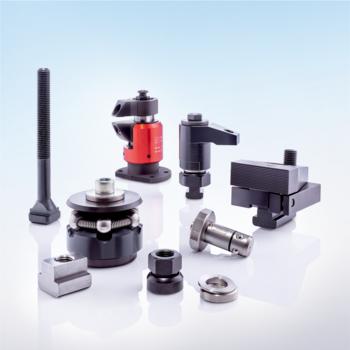
Here are some potential products related to Halder India as a brand that is frequently used. "Halder tools and equipment" "Halder clamping solutions" "Halder soft-faced hammers" "Halder torque wrenches" "Halder machine handles and knobs" "Halder industrial magnets and magnetic clamps" "Halder spring plungers and ball plungers" "Halder clamping elements and devices" "Halder lifting clamps and vacuum lifters" "Halder modular clamping systems" "Halder workpiece positioning and fixing equipment" "Halder toolholding systems and devices" "Halder toggle clamps and accessories" "Halder pneumatic clamps and devices" "Halder locating pins and bushings" "Halder adjustable clamping units" "Halder grip pliers and clamps" "Halder magnetic measuring instruments and gauges" "Halder hydraulic clamps and accessories" "Halder modular fixturing systems" Please note that these are only suggestions, and Halder's strategy may differ based on its target audience, competition, and other factors.

68179d65be22ee500d53ff54 Card 2

product image

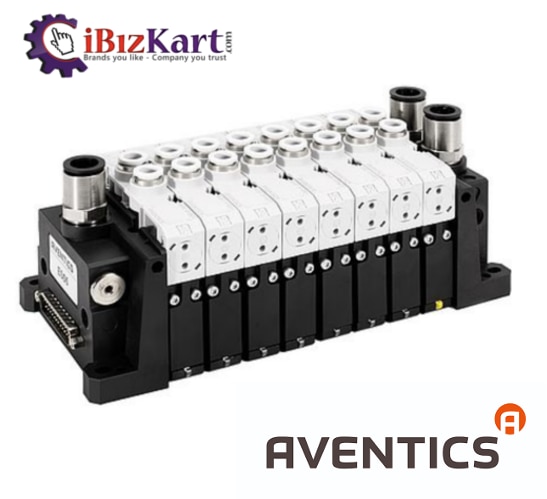
Aventics pneumatics products are number one in pneumatics India. We supply all Aventics pneumatic from Germany as we are leading distributor. Aventics mechanical and electronic pressure sensors and pressure switches for measuring compressed air and non-aggressive gases. Aventics cylinders come in many varieties like Rodless cylinders, Rodless pneumatic cylinders, ISO cylinders, standard cylinders and guide cylinders. Round cylinders. Pneumatic Aventics Valves for Modern Control and Automation Systems. Aventics single spool valves guarantee a flow rate performance capacity of 51 to 13000 l/min We are Aventics authorize distributor and Aventics dealer in your city.

Still searching for
brass pneumatic fittings industrial?