Thank you for writing to us. One of our executive will reach back to you through your submitted medium. In case there’s an urgency, feel free to connect over WhatsApp for faster response.
Prefer calling? Dial +9108048073443 (International callers) or 08048073443 (Indian callers).
Premium HIWIN-Ball Screws 4R40-40 – Precision Linear Motion Solutions at IBK Engineers
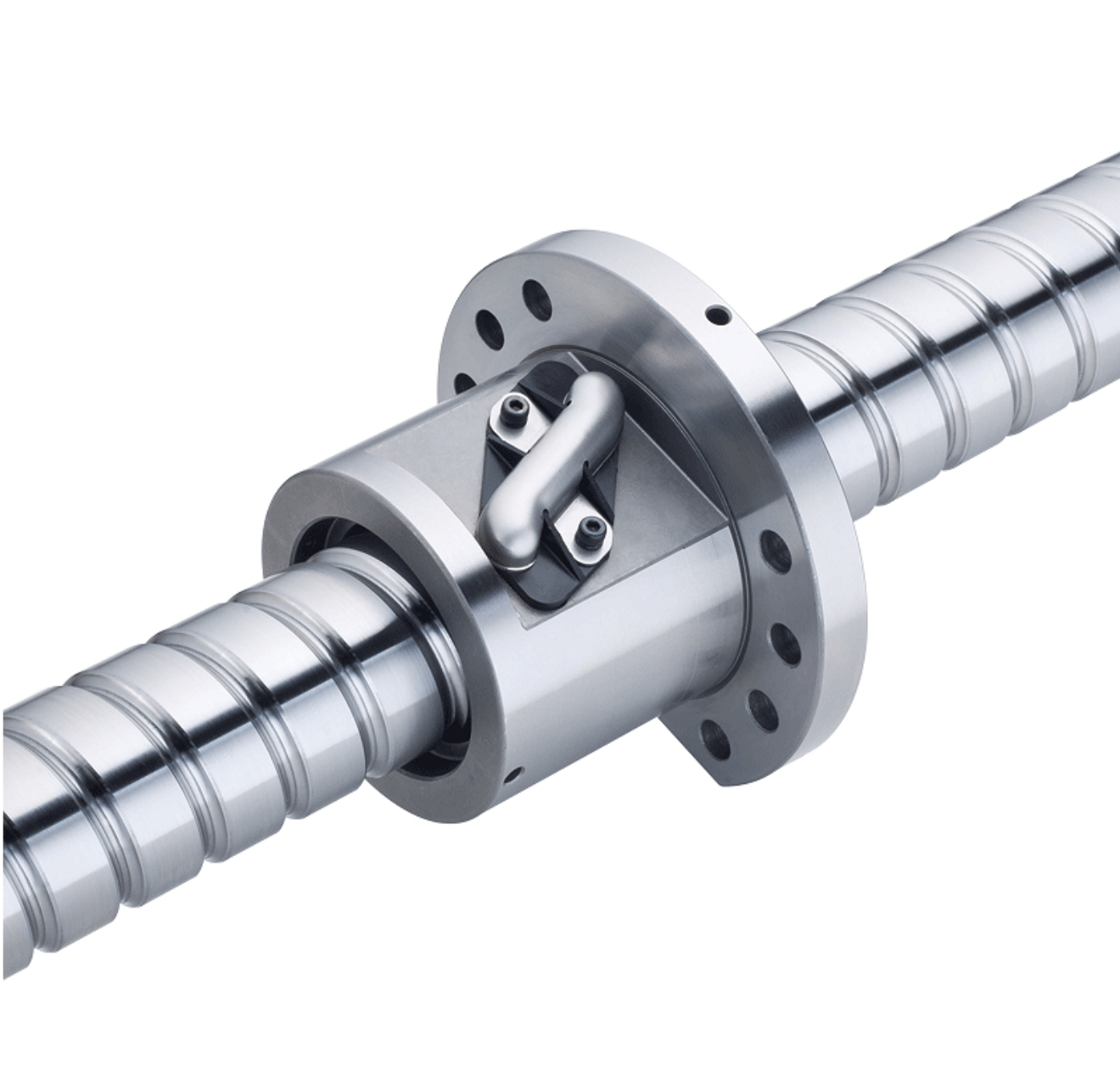
At IBK Engineers Pvt. Ltd., Bengaluru, we proudly stock genuine HIWIN-Ball Screws 4R40-40, the industry standard for high-performance linear motion systems in automation and precision machinery. As an authorized distributor of HIWIN products in India, IBK Engineers delivers quality, reliability and competitive pricing for manufacturers, OEMs and machine builders across sectors.
Hiwin Dealer
What Is the HIWIN-Ball Screw 4R40-40?
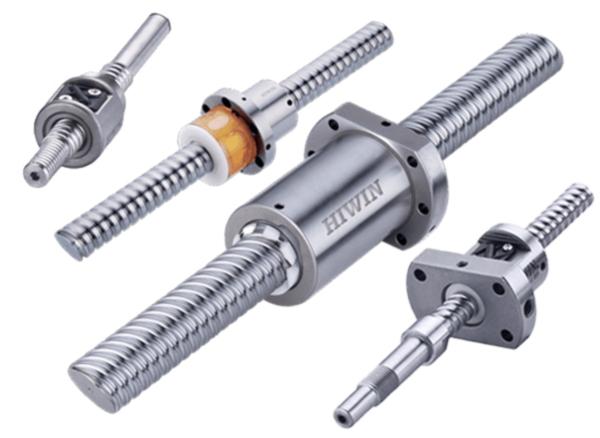
The HIWIN-Ball Screw 4R40-40 series represents a robust ball screw solution with a 40 mm diameter and 40 mm lead, engineered for efficient conversion of rotary motion into smooth and accurate linear movement. Ball screws like 4R40-40 feature recirculating ball bearings that reduce friction, extend service life, and ensure superior positioning precision compared to lead screws — making them ideal for CNC machines, robotics, industrial automation, semiconductor equipment, and more.
Hiwin Dealer
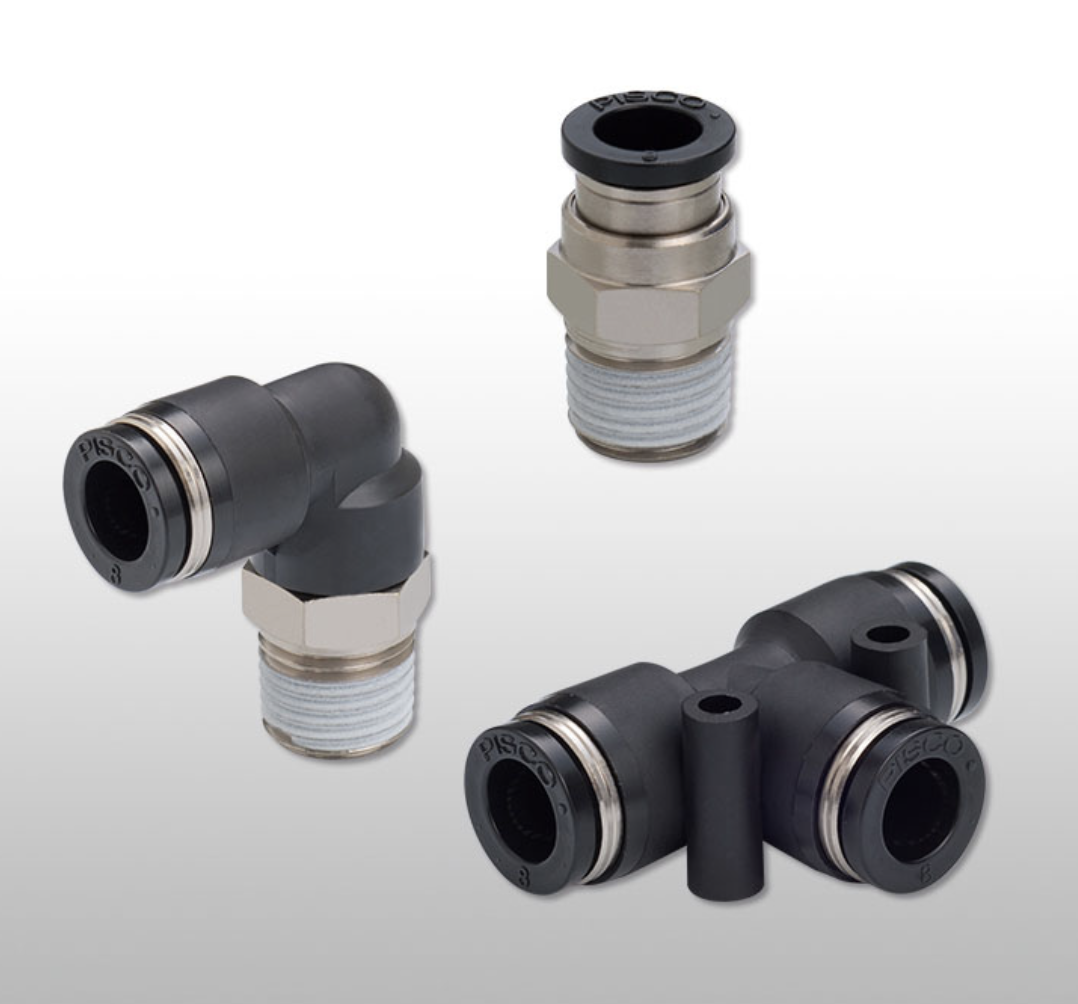
PU Tube Fittings India
Engineering Guide & Trusted Supplier Insights
Introduction
Polyurethane (PU) tube fittings are essential components in pneumatic and automation systems, enabling secure, leak-free connections between tubes, valves, and machinery. With their flexibility, durability, and chemical resistance, PU tube fittings are widely used in industries such as automotive, packaging, electronics, textiles, pharmaceuticals, and food processing.
In India, engineers and procurement teams increasingly rely on trusted suppliers, dealers, distributors, and exporters for high-quality PU tube fittings to ensure smooth and reliable operations. IBK Engineers Pvt Ltd, Bangalore has been a leading provider of PU tube fittings, delivering technical expertise and a wide range of solutions for industrial applications.
What are PU Tube Fittings?
PU tube fittings are connectors designed for polyurethane pneumatic tubing. They allow fast, secure assembly and disassembly of pneumatic lines without the need for adhesives or welding. The fittings maintain air-tight seals under pressure, ensuring consistent performance in automation systems.
Key advantages include:
Quick installation and maintenance
Reliable sealing to prevent leaks
Compatibility with multiple tube diameters and pressure ranges
High resistance to vibration and mechanical stress
Materials & Properties
Polyurethane tubing paired with compatible fittings offers unique engineering advantages:
Flexibility: Easy routing in compact or complex pneumatic layouts
Durability: High resistance to wear, abrasion, and repeated bending
Chemical Resistance: Compatible with oils, lubricants, and mild chemicals
Temperature Range: Suitable for most industrial environments (-20°C to +80°C)
These properties make PU tube fittings ideal for high-speed pneumatic applications, packaging lines, and automated machinery.
Types of PU Tube Fittings
Engineers can select from a variety of fitting designs based on application needs:
Straight Fittings: Connect tubes in a direct line for standard layouts
Elbow Fittings: Change the direction of airflow in tight spaces
Tee Fittings: Split air supply into multiple directions
Reducer Fittings: Connect tubes of different diameters securely
Swivel Fittings: Allow rotational movement without disconnecting tubes
Each type ensures a secure, leak-proof connection while maintaining system efficiency.
Selection Criteria for Engineers
When choosing PU tube fittings, consider:
Tube Diameter & Pressure Rating: Ensure compatibility with your pneumatic system
Environmental Factors: Temperature, chemical exposure, and vibration levels
Connection Type: Push-to-connect or threaded fittings for specific applications
System Efficiency: Minimal leakage, ease of maintenance, and cycle reliability
Careful selection ensures long-lasting performance and reduces operational downtime.
Industries Using PU Tube Fittings in India
Automotive: Pneumatic lines in assembly and material handling
Electronics & PCB Manufacturing: Precise air flow for automation equipment
Packaging & Food Processing: Reliable tubing for filling, capping, and labeling machines
Textiles & Pharma: Pneumatic automation in production lines
Logistics & Warehousing: Conveyor automation and sorting systems
Why Choose IBK Engineers Pvt Ltd?
As a trusted supplier, dealer, distributor, and exporter of PU tube fittings in India, IBK Engineers Pvt Ltd, Bangalore, provides:
Wide product range: High-quality fittings for all industrial applications
Technical expertise: Support for selecting the right tube and fitting combination
Reliable sourcing & delivery: Domestic supply and export-ready solutions
Industry experience: Proven track record in serving engineers and procurement teams across India
Conclusion
PU tube fittings are vital for efficient pneumatic and automation systems. Selecting the right fittings and a reliable supplier ensures leak-free connections, long-lasting performance, and reduced maintenance costs.
For high-quality PU tube fittings in India, partner with IBK Engineers Pvt Ltd, Bangalore – your trusted supplier, distributor, dealer, and exporter for all pneumatic automation needs.
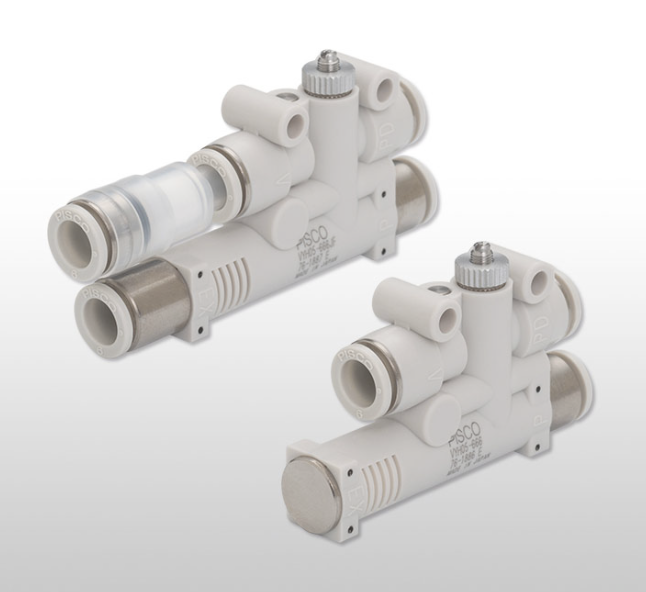
Vacuum Generators for Automation:
A Complete Guide for Engineers
Vacuum technology plays a vital role in modern automation, robotics, and material-handling systems. While vacuum suction cups are the visible gripping elements, the true driving force behind them is the vacuum generator. For engineers designing automated systems, understanding the types, performance factors, and integration of vacuum generators is essential for achieving reliable, efficient, and cost-effective solutions.
This article provides a detailed EEAT-based guide to vacuum generators in automation, including their working principles, types, system components, and selection guidelines.
1. What is a Vacuum Generator?
A vacuum generator is a device that creates negative pressure (vacuum) to enable suction-based gripping, lifting, and holding of workpieces. In automation, vacuum generators are integrated with suction cups, filters, tubing, and valves to form complete vacuum handling systems used across industries like:
Automotive – sheet metal handling, windshield placement, and bumper assembly.
Electronics – PCB handling, semiconductor wafers, and delicate components.
Packaging – carton sealing, bag handling, and food-safe automation.
Logistics – pick-and-place robotics for e-commerce and warehousing.
2. Types of Vacuum Generators
Engineers have several options when selecting a vacuum source. Each type has unique advantages depending on application requirements.
2.1 Ejector-Based (Venturi) Vacuum Generators
Working Principle: Uses compressed air through a venturi nozzle to create vacuum.
Advantages: Compact, lightweight, low maintenance, fast response.
Applications: Robotics, packaging, semiconductor handling.
Considerations: Requires a reliable compressed air supply.
2.2 Vacuum Pumps
Working Principle: Electrically driven pumps generate continuous vacuum.
Advantages: High flow capacity, stable vacuum levels, energy-efficient for large systems.
Applications: Automotive assembly, glass handling, woodworking.
Considerations: Higher initial cost, requires regular maintenance.
2.3 Hybrid Systems
Working Principle: Combine pumps with ejectors for specialized needs.
Advantages: Flexibility, redundancy, optimized energy use.
Applications: High-speed production lines with varied workpiece sizes.
3. Key Performance Factors for Engineers
When selecting a vacuum generator, engineers should evaluate:
Vacuum Level (kPa or inHg): Determines gripping strength.
Flow Rate (L/min): Defines how quickly vacuum can be achieved.
Response Time: Critical for high-speed pick-and-place automation.
Energy Efficiency: Ejectors consume compressed air; pumps require electrical power.
Noise & Heat Generation: Important for cleanrooms, labs, and operator safety.
Maintenance Needs: Filters, seals, and moving parts must be serviced for long-term reliability.
4. Vacuum System Components
A vacuum generator is only one part of the complete handling solution. For reliability, engineers must design systems with the following:
Vacuum Suction Cups: Grip the workpiece (flat, bellows, oval types).
Filters: Prevent dust, chips, or particles from reaching the generator.
Tubing & Fittings: Ensure airtight connections and minimal leakage.
Valves & Sensors: Provide control, feedback, and safety shut-offs.
Manifolds: Distribute vacuum to multiple cups in synchronized systems.
5. Application Examples
Electronics: Micro suction cups with ejector generators handle delicate wafers with minimal damage risk.
Automotive: Centralized vacuum pump systems power multiple suction cups for handling large sheet metal panels.
Food Industry: Hygienic vacuum generators paired with silicone suction cups ensure compliance with FDA and EU standards.
6. Best Practices for Engineers
Match the generator type (ejector vs. pump) to production speed, part size, and available energy source.
Always size the generator with margin for leakage and unexpected demand.
Use inline filters close to suction cups for protection.
Implement vacuum monitoring sensors for predictive maintenance and quality assurance.
Consider modular vacuum systems for flexibility in future upgrades.
7. Conclusion
Vacuum generators are the backbone of suction-based automation systems. By carefully selecting the right generator type, capacity, and system design, engineers can optimize efficiency, reduce downtime, and extend equipment life.
Whether it’s compact ejector units for high-speed robotics or centralized vacuum pumps for heavy-duty handling, the right choice ensures smooth, reliable automation performance.
Product details: vacuum generator, vacuum ejector, vacuum pump, automation gripping systems, pneumatic vacuum generator, Venturi vacuum ejector, vacuum handling automation, industrial vacuum systems.
Weidmüller provides a wide range of high-quality electrical connectivity and automation solutions through authorized dealers across India. Whether you are looking for reliable components or innovative automation systems, you can easily find Weidmüller products at a dealer near you. Explore our comprehensive portfolio, including terminal blocks, connectors, power supplies, and more, to meet your industrial needs with local support and expert service
Your Trusted MISUMI Supplier, Dealer, and Stockist in India
Looking for high-quality industrial components? We provide a wide range of MISUMI standard and configurable industrial components. As a trusted MISUMI supplier in India, we offer a comprehensive selection of mechanical components, electronics, tools, MRO supplies, press die parts, and plastic mold products. Whether you need precision-engineered parts or customized solutions, we ensure fast delivery and excellent service to meet your industrial needs.
Unveiling Precision and Efficiency: A Comprehensive Guide to Hiwin LM Guides
In the dynamic landscape of industrial machinery and automation, precision is paramount. Enter Hiwin LM Guides, a cutting-edge solution that revolutionizes linear motion control. In this in-depth exploration, we delve into the world of Hiwin LM Guides, uncovering their features, applications, benefits, and the unparalleled precision they bring to various industries.
Introduction to Hiwin LM Guides
What Sets Hiwin Apart?
Hiwin Corporation, a global leader in motion control and system technology, stands out for its commitment to excellence. The Hiwin LM Guides epitomize this commitment, offering a range of linear motion solutions that redefine precision and reliability in the industrial landscape.
Understanding LM Guides
Hiwin LM Guides are advanced linear motion systems designed to facilitate smooth and precise movement along a predefined path. These guides consist of rails and carriages, integrating cutting-edge technology to minimize friction, enhance accuracy, and withstand varying loads.
Key Features of Hiwin LM Guides
1. Precision Engineering
At the core of Hiwin LM Guides is precision engineering. These guides are meticulously crafted to provide exceptional accuracy in linear motion, making them ideal for applications where precision is non-negotiable.
2. Diverse Range
Hiwin caters to a broad spectrum of industrial needs with a diverse range of LM Guides. From miniature guides for intricate applications to heavy-duty guides for robust machinery, the product lineup addresses a multitude of requirements.
3. Load Capacity Variability
Versatility is a hallmark of Hiwin LM Guides. With varying load capacities, these guides are tailored to handle a wide range of loads, ensuring optimal performance across different industries and applications.
4. Rigidity and Stability
Hiwin understands the importance of stability in industrial operations. LM Guides from Hiwin are engineered for high rigidity, providing stability crucial for improved machining accuracy and overall system performance.
5. Advanced Sealing and Lubrication
Protection against environmental factors is essential for prolonged component life. Hiwin LM Guides often come equipped with advanced sealing mechanisms, safeguarding against contaminants. Additionally, efficient lubrication systems contribute to smooth operation and increased longevity.
Applications of Hiwin LM Guides
In the World of CNC Machinery
Hiwin LM Guides find extensive applications in CNC (Computer Numerical Control) machinery. The precision and stability they offer are indispensable for achieving intricate cuts and shapes with high accuracy in various materials.
Automation and Robotics
As automation continues to evolve, the demand for reliable linear motion components rises. Hiwin LM Guides play a pivotal role in automation and robotics, ensuring precise and controlled movement in various robotic applications.
Semiconductor Manufacturing
The semiconductor industry demands precision at the microscopic level. Hiwin LM Guides, with their precision engineering, contribute significantly to the manufacturing processes in this sector, enhancing overall efficiency.
Medical Devices
In the medical field, where precision is a matter of life and death, Hiwin LM Guides find applications in medical devices. From diagnostic equipment to robotic-assisted surgery, these guides ensure accuracy and reliability.
Benefits of Choosing Hiwin LM Guides
1. Unmatched Precision
Hiwin is synonymous with precision, and their LM Guides live up to this reputation. Choosing Hiwin means opting for unparalleled precision in linear motion control.
2. Durability for Demanding Environments
Industrial environments can be harsh, but Hiwin LM Guides are built to endure. Their robust construction and advanced sealing make them suitable for demanding conditions.
3. Increased Efficiency
With the stability and accuracy provided by Hiwin LM Guides, machinery and systems operate more efficiently, contributing to enhanced productivity across industries.
4. Cost-Effective Solutions
While precision engineering often comes at a cost, Hiwin strikes a balance. The cost-effectiveness of their LM Guides makes them a preferred choice for businesses seeking quality within budget constraints.
5. Global Support and Expertise
Hiwin's global presence ensures that customers not only get top-notch products but also benefit from extensive support and expertise. This global network adds value to the overall customer experience.
Choosing the Right Hiwin LM Guide
Factors to Consider
When selecting a Hiwin LM Guide, several factors come into play:
Load Capacity: Consider the load your application requires the LM Guide to handle.
Precision Requirements: Different applications demand varying levels of precision. Choose a guide that aligns with your specific needs.
Precision in Motion: A Comprehensive Guide to Hiwin Ball Screws
In the realm of industrial machinery, where precision is paramount, Hiwin Ball Screws emerge as a game-changer. In this extensive guide, we navigate through the intricacies of Hiwin Ball Screws, uncovering their features, applications, benefits, and the unparalleled precision they bring to various industries.
Introduction to Hiwin Ball Screws
Pioneering Precision with Hiwin
Hiwin Corporation has earned its reputation as a global leader in motion control and system technology. At the heart of their precision solutions lies the Hiwin Ball Screw—a crucial component that transforms rotational motion into precise linear motion. Let's delve into the core features that set Hiwin Ball Screws apart.
Key Features of Hiwin Ball Screws
1. Precision Ground and Rolled Options
Hiwin offers both precision ground and rolled ball screws. The precision ground screws are crafted with meticulous precision, making them ideal for applications demanding high accuracy. On the other hand, rolled ball screws provide cost-effective solutions without compromising on performance.
2. High Load Capacity
One of the defining features of Hiwin Ball Screws is their exceptional load-bearing capacity. Whether it's a heavy-duty industrial application or a precision-centric task, Hiwin Ball Screws are engineered to handle diverse loads with ease.
3. Efficiency in Motion
Hiwin Ball Screws are designed for efficiency. The smooth and precise motion they deliver is essential in applications where accuracy is non-negotiable. This efficiency translates to improved overall system performance.
4. Diversity in Design
To cater to a wide range of applications, Hiwin offers various designs of ball screws. Whether it's a miniature ball screw for compact spaces or a large-diameter screw for heavy-duty tasks, the diversity in design ensures a suitable solution for every need.
5. Customization Options
Understanding that each industrial application has unique requirements, Hiwin provides customization options for their ball screws. Tailoring the screws to specific needs ensures optimal performance in varied scenarios.
Applications of Hiwin Ball Screws
Precision in CNC Machining
CNC machining demands precision at every turn and Hiwin Ball Screws deliver exactly that. The smooth and accurate linear motion they provide is instrumental in achieving intricate cuts and shapes with unparalleled precision.
Robotics and Automation
In the world of robotics and automation, where precise movement is the key to success, Hiwin Ball Screws play a pivotal role. They ensure the robotic arms and automated systems move with accuracy, contributing to the efficiency of the entire process.
Aerospace Engineering
In the aerospace industry, where precision and reliability are paramount, Hiwin Ball Screws find applications in various components and systems. From control surfaces to landing gear, these screws contribute to the overall safety and performance of aerospace machinery.
Medical Devices and Imaging Equipment
The medical field relies heavily on precision, especially in imaging equipment and medical devices. Hiwin Ball Screws are integrated into these systems to ensure accurate movement, contributing to the diagnostic precision required in healthcare.
Benefits of Choosing Hiwin Ball Screws
1. Unparalleled Precision
Precision is the hallmark of Hiwin Ball Screws. Choosing these screws means opting for accuracy that meets and exceeds industry standards, ensuring reliable performance in critical applications.
2. Durability in Demanding Environments
Industrial environments can be harsh, but Hiwin Ball Screws are built to withstand the challenges. Their robust construction and advanced materials make them durable even in the most demanding conditions.
3. Enhanced Efficiency
With the efficiency delivered by Hiwin Ball Screws, machinery and systems operate at peak performance. This enhanced efficiency translates to increased productivity and cost-effectiveness for businesses.
4. Global Recognition and Support
Hiwin's global presence ensures that customers not only receive top-notch products but also benefit from extensive support and expertise. This global network adds value to the overall customer experience.
Choosing the Right Hiwin Ball Screw
Factors to Consider
When selecting a Hiwin Ball Screw for your application, several factors come into play:
Load Requirements: Consider the load-bearing capacity your application demands.
Precision Needs: Different applications have varying precision requirements. Choose a ball screw that aligns with your specific needs.
Speed and Efficiency: Assess the speed and efficiency needed for your application and choose a ball screw that meets these requirements.
Budgetary Constraints: While Hiwin provides high-quality solutions, it's essential to align your choice with budget constraints.
Unlocking Precision and Performance: A Comprehensive Dive into LM Guide Blocks
Welcome to an in-depth exploration of LM Guide Blocks, precision-engineered components that redefine linear motion control in industrial machinery and automation. In this comprehensive guide, we uncover the intricacies of LM Guide Blocks, shedding light on their features, applications, benefits, and the pivotal role they play in various industries.
Introduction to LM Guide Blocks
The Essence of LM Guide Blocks
LM Guide Blocks are fundamental components in linear motion systems, designed to facilitate smooth and precise movement along a predetermined path. Comprising blocks and rails, these components integrate cutting-edge technology to minimize friction, enhance accuracy, and withstand diverse loads.
Understanding LM Guide Blocks
At the core of industrial precision lies LM Guide Blocks. These blocks, meticulously engineered with precision and durability in mind, serve as the cornerstone of many advanced machinery and automation systems.
Key Features of LM Guide Blocks
1. Precision Engineering
LM Guide Blocks epitomize precision. Engineered with meticulous attention to detail, they offer unparalleled accuracy in linear motion, making them indispensable for applications requiring precision.
2. Diverse Range
The versatility of LM Guide Blocks is remarkable. Available in various sizes, load capacities, and designs, they cater to a wide spectrum of industrial needs, from miniature blocks for delicate applications to heavy-duty blocks for robust machinery.
3. Load Capacity Variability
Adaptability is a key feature. LM Guide Blocks come in a range of load capacities, ensuring optimal performance across different industries and applications, regardless of the load requirements.
4. Rigidity and Stability
Stability is paramount in industrial operations. LM Guide Blocks are engineered to provide high rigidity, contributing significantly to improved machining accuracy and overall system stability.
5. Advanced Sealing and Lubrication
Protection against environmental factors is critical. LM Guide Blocks often come equipped with advanced sealing mechanisms, guarding against contaminants. Efficient lubrication systems ensure smooth operation and increased longevity.
Applications of LM Guide Blocks
In CNC Machinery
The precision and stability offered by LM Guide Blocks find extensive applications in CNC machinery. They play a pivotal role in achieving intricate cuts and shapes with high accuracy across various materials.
Automation and Robotics
As automation continues to evolve, the demand for reliable linear motion components rises. LM Guide Blocks ensure precise and controlled movement in robotics and automation, facilitating efficient operations.
Semiconductor Manufacturing
The semiconductor industry demands precision at the microscopic level. LM Guide Blocks contribute significantly to the manufacturing processes in this sector, ensuring accuracy and efficiency.
Medical Devices
In the medical field, precision is paramount. LM Guide Blocks find applications in medical devices, from diagnostic equipment to robotic-assisted surgery, ensuring accuracy and reliability.
Benefits of LM Guide Blocks
1. Unparalleled Precision
LM Guide Blocks are synonymous with precision. Choosing these blocks means opting for unmatched accuracy in linear motion control.
2. Durability for Demanding Environments
Industrial environments can be harsh, but LM Guide Blocks are built to endure. Their robust construction and advanced sealing make them suitable for demanding conditions.
3. Increased Efficiency
Stability and accuracy contribute to operational efficiency. LM Guide Blocks ensure machinery and systems operate more efficiently, enhancing overall productivity.
4. Cost-Effective Solutions
While precision engineering often comes at a cost, LM Guide Blocks strike a balance. They offer high-quality solutions that align with budget constraints.
5. Global Support and Expertise
Manufacturers offer global support and expertise. This network adds value to the overall customer experience, providing assistance and guidance where needed.
Choosing the Right LM Guide Block
Factors to Consider
When selecting LM Guide Blocks, consider factors like load capacity, precision requirements, environmental conditions, and budget constraints. Aligning these factors ensures the optimal choice for your specific needs.
Conclusion
In the realm of linear motion control, LM Guide Blocks stand as a testament to precision, reliability, and innovation. Whether in CNC machinery, automation, semiconductor manufacturing, or medical devices, these blocks elevate performance and efficiency.
As industries evolve, the demand for precise linear motion solutions will intensify. LM Guide Blocks, with their precision engineering and adaptability, are poised to remain at the forefront, driving progress across diverse sectors.
In conclusion, choosing LM Guide Blocks is not just a selection
Vacuum Suction Pads for Robots: Material Properties, Designs, and System Integration for Engineers
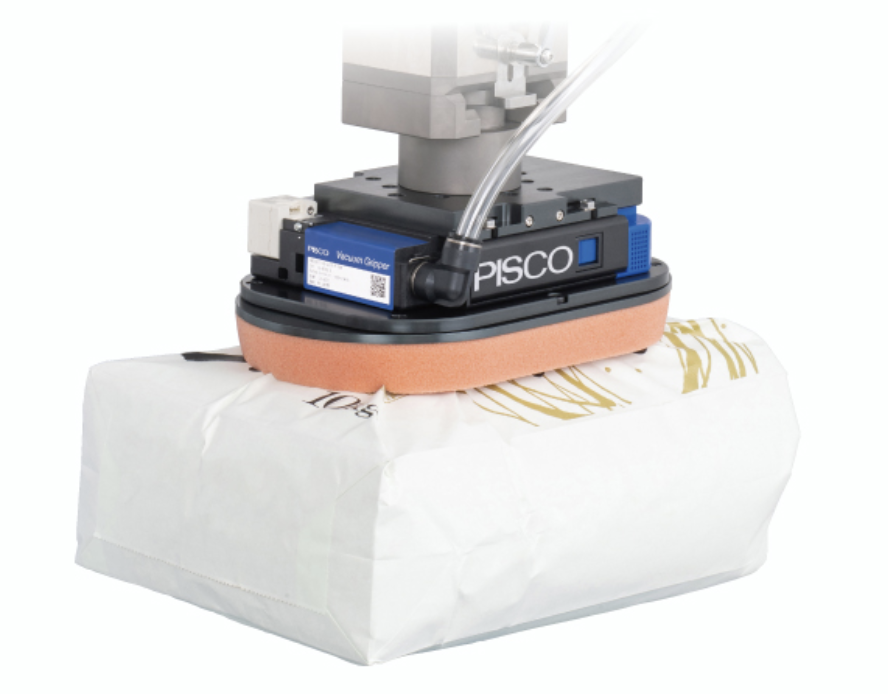
Vacuum suction pads are critical components in robotic automation systems. From robotic arms on automotive assembly lines to collaborative robots (cobots) in packaging and logistics, suction pads provide efficient, flexible, and reliable gripping solutions.
For engineers, selecting the right vacuum suction pad for robots requires understanding material properties, pad geometry, and integration with the robotic vacuum system. The right choice can significantly improve precision, reduce cycle times, and extend system life.
1. Why Robots Use Vacuum Suction Pads
Robotic vacuum gripping offers:
Non-damaging handling – ideal for fragile items like glass or electronics.
Versatility – suitable for objects with varying shapes and surfaces.
High speed and accuracy – enabling fast pick-and-place automation.
Reduced mechanical complexity – no need for mechanical grippers in many cases.
By pairing the right pad material and design with the robotic task, engineers can maximize productivity and minimize downtime.
2. Suction Pad Materials and Applications
🔹 Nitrile Rubber (NBR)
Strengths: Oil-resistant, reliable for standard applications.
Temperature Range: -10°C to +70°C.
Use Cases: General-purpose robotic handling in packaging, logistics, and machine tending.
🔹 Silicone Rubber (VMQ)
Strengths: High heat resistance, FDA-compliant for food handling, flexible for uneven surfaces.
Temperature Range: -30°C to +200°C.
Use Cases: Food automation robots, pharmaceutical packaging, high-temperature applications.
🔹 Polyurethane (PU)
Strengths: Durable, abrasion-resistant, excellent grip on rough or porous surfaces.
Use Cases: Robotic systems handling wood, sheet metal, cartons, or abrasive parts.
🔹 Viton (FKM)
Strengths: Outstanding resistance to chemicals, oils, and high heat.
Temperature Range: -20°C to +200°C.
Use Cases: Industrial robots in chemical plants, automotive painting, aerospace applications.
3. Suction Pad Designs for Robotic Applications
Different robotic tasks require different suction pad geometries:
🔹 Flat Suction Pads
Best for: Flat or slightly curved workpieces.
Advantages: Fast cycle times, high stability, secure grip.
Robotic Example: Pick-and-place robots for electronics or glass panels.
🔹 Bellows Suction Pads
Best for: Uneven or delicate workpieces.
Advantages: Height compensation, shock absorption, gentle gripping.
Robotic Example: Cobots handling irregular plastics or fragile packaging.
🔹 Oval Suction Pads
Best for: Long, narrow workpieces with limited gripping area.
Advantages: Maximized contact, stable hold on strips or elongated parts.
Robotic Example: Automotive robots handling bumpers, sheet metal, or extrusions.
4. System Integration: Beyond the Pad
For reliable robotic vacuum gripping, engineers must design the complete vacuum system:
Vacuum Generators: Pumps and ejectors that create negative pressure for suction.
Vacuum Filters: Prevent contaminants from damaging generators and robotic actuators.
Tubing and Fittings: Maintain airflow efficiency with minimal leakage.
Control Valves & Sensors: Provide smart monitoring, feedback, and precise control of gripping force.
Modern robotic systems often integrate vacuum sensors with PLC or cobot software, enabling intelligent grip detection and automated fault handling.
5. Engineering Takeaways
Material Selection – Match pad material (NBR, VMQ, PU, FKM) to environment and workpiece.
Design Choice – Use flat, bellows, or oval pads depending on geometry and fragility.
System Integration – Ensure a complete setup with filters, generators, tubing, and sensors.
Application Focus – Consider speed, durability, and surface type for optimal robotic performance.
Vacuum suction pads for robots may look simple, but the right engineering choices make the difference between a smooth-running automation line and costly downtime.
Product to target: vacuum suction pads for robots, robotic suction grippers, industrial robot vacuum pads, automation suction pads, robotic handling solutions, suction pad materials, bellows suction pads for robots, flat suction pads, oval suction pads, vacuum gripping systems.

 Chat with us
 Chat with us